

Billionaire George Soros tosses well-monied hat into Brexit ring
As he pushes for second referendum, suggestion that wealthy philanthropist is engaged in ‘secret plot’ to stop UK leaving EU provokes charges of anti-Semitic slurs
 Add ToI as a Preferred Source on Google
Robert Philpot is a writer and journalist. He is the former editor of Progress magazine and the author of “Margaret Thatcher: The Honorary Jew.”
LONDON — Two years after Britain voted to leave the European Union, and just under 10 months before it is scheduled to formally do so, the battle over Brexit is raging more fiercely than ever.
Negotiations between Prime Minister Theresa May’s government and the EU over the terms of the United Kingdom’s divorce and its future relationship with the trading bloc have stalled. There is a series of knife-edge votes in the British parliament due next week.
In this climate, a new warrior has entered the fray.
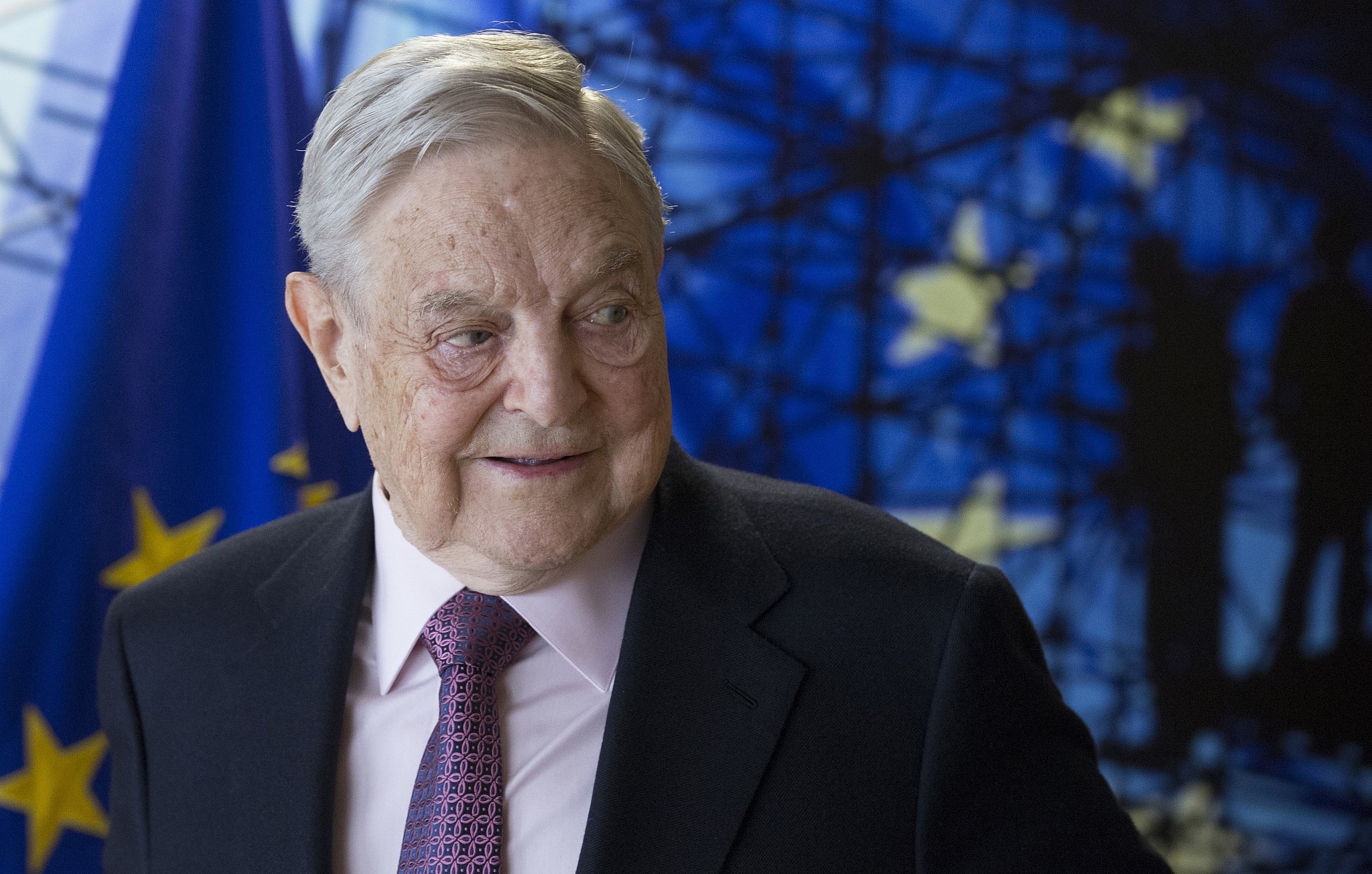
Last week, George Soros, the billionaire financier and philanthropist, fired the starting gun on a fresh effort to stage a second referendum and thus halt Britain’s departure from the EU.
The bête noire of right-wing populists throughout Europe and the United States, Soros’s involvement has sparked anger among hardline “Brexiteers” and allegations of anti-Semitic slurs.
Soros’s Open Society Foundation is bankrolling Best for Britain, reportedly providing £800,000 ($1.06m) of the £2.3m ($3.09m) the anti-Brexit group has raised for a nationwide campaign which commences this weekend.
The organization is focused on persuading parliament to give Britons a final choice on any agreement between May and Brussels about Britain’s continued membership of the EU.
Its message is being driven home by newspaper and billboard advertisements asking, “When will we know what we voted for? We all deserve a final say on the Brexit deal.”
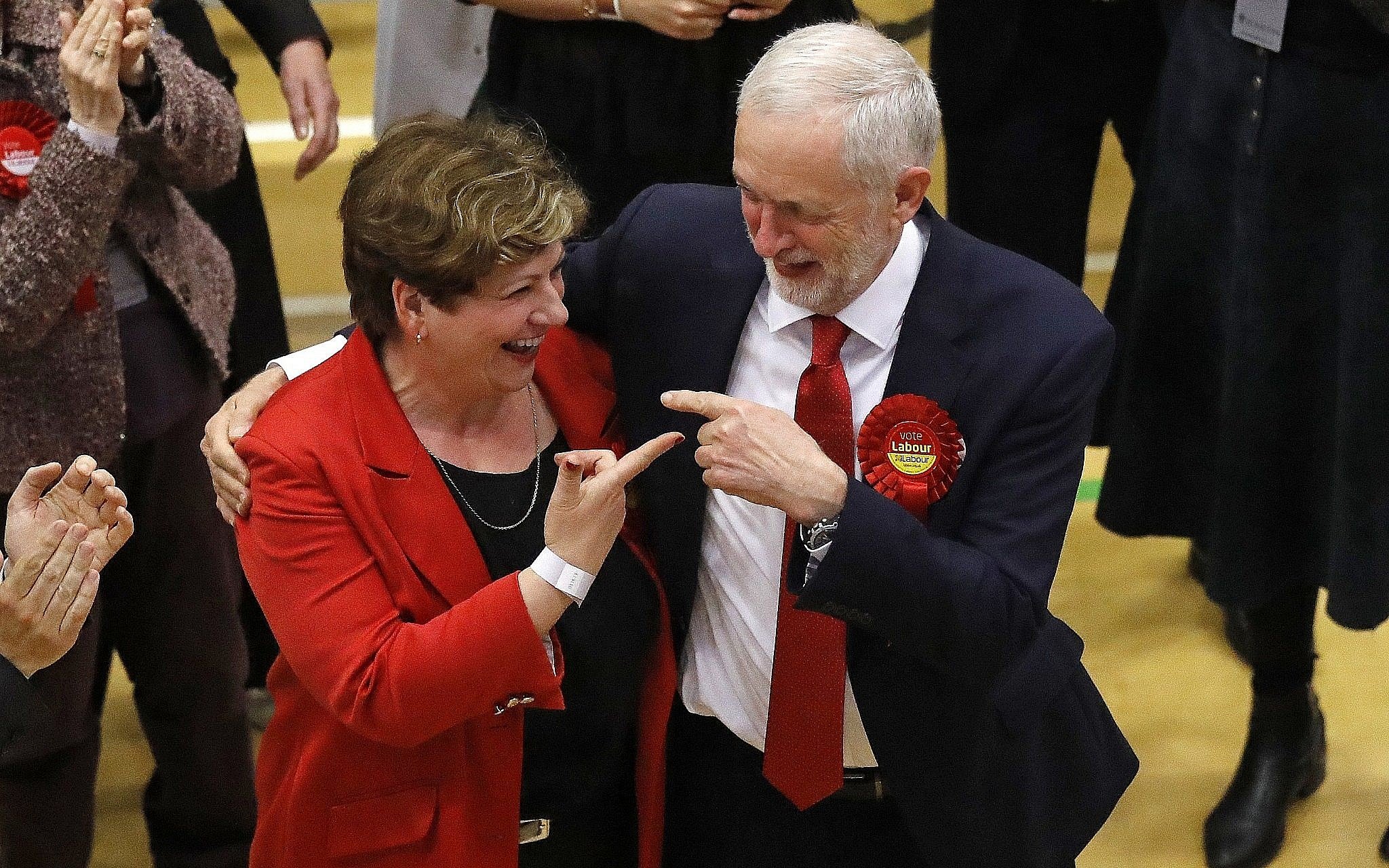
The effort is a long shot. May has adamantly rejected any further public votes and Jeremy Corbyn, the leader of the opposition Labour party, has also opposed a second poll.
However, the prime minister’s political authority is much diminished since she lost the Conservative’s parliamentary majority in last year’s general election, and her cabinet is badly split in the face of the seemingly intractable talks with the EU.
Rebellions among pro-EU Tory backbenchers are expected to add to May’s difficulties when her government’s battered legislation to ease Britain’s withdrawal from Europe returns to the House of Commons next week. It has already suffered a series of defeats in the House of Lords.
Corbyn, meanwhile, is under mounting internal pressure to reverse his position and back a second vote after the Brexit negotiations conclude in December. If he does so, the parliamentary arithmetic will become increasingly tricky for the prime minister, given the number of potential Conservative rebels.
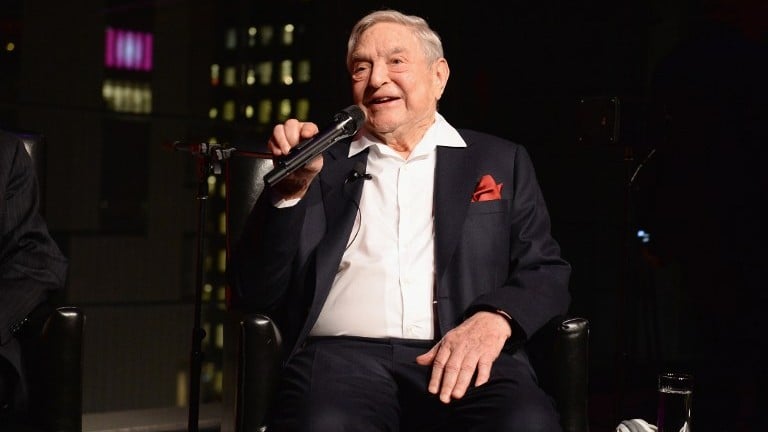
Soros followed the announcement of the campaign with a widely reported speech last week delivered in Paris.
“Brexit is an immensely damaging process, harmful to both sides,” he argued. “Divorce will be a long process, probably taking more than five years. Five years is an eternity in politics, especially in revolutionary times like the present.
“Ultimately, it’s up to the British people to decide what they want to do. It would be better, however, if they came to a decision sooner rather than later. That’s the goal of an initiative called the Best for Britain, which I support.”
Soros also launched a thinly veiled attack on Germany, saying that its “addiction to austerity” has been an electoral boon for anti-EU populist politicians across the continent.
“As a result, many young people today regard the EU as an enemy that has deprived them of jobs and a secure and promising future,” he suggested.
But Soros’s role has provoked a fierce backlash among Brexit’s most dogged advocates. They fear that with mounting economic uncertainty and warnings of a “Doomsday” scenario if the UK fails to strike a deal with the EU, Britons may vote to reverse their decision to leave in any second referendum.
Not big in Britain
When Soros’s initial donations to Best for Britain were first reported earlier this year, the pro-Conservative Daily Telegraph ran a front page splash under the headline “Man who ‘broke the Bank of England’ backing secret plot to thwart Brexit.”
Soros is infamous in Britain for making an estimated £1bn ($1.34bn) betting against or “shorting” the pound on “Black Wednesday” – the day in September 1992 when the UK crashed out of the European exchange rate mechanism – which cost the Treasury billions of its reserves.
It was, however, the Daily Telegraph’s suggestion that Soros, who had made no attempt to conceal his donations or their purpose, was involved in a “secret plot” which provoked accusations of anti-Semitism — and a storm of criticism that the paper was deploying traditional tropes of shadowy Jewish political influence.
That the main Daily Telegraph article was co-authored by Nick Timothy, May’s former chief of staff, simply fueled the row. Timothy suggested the “accusations and insinuations” against him were “as absurd as they are offensive.”
An accompanying profile in the paper described the Hungarian-born, US-based billionaire as “a rich gambler who is accused of meddling in nations’ affairs.”
Alastair Campbell, who served as director of communications for former prime minister Tony Blair, said on Twitter that the Daily Telegraph should be “ashamed.” Campbell claimed it was echoing the tactics of Viktor Orbán’s Hungarian government, while Rob Ford, a politics academic at the University of Manchester, suggested it was “weaponizing the far right’s favorite conspiracy theory.”
“A modicum of cultural awareness and a glancing acquaintance with old Jew-hatred and its modern iterations would have alerted a half-decent editor to the signal being sent by that front page,” argued the Guardian’s political commentator, Rafael Behr. “In case there is no such person at the Telegraph to decrypt that signal let me spell it out for them. It was this: shadowy Jew-financier conspires against Britain.”
The Telegraph, which even critics of the story concede is not anti-Semitic, is not alone in its attacks on Soros. In another front page splash, the right-wing Daily Mail last week accused the “foreign billionaire” of being engaged in a “plot to subvert Brexit.”
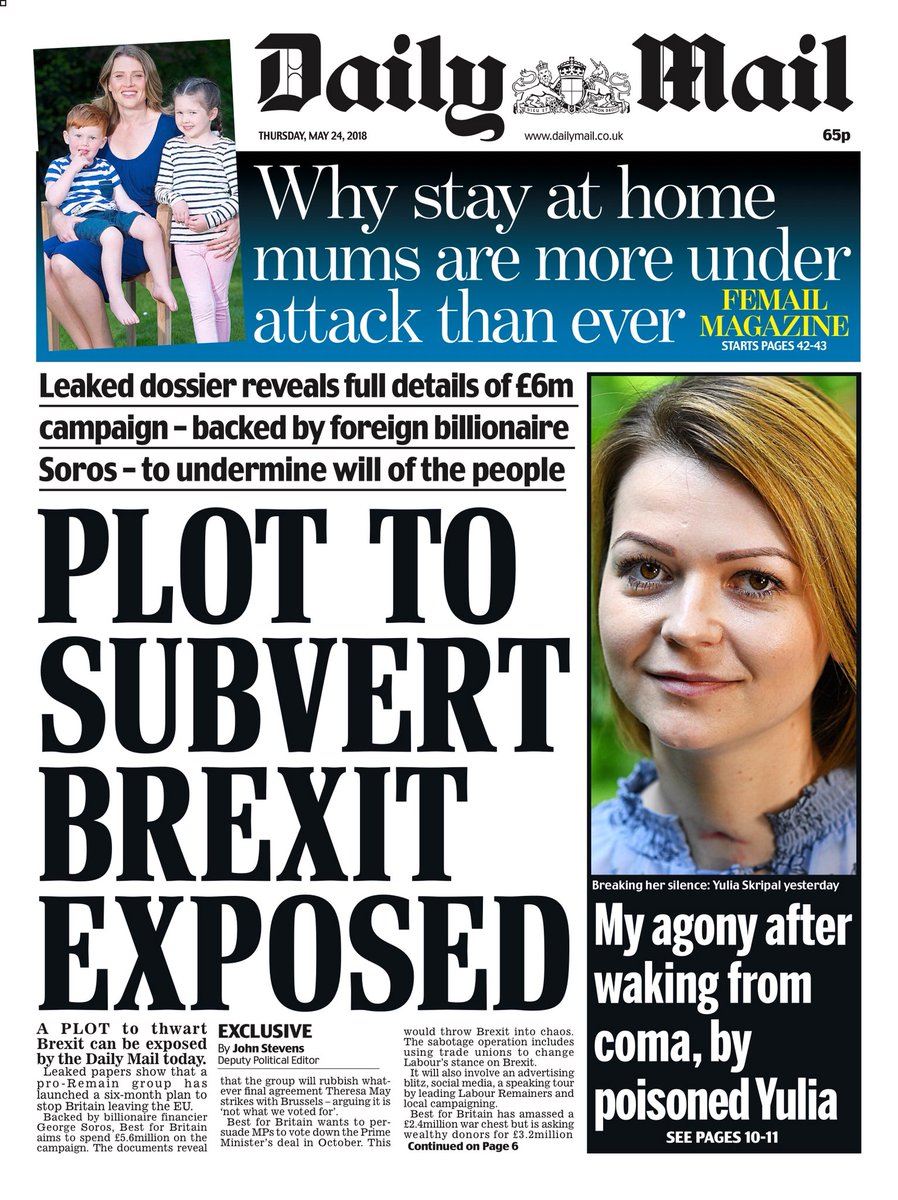
More nefariously, the pro-Brexit Leave.EU group has detailed the Open Society Foundation’s activities under the headline “the Soros web” and Tweeted images of pro-EU politicians as puppets with the Jewish billionaire pulling the strings.
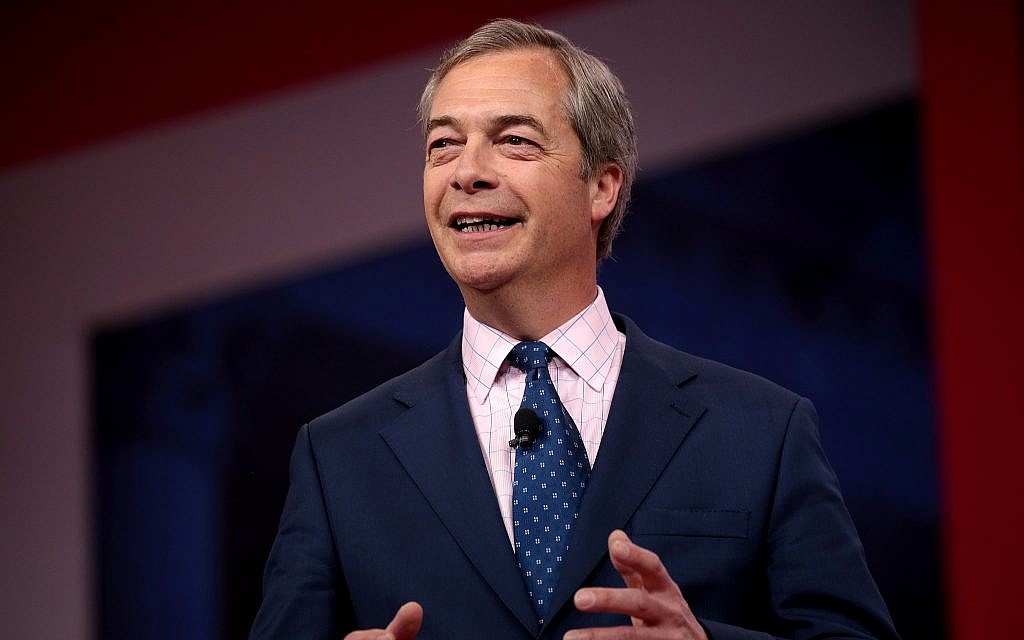
The charge against Soros has been led by Nigel Farage, the former leader of the United Kingdom Independence party (Ukip) and the EU’s most high-profile opponent in Britain.
Farage – or “Mr. Brexit” as Donald Trump admiringly calls him – last year endorsed Marine Le Pen’s French presidential bid and campaigned for the far right in Germany.
Last week, he mocked Soros’s support for a second referendum, arguing: “If you and your friends among the international business and political elites force it upon us, well, then we’ll have to beat you again and this time by a much bigger margin.”
Brushing aside allegations of Kremlin interference in the EU referendum, Farage has also called for an investigation into “the extent to which George Soros’s Open Society has attempted to change the political climate, not just in Britain, but [the] entire Western world.”
He has previously accused Soros of spending “billions in the EU to undermine the nation state.” This, Farage charged, “is where the real international political collusion is.”
Line of defense
Perhaps more remarkable than the right-wing criticism of Soros has been the concerted effort to defend him.
Best for Britain utilized the Daily Mail’s recent attacks on Soros to launch an online fundraising drive which elicited nearly £70,000 ($94,000) in 10 days from small donors.
A similar campaign by the group in February, again explicitly tied to the assault on the billionaire, also provoked a surge of donations from the public.
Others have angrily assailed Soros’s critics. When Farage wrote to several members of the European parliament (to which all EU states directly elect representatives) and demanded they provide details of their relationship with the Open Society Foundation, one Labour politician offered a fiery response.
Accusing the former Ukip leader of peddling an “absurd conspiracy theory … hitherto found only on far-right blogs,” London MEP Seb Dance replied: “Not only does repeating such self-evidently made-up nonsense make you look absurd, it confirms that there really are no depths to which you will not stoop, nor no lie too vile for you to repeat.”
And not all of the press has followed the lead of the Daily Mail and the Daily Telegraph.
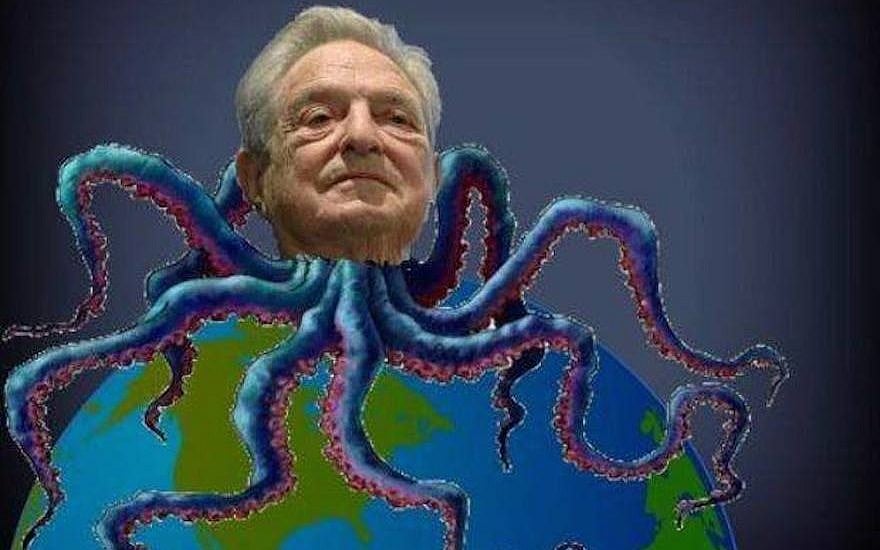
Labeling him a man “we should all admire,” the Independent’s columnist, Matthew Norman, wrote that Soros’s survival in Nazi-occupied Budapest was “a symbol of the human spirit at its indestructible finest, and of the comforting notion that out of evil emerges some good.”
“For spending the greater part of [his fortune] on promoting the values of tolerance and humanity from which he benefited, his reward is to be depicted as a sneaky, malevolent Jew bent on subverting democracy and choking freedom out of the free world with his octopus tentacles,” Norman argued.
Throughout all of this, Soros has appeared utterly unfazed.
“I am happy to take the fight to those who have tried to use a smear campaign, not arguments, to prop up their failing case,” he told the Guardian amid the row in February when his initial donation to Best for Britain was reported.
And then, for good measure, he announced he was giving an additional £100,000 to the pressure group.







The Times of Israel Community.