

After holy site shuttered, lawmaker defends bill to confiscate ex-church land
Rachel Azaria reassures churches that their land ‘remains theirs’ after Christian leaders close Jerusalem’s Holy Sepulchre indefinitely in protest at legislative, financial moves
 Add ToI as a Preferred Source on Google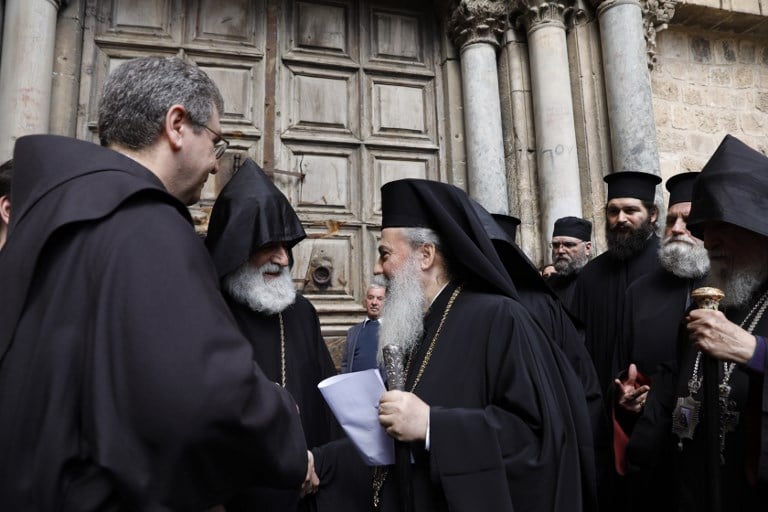
Knesset lawmaker Rachel Azaria tried to reassure angry church leaders Sunday that a bill enabling the state to seize church land sold to private entrepreneurs was aimed at realtors and not clergy.
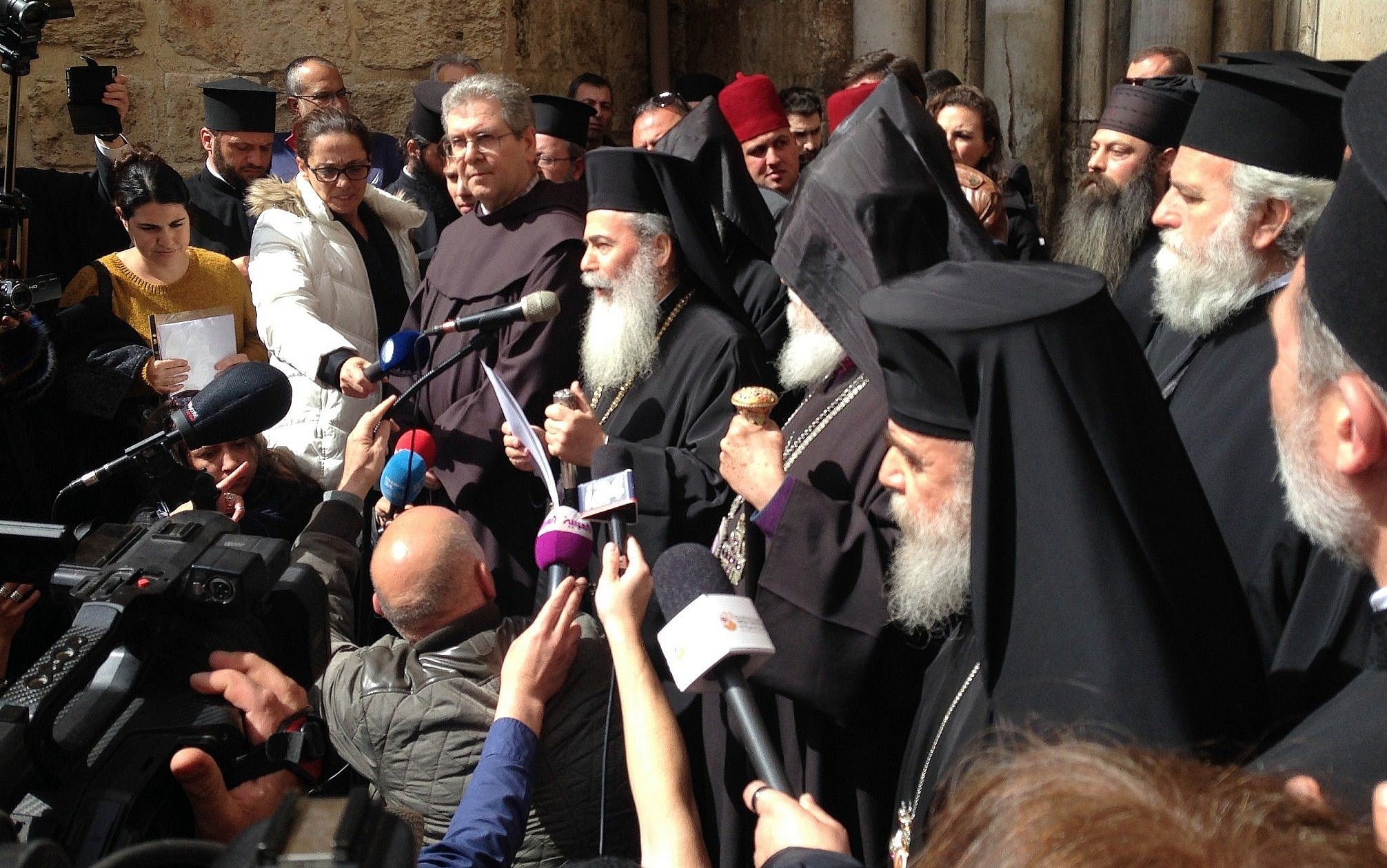
She spoke after church leaders announced Sunday morning that they were locking the doors of the Holy Sepulchre Church in Jerusalem until further notice in protest at the Knesset’s Constitution, Law and Justice Committee’s plan to discuss and probably push through Azaria’s bill. They were also demonstrating against a campaign by Jerusalem to collect years of back taxes.
The bill, if passed into law, will allow the state to retroactively confiscate land that the churches have sold to private investors since 2010 and to pay the new owners compensation.
“I understand that the church is under pressure, but their lands remain theirs and nobody is trying to touch them,” she said in a statement.
“My bill deals with what happens after the rights to the land are sold to a third party.”
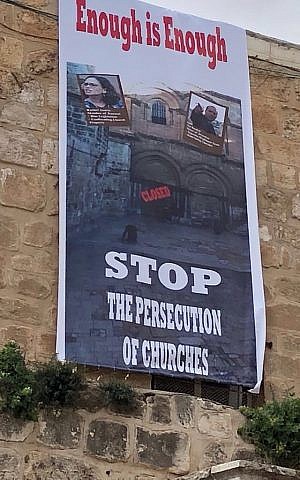
Azaria has said in the past that her bill — signed by 61 MKs and supported by the justice and foreign ministries — aims to protect hundreds of mainly Jerusalem residents whose homes are located on land which, until recently, was owned and leased to them by the churches, principally the Greek Orthodox Church — in most cases under 99-year contracts signed in the 1950s between the church and the state, via the Jewish National Fund.
The contracts state that when the leases run out, any buildings on them will revert back to the church.
Residents expected that the leases would be extended.
But in recent years, in order to erase massive debts, the Greek Orthodox Church has sold vast areas of real estate to private investors, and nobody knows whether they will renew the leases, and if so, under what conditions.
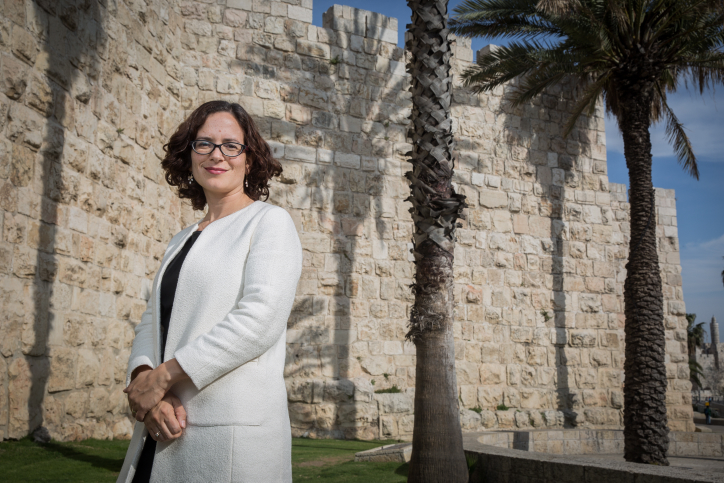
Addressing media reports about attempts by real estate agents claiming to represent the new landowners and offering private lease extensions to homeowners, Azaria said Sunday, “It cannot be that entrepreneurs will move from door to door and threaten homeowners that they have to pay between NIS 200,000 and NIS 500,000 ($57,500 to $145,000).
“The low amounts for which whole neighborhoods were sold makes it clear to everyone that this is a speculative transaction,” she said. “In such a situation, the Patriarchate is not relevant to the issue because it is land that was sold to private entrepreneurs.”
Opponents of the Greek Orthodox patriarch have accused him of selling off land at rock bottom prices.
In the Jerusalem neighborhood of Givat Oranim, for example, the land under some 240 apartments, as well as a large shopping center, was sold for just $5 million — a sum that included property taxes as well. In coastal Jaffa, six dunams (1.5 acres) of commercial land was sold for a mere $2 million, a fraction of its market value.
Church insiders have insisted that the land prices were brought down by the long periods that the new owners will have to wait until they can reap any reward because of existing leases that still have 52 years to run in Givat Oranim and 90 years in Jaffa.
Sunday’s shuttering of the Holy Sepulchre Church — the climax of any visit to the Holy Land for Christian pilgrims and tourists — also came in protest over moves by the Jerusalem Municipality to charge the churches millions of shekels for what the city claims are unpaid city taxes.
A decades-long agreement between the churches and the state has prevented the municipality from collecting property tax from Christian institutions.
However, the city recently decided, citing the legal opinion of Gabriel Hallevy, whom it described as an international law expert, that the exemption for churches applies only to properties used “for prayer, for the teaching of religion or for needs arising from that.”
Responding to the Greek patriarch’s comments Sunday about the city’s “scandalous collection notices” and “orders of seizure of Church assets, properties and bank accounts,” Jerusalem Mayor Nir Barkat said the taxes would only be collected on properties where the church runs businesses.
“The Church of the Holy Sepulchre, like other places of worship owned by all churches, are exempt from property tax — that is not changing and will continue,” he said.
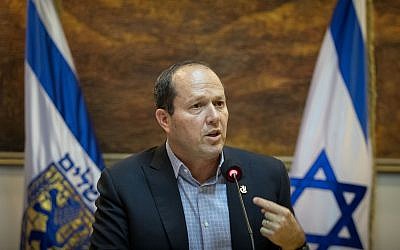
“But does it sound logical to anyone that commercial properties such as hotels, halls and businesses will be exempt just because they are owned by churches?” he added in a statement. “Why should the [Jewish-owned] Mamilla Hotel pay property tax, while the adjacent [Catholic] Notre Dame hotel is exempt?”
The statement continued that the Jerusalem Municipality had a “good and respectful” relationship with all churches in the city, and would “continue caring for their needs and preserving their full freedom of worship.”
However, it said, “we will not accept the reality that only in Jerusalem, hotels, halls and businesses are exempt from property tax just because they are owned by churches — in contrast to Tel Aviv and Haifa, for instance, where tax property is collected from the churches’ commercial estates.”
The Palestinian Authority responded to the Church of the Holy Sepulchre’s closure by linking it to the United States’ announcement that it would move its embassy to Jerusalem in May.
“It’s time for [US] President [Donald] Trump and his administration to realize the consequences of their encouragement for the Israeli policies of occupation and exclusivity in Jerusalem,” Palestine Liberation Organization head Saeb Erekat said after the churches’ decision was announced.
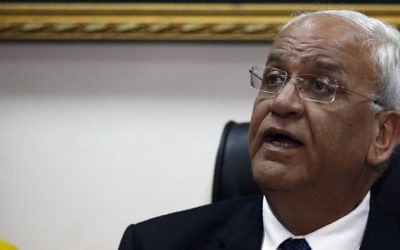
“The dramatic reality of the Palestinian people in Jerusalem, and particularly of our churches, should be a reminder of the need to end the Israeli occupation,” Erekat was quoted as saying on the Twitter page of the PLO’s negotiations department.







The Times of Israel Community.