

 From the Liveblog of
Sunday, June 21, 2026
From the Liveblog of
Sunday, June 21, 2026
High Court: Knesset must explain why state comptroller vote should not be annulled
 Add ToI as a Preferred Source on Google
Sam Sokol is a former political correspondent at The Times of Israel. He was previously a reporter for the Jerusalem Post, Jewish Telegraphic Agency and Haaretz. He is the author of "Putin’s Hybrid War and the Jews"
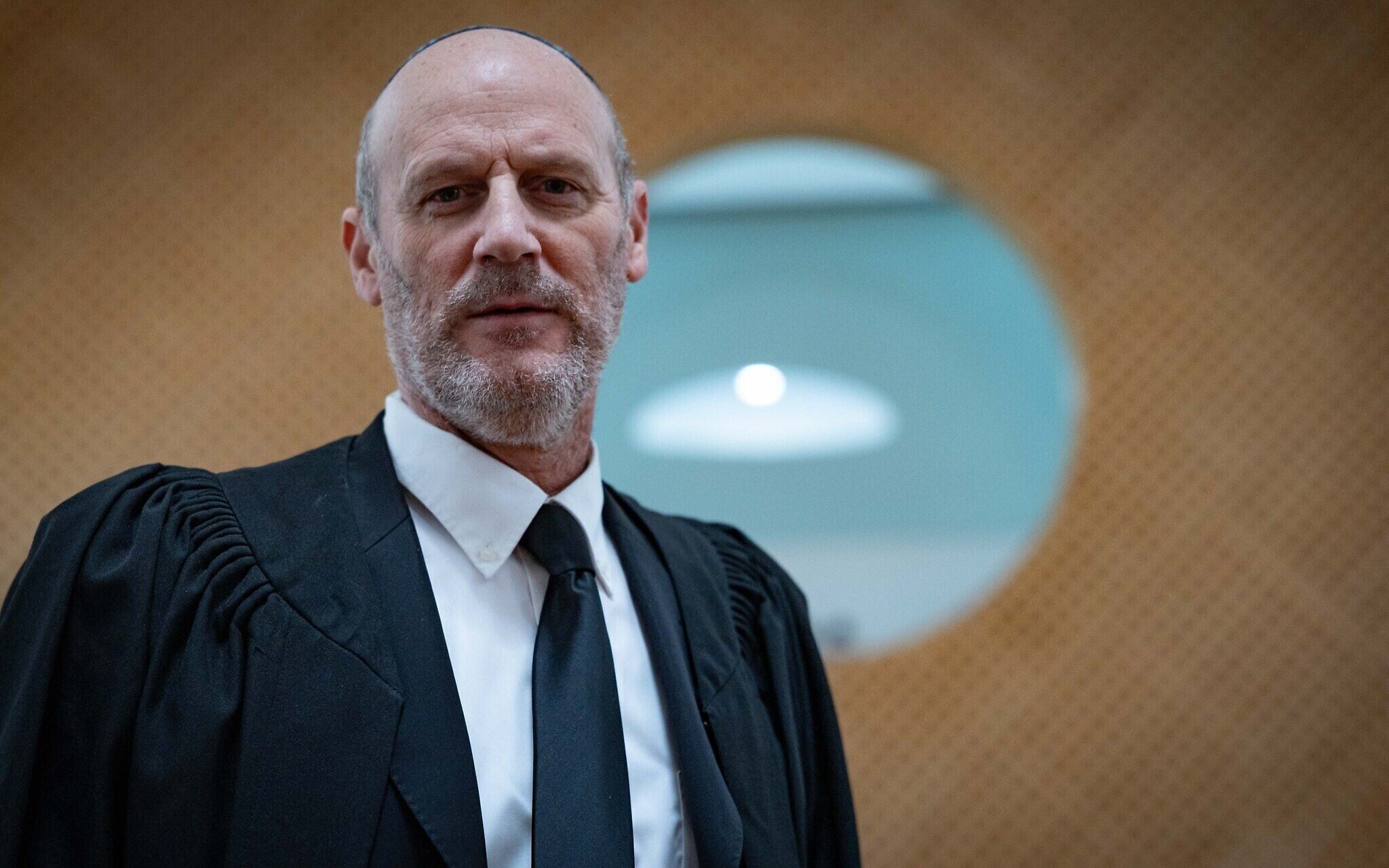
The High Court of Justice announces that a panel of five justices will convene for a hearing on the controversial June 3 vote for the new state comptroller. It does so after Knesset Speaker Amir Ohana rejected its recommendation that lawmakers redo the vote.
The Knesset, Likud, and the prime minister will have to explain “why the election… should not be annulled, in light of the allegation regarding the violation of the secrecy of the vote,” the justices write.
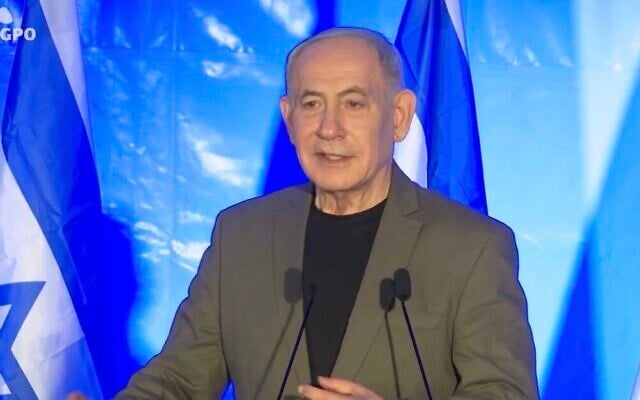
The decision comes after Ohana earlier rejected the court’s recommendation. The vote saw Michael Rabello, Prime Minister Benjamin Netanyahu’s longtime attorney, elected to the role, in what critics alleged was a tainted ballot.
Rabello’s opposition-backed rival, former Supreme Court justice Yosef Elron, led 60-57 in the first secret ballot, which was inconclusive because a comptroller needs a majority of at least 61 to be elected.
Rabello won 61-57 in the second ballot, when some coalition lawmakers videoed themselves voting, allegedly on the orders of senior Likud officials who suspected the lawmakers had voted for Elron the first time around.
In a High Court hearing on Thursday on petitions against Rabello’s election, which came in response to an opposition petition, judges expressed concern that the ballot’s required secrecy was violated, and suggested parliament redo vote.
In a brief announcement appended to Ohana’s X post on Sunday, the Knesset speaker said that he was rejecting the court’s advice “for all the reasons detailed in the preliminary response to the petition and during the hearing.” Knesset representatives had argued during the hearing that neither the different results of the two ballots, nor the fact some lawmakers videoed themselves voting for Rabello in the second round, were proof that orders had come from on high for the lawmakers to vote for him after the first round.
Following the vote, some lawmakers were quoted in the media anonymously saying they were pressured to do so.
Conditional orders shift the burden of proof from the petitioners to the respondents, meaning that the government now has to convince the court why it should not annul the election of Rabello.





The Times of Israel Community.