

Saudi Aramco shuts down Ras Tanura refinery, its biggest, after Iran drone strike causes blaze
Defense ministry says two drones intercepted, shrapnel fell, no injuries; social media videos show flames and smoke billowing from oil facility, one of the world’s largest
 Add ToI as a Preferred Source on Google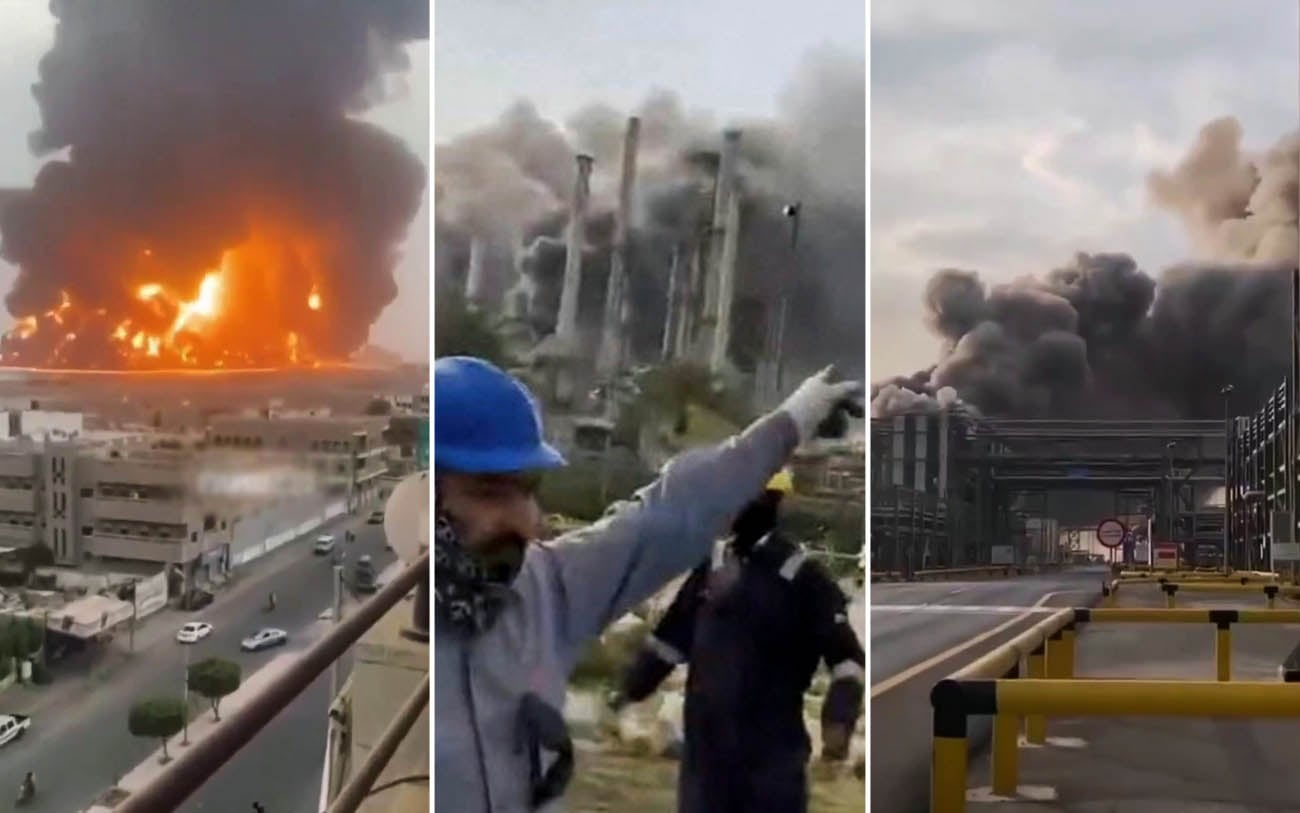
Saudi Arabia’s state oil giant Aramco shut its Ras Tanura refinery after a drone strike caused a blaze, an industry source said on Monday, after Tehran launched strikes across the region in response to the US-Israeli attack on Iran.
Videos posted to social media purporting to show the facility after the attack showed flames and a thick cloud of black smoke billowing into the sky.
A Saudi defense ministry spokesman said two drones had targeted the refinery, Saudi Arabia’s biggest and one of the world’s largest, and been intercepted, according to a statement posted by the Saudi Press Agency on X.
“A limited fire resulted from falling shrapnel during the interception operation, with no civilian casualties,” the spokesman said.
A source familiar with the incident told AFP the blaze had already been extinguished.
The Ras Tanura complex, on the kingdom’s Gulf coast, houses one of the Middle East’s largest refineries with a capacity of 550,000 barrels per day (bpd) and serves as a critical export terminal for Saudi crude.
It was shut as a precautionary measure, and the situation is under control, the source said.
???????????????? Another view of Saudi Arabia's Aramco oil refinery following Iranian stoke: pic.twitter.com/erBJkRPDLj
— BRICS News (@BRICSinfo) March 2, 2026
Aramco did not immediately respond to an emailed request for comment.
On Sunday, Saudi Arabia intercepted Iranian missiles targeting Riyadh’s international airport and the Prince Sultan Airbase, which houses US military personnel, a Gulf source briefed on the matter told AFP. Saudi Arabia’s foreign ministry said it summoned the Iranian ambassador.
Saudi Arabia’s heavily fortified energy facilities have been targeted previously, most notably in September 2019 when unprecedented drone and missile attacks on the Abqaiq and Khurais plants temporarily knocked out more than half of the kingdom’s crude production and roiled global markets. Though the Iran-backed Houthi rebel group in Yemen claimed responsibility, the US blamed Iran for carrying out the attack itself.
The latest drone strike added to a wave of attacks on the Gulf, including on Abu Dhabi, Dubai, Doha, Manama, and Oman’s commercial part of Duqm. The strikes have paralyzed major shipping hubs in the United Arab Emirates and Oman and sent Brent crude futures LCOc1 surging roughly 10 percent on Monday.
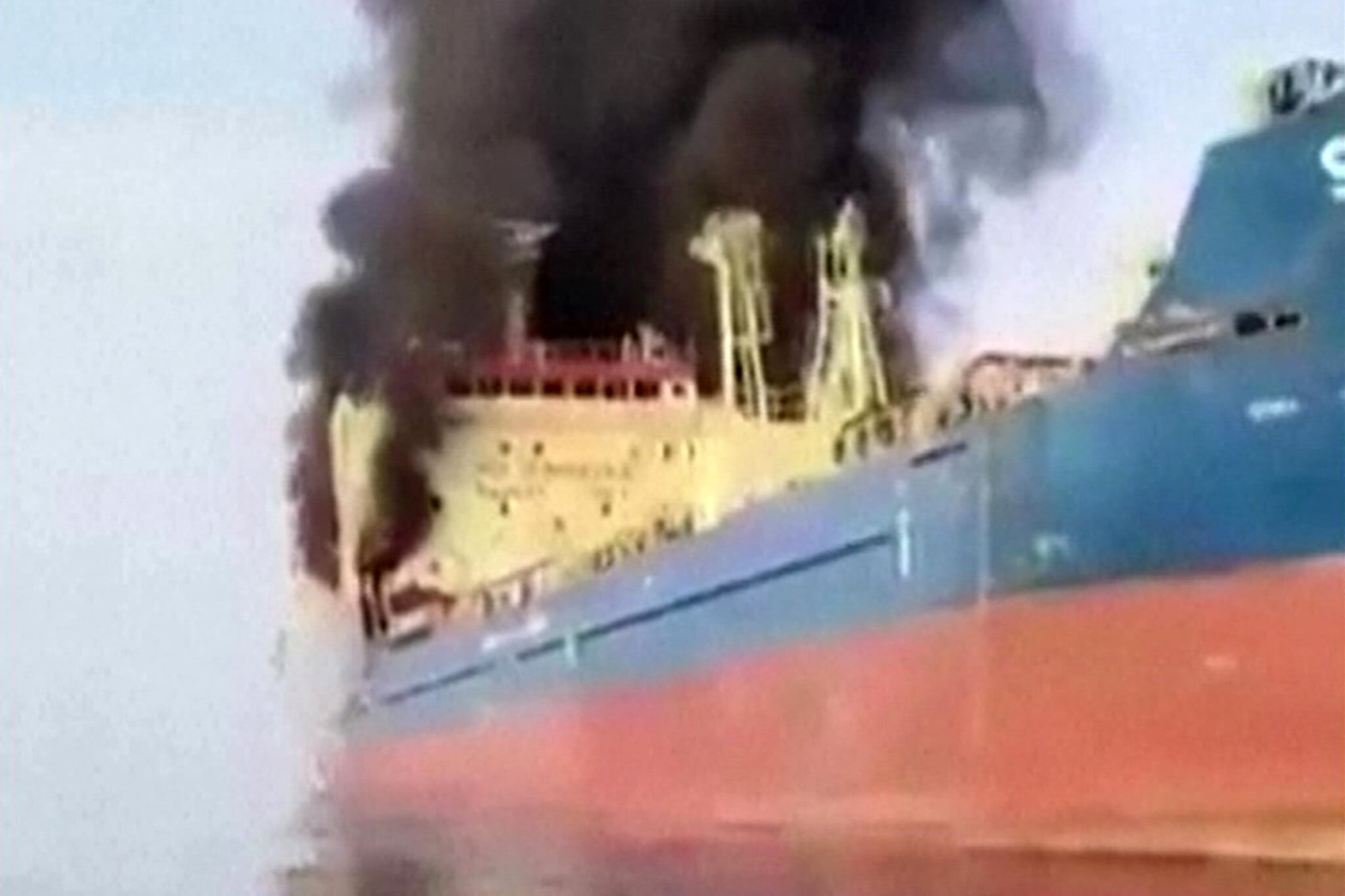
Traders were betting the supply of oil from Iran and elsewhere in the Middle East would slow or grind to a halt. Attacks throughout the region, including on two vessels traveling through the Strait of Hormuz, the narrow mouth of the Persian Gulf, have restricted countries’ ability to export oil to the rest of the world. Prolonged attacks would likely result in higher prices for crude oil and gasoline, according to energy experts.
West Texas Intermediate, the light, sweet crude oil produced in the United States, was trading at about $72 a barrel early Monday, up about 7.3% from about $67 on Friday, according to data from CME Group.
A barrel of Brent crude, the international standard, was trading at $78.55 per barrel early Monday, according to FactSet, up 7.8% from its trading price of $72.87 on Friday, which had been a seven-month high at the time.
Higher global energy prices could lead consumers to pay more at the pump for gasoline and to shell out more for groceries and other goods, at a time when many are already feeling the effects of elevated inflation.
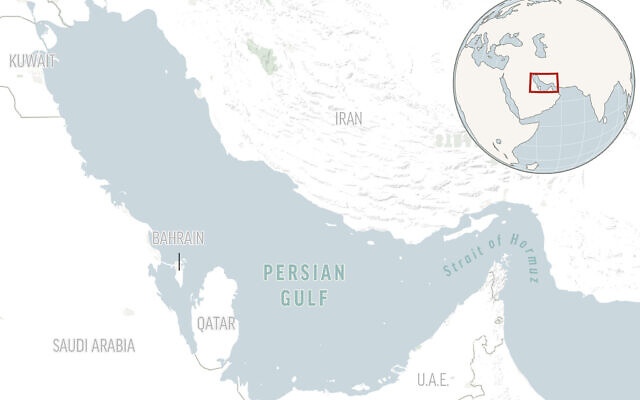
Roughly 15 million barrels of crude oil per day — about 20% of the world’s oil — are shipped through the Strait of Hormuz, making it the world’s most critical oil chokepoint, according to Rystad Energy. Tankers traveling through the strait, which is bordered in the north by Iran, carry oil and gas from Saudi Arabia, Kuwait, Iraq, Qatar, Bahrain, the UAE, and Iran.
Iran had temporarily shut down parts of the strait in mid-February for what it said was a military drill, which led oil prices to jump about 6% higher in the days that followed.
Against that backdrop, eight countries that are part of the OPEC+ oil cartel announced they would boost crude production on Sunday. The Organization of Petroleum Exporting Countries, in a meeting held before the war began, said it would increase production by 206,000 barrels per day in April, more than analysts had expected. The countries boosting output include Saudi Arabia, Russia, Iraq, the United Arab Emirates, Kuwait, Kazakhstan, Algeria, and Oman.
“Roughly one-fifth of global oil supply passes through the Strait of Hormuz, a vital artery for world trade, meaning markets are more concerned with whether barrels can move than with spare capacity on paper,” said Jorge León, Rystad’s senior vice president and head of geopolitical analysis, in an email. “If flows through the Gulf are constrained, additional production will provide limited immediate relief, making access to export routes far more important than headline output targets.”
Iran exports roughly 1.6 million barrels of oil a day, mostly to China, which may need to look elsewhere for supply if Iran’s exports are disrupted, another factor that could increase energy prices.






The Times of Israel Community.