

Photographer captures contemporary Israel in black and white
For decades, American photographer Paul Margolis has focused his trusty Leica’s lens on documenting everyday life in the Holy Land
 Add ToI as a Preferred Source on Google
Renee Ghert-Zand is the health reporter and a feature writer for The Times of Israel.
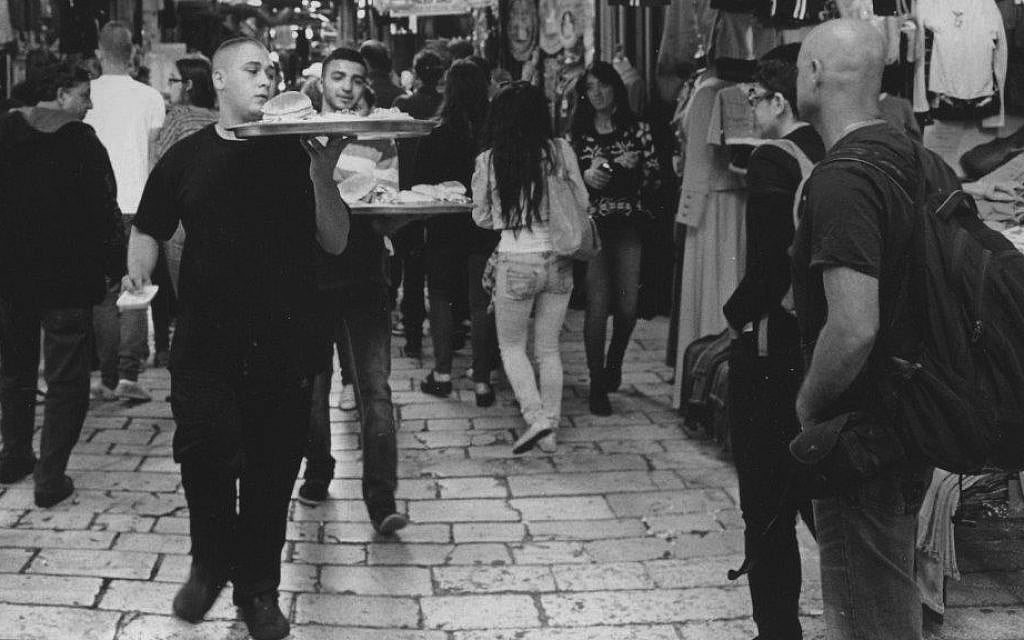
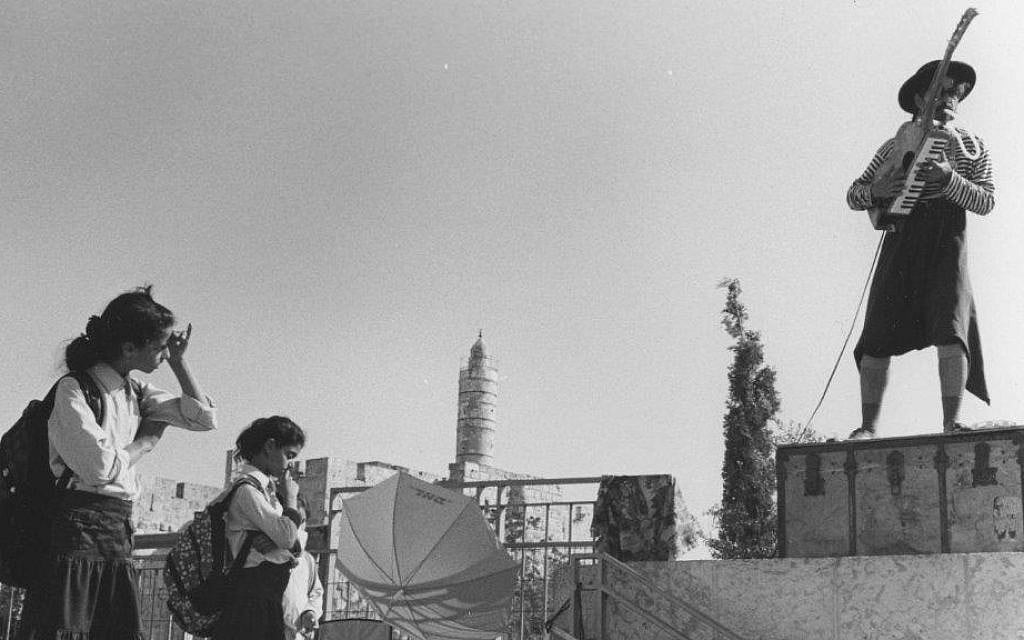
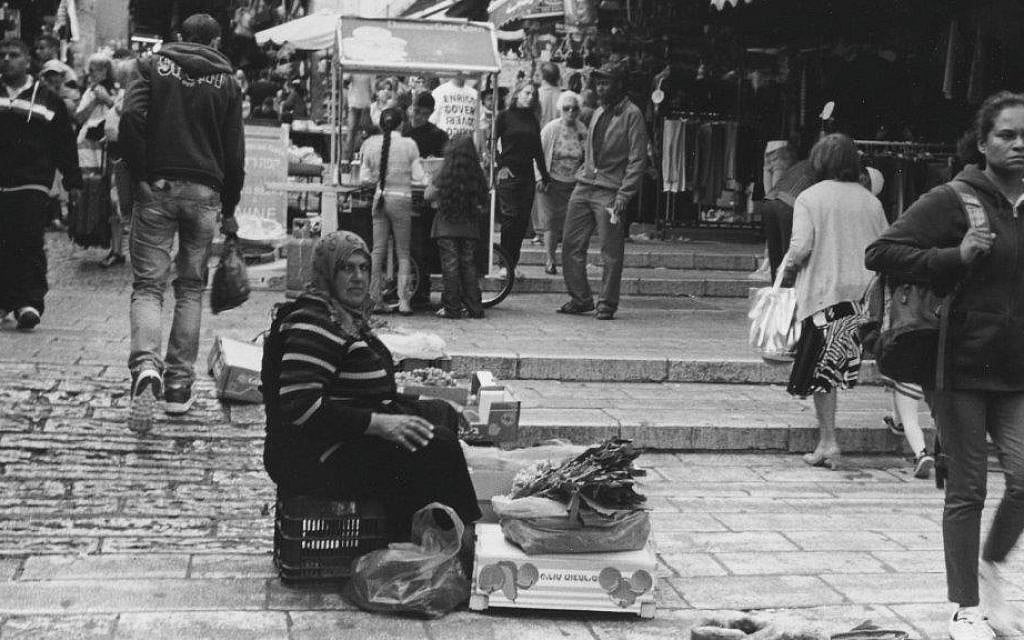
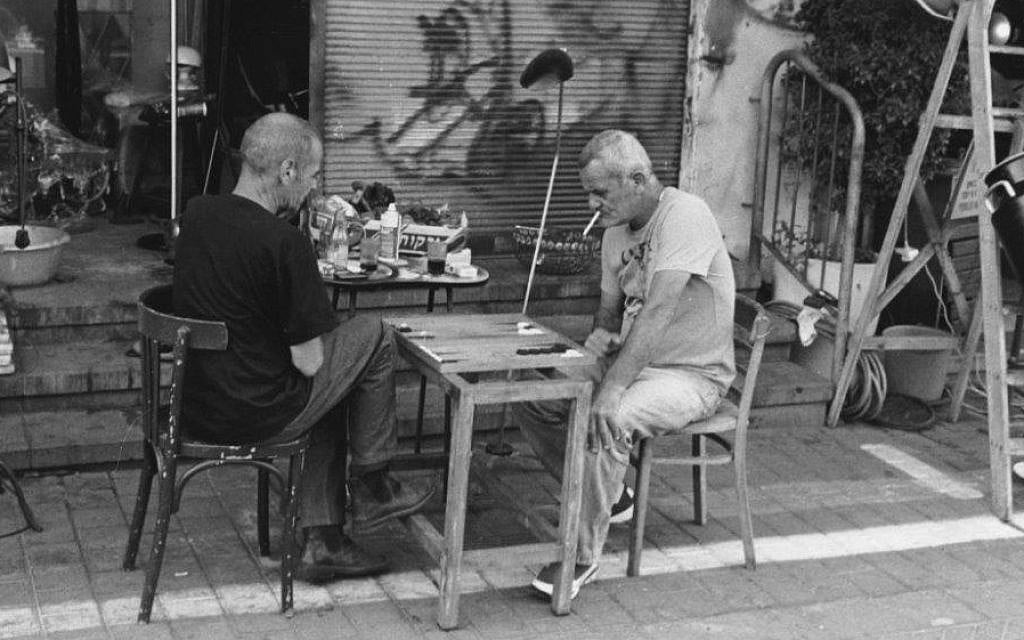
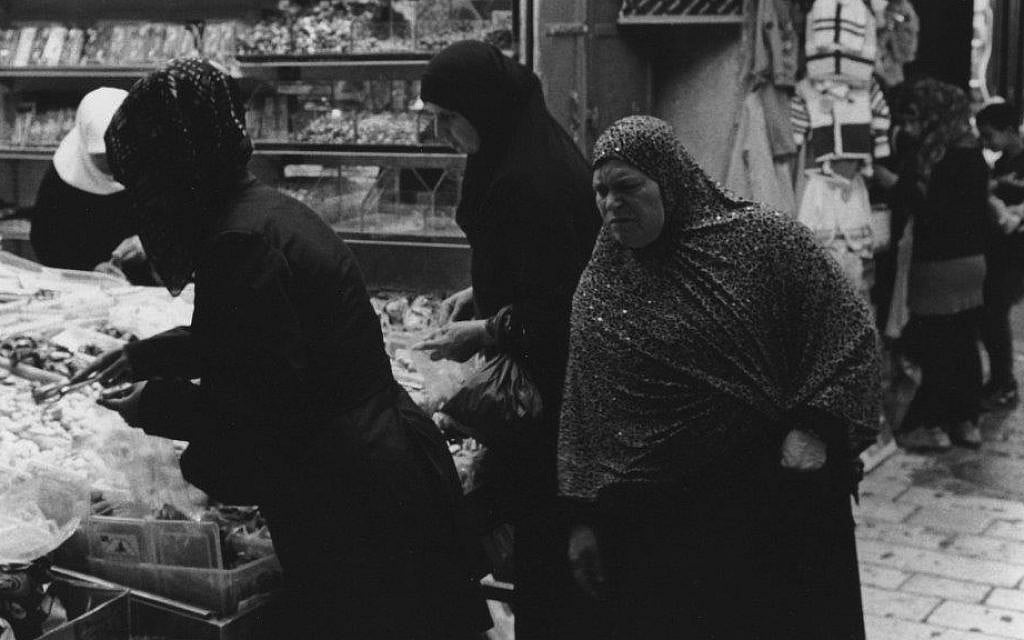
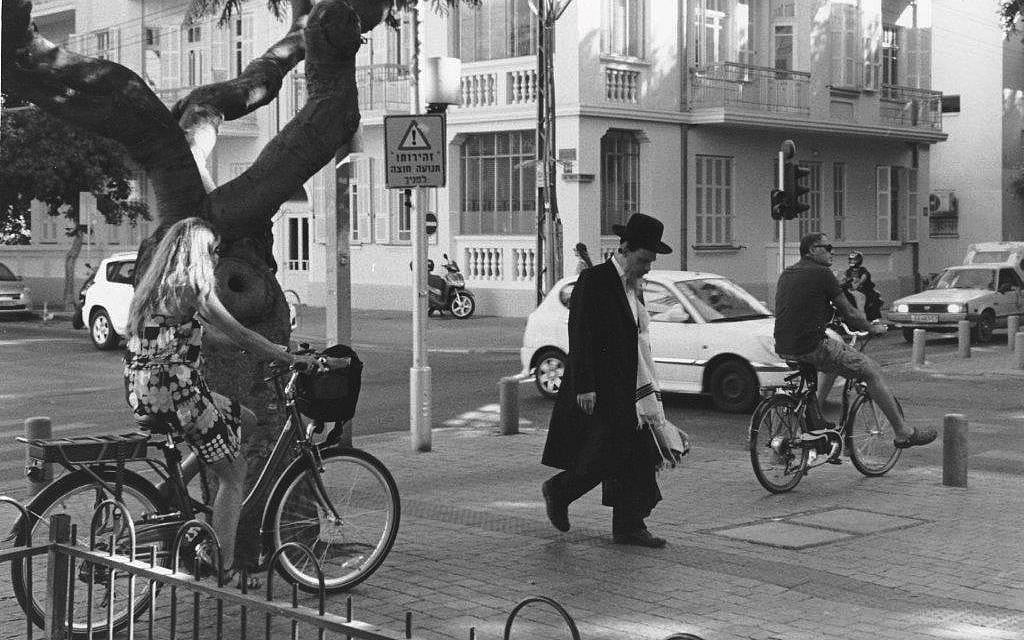
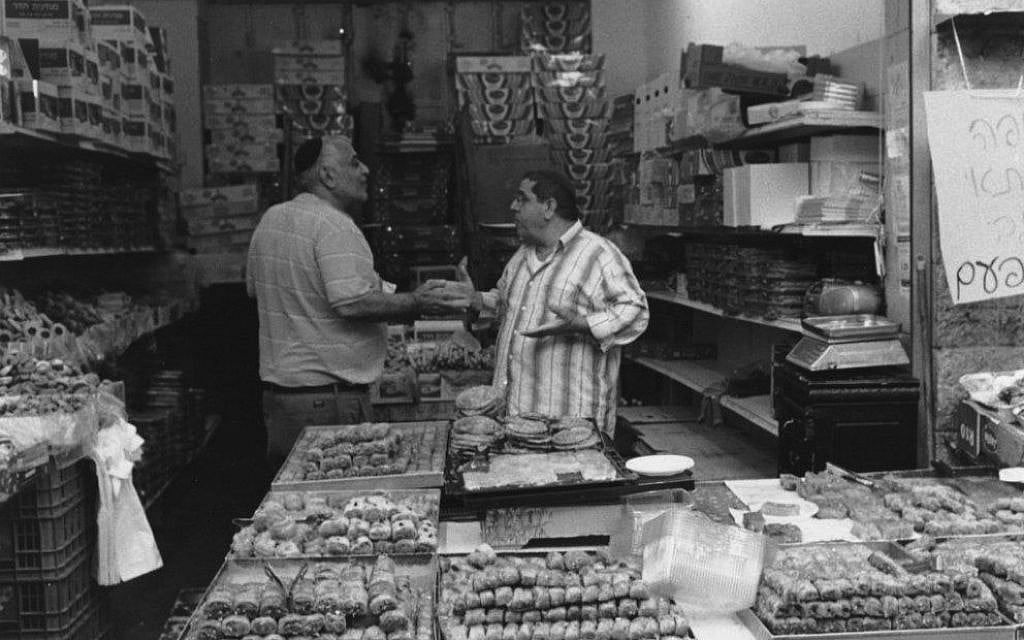
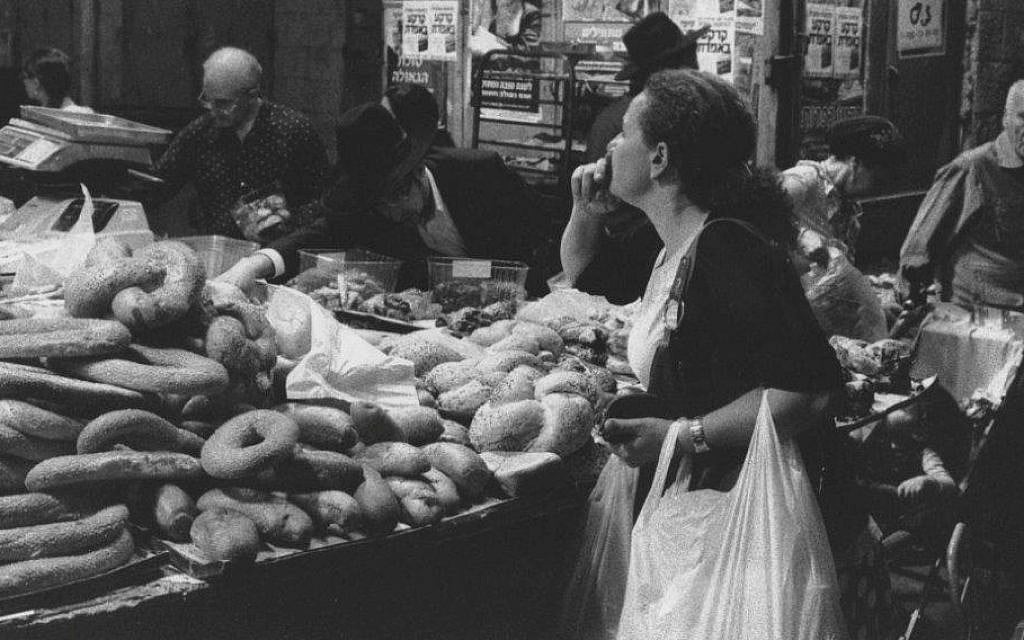
Paul Margolis likes to see the world in black and white. At least when it comes to the pictures he takes with his decades-old Leica Rangefinder camera, that is.
In an era when digital photography is advancing by leaps and bounds, the New York-based photographer is sticking to the historically tried-and-true way of capturing and preserving moments in time.
Margolis is currently in Israel for two weeks shooting images he plans to include in exhibitions at Jewish community centers and other US venues in the coming year. He is roaming the streets and alleys of Jerusalem, Haifa, Tel Aviv and Beersheba in search of interesting subjects.
He plans to go off the beaten path to visit the Bedouin town of Rahat, Kibbutz Urim near the Gaza border, and the market in the mixed Jewish-Arab central city of Ramla.
“I use a digital camera for my work as a photographer for a youth and community development agency of the City of New York, but my first love is black and white documentary photography,” Margolis tells The Times of Israel on the way to a shooting session at Jerusalem’s Mahane Yehuda market.
“I love the historical continuum going back 170 years it represents, and I find the hands-on tactile process very satisfying,” he explains.
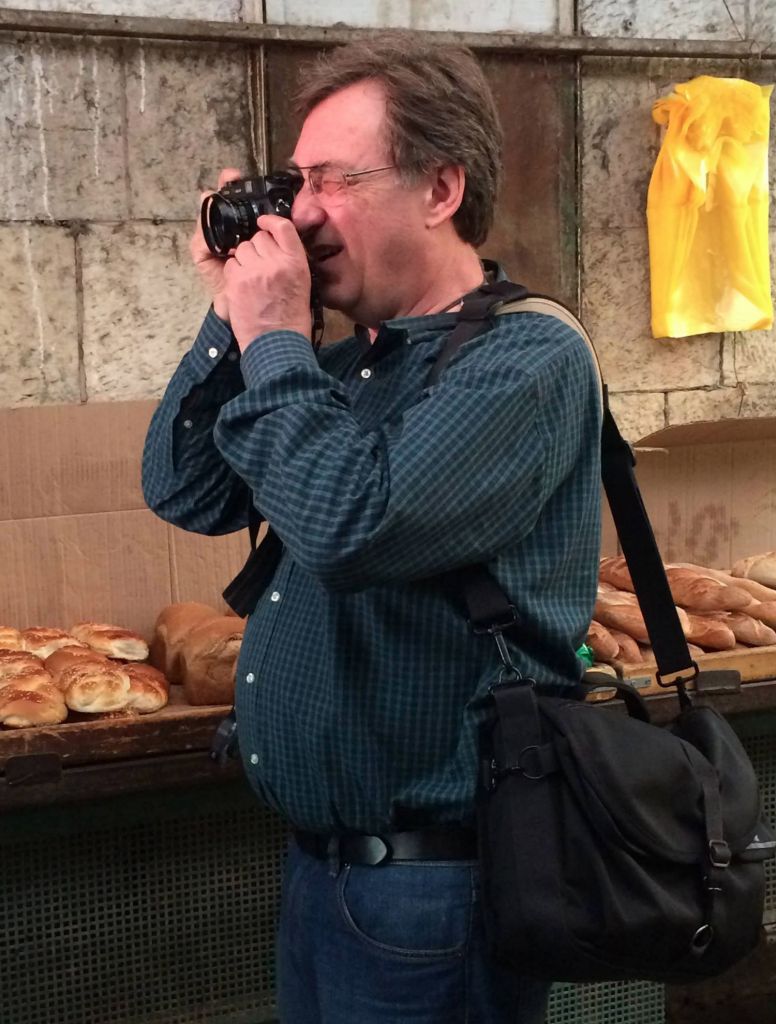
“Film to me is a real thing. The idea of zeros and ones making images is just not as real, not as organic.”
Margolis, 62, also thinks his printed black and white photos will have a longer archival shelf life than would digital images.
“Film processed properly will last 200 to 300 years,” he says. “Good luck getting an image off a CD or DVD in 50 years time, when the technology will have advanced beyond anything we have today.”
Margolis began his project of photographing daily life in Israel on a visit exactly one year ago. He hadn’t been back to the country since 1985, a trip that followed a short-lived aliyah experience in 1978-1979.
“Israel real became a modern country in those intervening years,” he says.
Inspired by renowned street photographers such as Henri Cartier-Bresson and Garry Winogrand, as well as by documentary photographers Walker Evans and Berenice Abbott, the self-taught Margolis focuses his lens mainly on people moving about their daily lives, especially in crowded environments.
As he grew up the son of a telegraph operator at a coastal station in Southampton, New York and imagined himself becoming a writer, Margolis never thought he would one day make a living with his camera.
‘My camera is a passport for me in to the areas I would never have otherwise been allowed’
“My camera is a passport for me in to the areas I would never have otherwise been allowed,” he says.
His trusted Leica has been a ticket to an opportunity to express his personal visual style, which he calls a “combination of nostalgia and absurdity.” It is one that is stripped of color and focuses on the angles, and on the lines on people’s faces.
It’s a style he thinks is well suited to capturing life in the Holy Land in the 21st century.
“The idea of using old equipment in an ancient land is actually very modern,” he says.









The Times of Israel Community.