

PM’s chief of staff accepts temporary extension of release restrictions until court ruling
Police filed extension request for ongoing restrictive conditions against Braverman 12 hours before expiration; judge says police presented ‘convincing’ reason for late filing
 Add ToI as a Preferred Source on Google
Jeremy Sharon is The Times of Israel’s legal affairs and settlements reporter
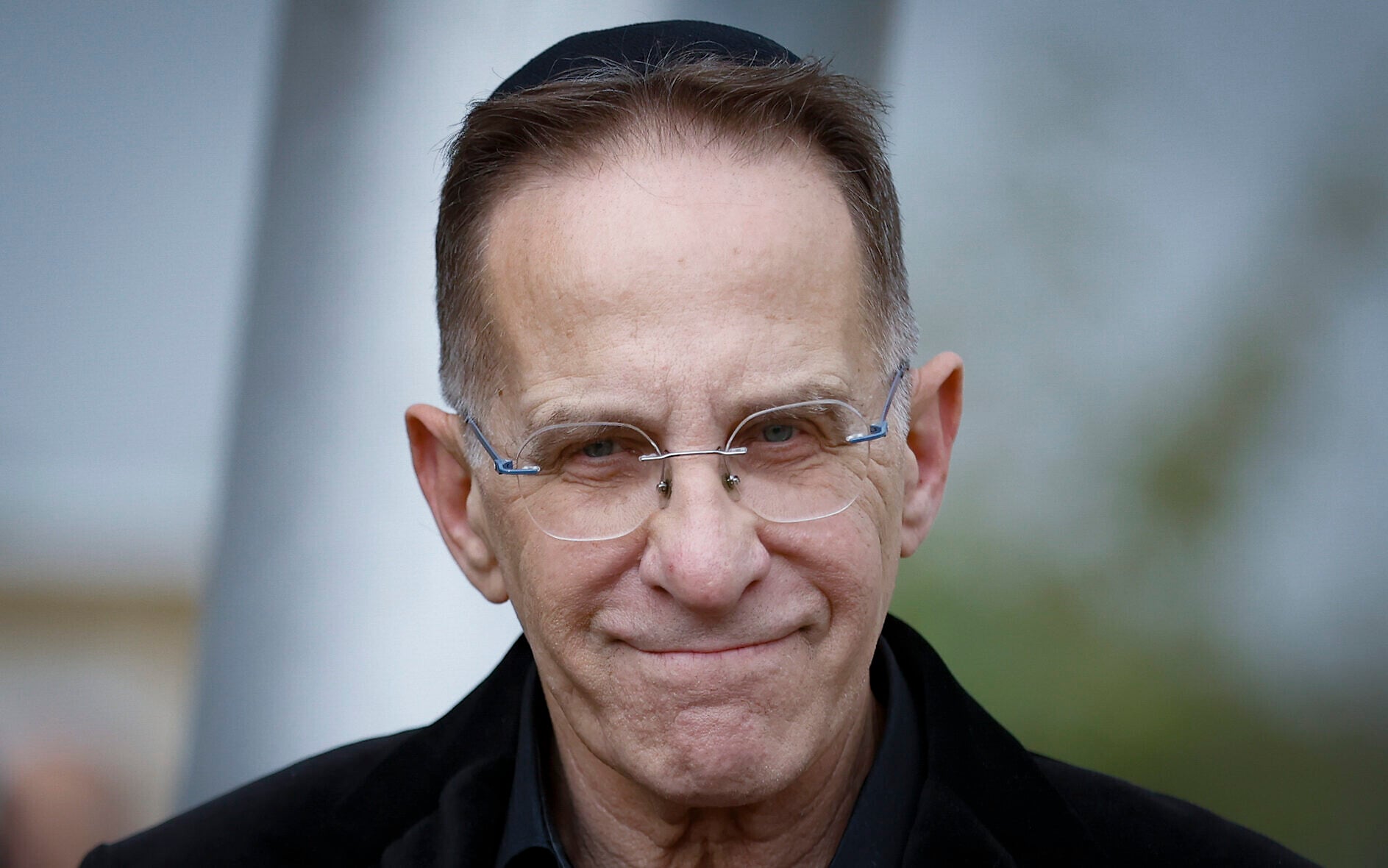
Upon the recommendation of the Lod-Central District Court, Tzachi Braverman, Prime Minister Benjamin Netanyahu’s chief of staff, agreed on Wednesday to abide by restrictive detention-release conditions that had been imposed on him since January 11 but that expired at midnight last night.
The restrictions will stay in place until the Rishon Lezion Magistrate’s Court can make a ruling on a request by the police to extend those restrictions.
Braverman is being investigated on suspicion of interfering with an investigation and other crimes, in connection with allegations that he told Eli Feldstein, a spokesperson for Netanyahu, that he could quash a military investigation into Feldstein over the leak of a classified document to the German newspaper Bild
Braverman, who was designated to be ambassador to the United Kingdom in September but has yet to take up the post, is barred from leaving the country, and cannot contact Netanyahu or other officials in the Prime Minister’s Office as conditions for his release from detention.
The restrictions were set to expire on Tuesday at midnight but the police only filed their extension request at noon the same day, asking for the conditions to be extended until March 10.
Judge Menahem Mizrahi, president of the Rishon Lezion Magistrate’s Court, determined on Tuesday that the request could only be heard on Thursday, meaning that the restrictions did in fact expire and leading the police to appeal that decision to the district court.
Judge Michael Karshen of the Lod-Central District Court recommended to Braverman that he voluntarily abide by the terms of the conditions until the magistrate court hears the request and rules, which Braverman accepted. Karshen gave Braverman’s agreement the status of a judicial ruling, making the police appeal obsolete.
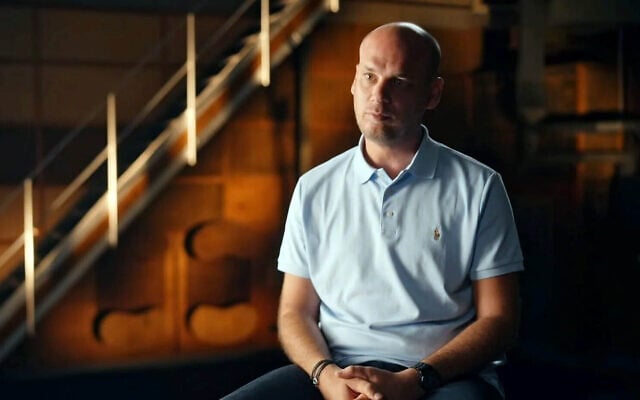
Karshen added that he had been concerned that the police deliberately delayed filing their extension request because the case was before Mizrahi who has ruled against numerous police requests over Braverman’s case, and other cases connected to the Bild and Qatargate affairs affecting the Prime Minister’s Office.
Karshen said, however, that during Wednesday’s hearing the police presented him with a document that demonstrated “convincingly” why the release conditions extension request was filed so late.
A spokesperson for Braverman did not respond to a request for comment as to whether Netanyahu’s chief of staff had contacted the prime minister or anyone else on the no-contact list in the time after the restrictions expired and before the district court hearing.
The police investigation into Braverman is focused on an alleged nighttime meeting he set up in the underground parking lot of the IDF’s Kirya military headquarters in Tel Aviv with Feldstein in October 2024.
During the meeting, Feldstein alleges that Braverman told him he was aware of what should have been a secret IDF investigation into Feldstein’s leak of classified intelligence, which Braverman said he could quash.









The Times of Israel Community.