

Quitting smoking may make you stronger, Israeli study says
Scientists find that smokers gain muscle, not just fat, after kicking the cigarette habit

Quitting smoking generally leads to weight gain, but some of that extra weight is added muscle, a year-long Israeli study suggests.
Of the average 5 kilograms that people gained after quitting smoking in the study, 26 percent came in the form of bigger muscles. On average, the quitters got about 20 percent stronger after they quit, and their bones got stronger too. The study is the first to show that quitting smoking boosts muscle strength.
Although there are significant health benefits to quitting smoking, concern about weight gain is a factor in deterring many people from kicking the habit. The small longitudinal study, published in the journal Addiction this month, should alleviate this concern somewhat. Plus, it suggests that by quitting, smokers could earn a buffer body.
“The main reason for smokers not trying to quit is the fear of gaining weight,” said Oren Rom, a registered dietician who led the study for his doctoral thesis in medical sciences at the Technion — Israel Institute of Technology.
“So if we can see that there are some beneficial effects from weight gain, like improved muscle function and strength and improved bone density and strength, maybe it will encourage people to quit.”

Prof. Dror Aizenbud, chairman of the Department of Orthodontic and Craniofacial Anomalies at Rambam Health Care Campus, and Prof. Abraham Reznick, a molecular biophysicist at the Technion, oversaw the study.
From cold turkey to beefcake?
Despite the well-documented weight gain, stubbing out cigarettes for good has proven health benefits for most of the body. In addition to reducing the risk of cancer, heart disease, and many other ailments, quitting has been shown to improve bone health.
But surprisingly little is known about the effect of quitting on muscles.
To investigate, the scientists tested body composition and muscle strength in heavy smokers right after they quit and then again a year later. Forty-one heavy smokers, who smoked at least 15 cigarettes a day, were recruited from a quit-smoking program and completed the study. About a quarter, 10 of them, stayed off the wagon for the full year.
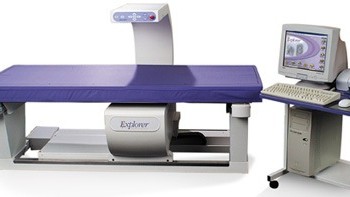
The scientists measured the participants’ body composition — a breakdown of their fat, muscle, and bone — using two scans: dual-energy X-ray absorptiometry and bioelectric impedance analysis. Their muscle strength was measured by chest press, leg press, and handgrip — a standard test of muscle strength.
Data analysis of the results revealed that the quitters gained an average of 5 kilograms over the course of the study, while the smokers gained less than a kilogram. About three-quarters of the difference in weight gain, 74 percent, was fat. Most of the rest, 26 percent, was muscle.
The extra muscle translated into greater strength. As a group, the quitters’ maximum chest press increased by an average of 8 kilograms, and their maximum leg press increased by an average of 18 kilograms. They were able to grip with 6 kilograms more force. Overall, the quitters got an average of 17-23 percent stronger. Meanwhile, the smokers’ strength did not change significantly.
“Our study is quite good news. Just by quitting smoking, you seem to be able to gain muscle mass and strength,” said Rom.
Lightening the load for quitters
In line with previous research, the quitters also gained significant bone mineral content and bone mineral density, while the smokers did not. This change did not significantly affect weight.
The scientists worried differences in diet and exercise might influence the results. But smokers and quitters reported pretty much the same habits, both at the beginning and at the end of the study.
Because the scientists did not take tissue samples from the participants, they cannot explain how quitters’ muscles change. But in previous research, they discovered various ways that cigarette smoke weakens muscles. They suspect quitting reverses these processes, allowing muscles to recover. Further research is needed, they say, to confirm the findings of the study and to uncover the molecular mechanism that would explain them.
In the meantime, they say, smokers should take the findings as another reason to quit. After all, bigger muscles do not just help fill out a tank top. They support joints, improve balance, and reduce the likelihood of falls in old age. Plus, muscles burn lots of calories, which could help make any quitting-related fat temporary.










The Times of Israel Community.