

Religious Services minister backs down from bid to control appointments of city rabbis
Following High Court petition by Tzohar and ITIM groups, Michael Malkieli rolls back regulations guaranteeing him control of selection committees
 Add ToI as a Preferred Source on Google
Rossella Tercatin is The Times of Israel's archaeology and religions reporter.
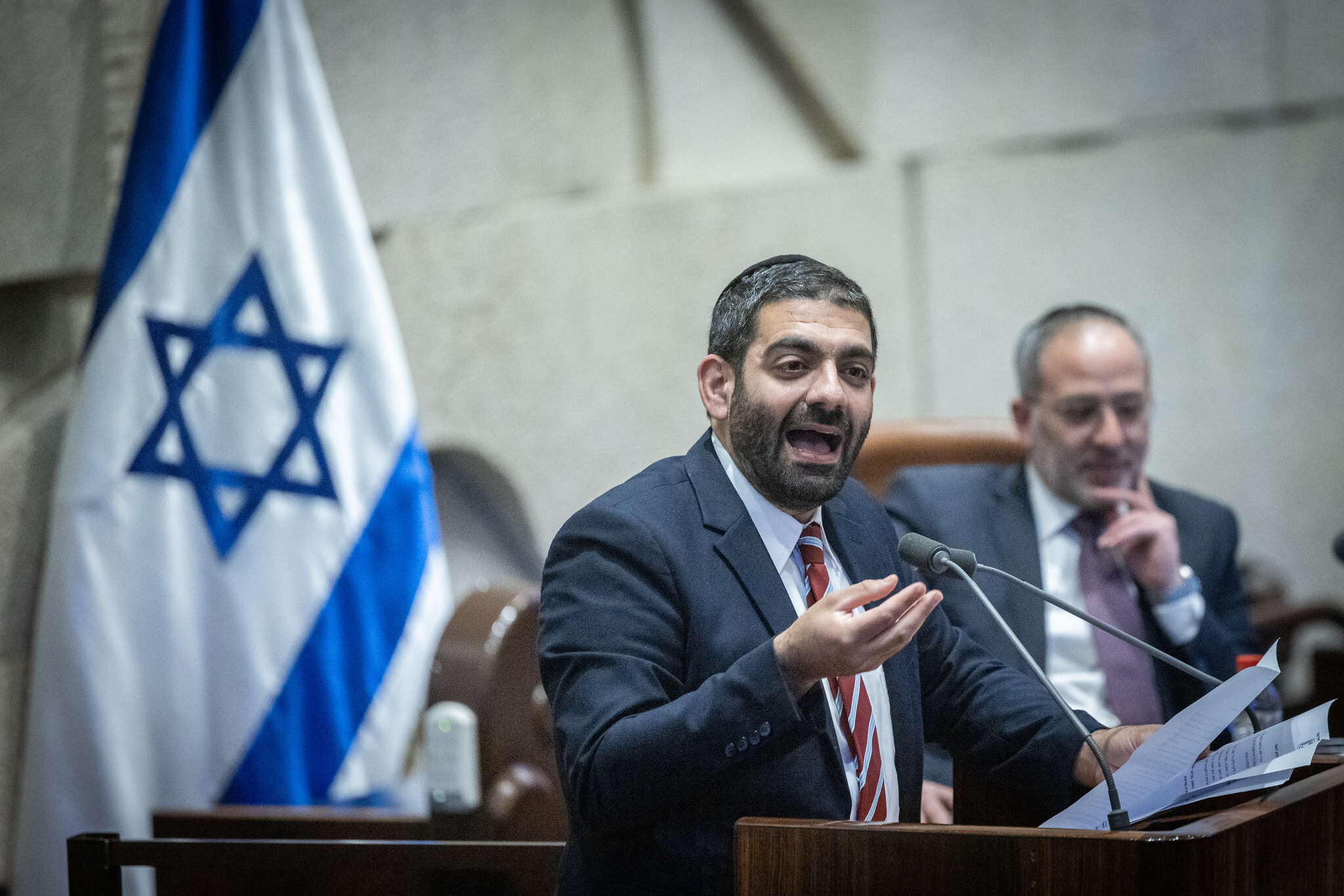
Religious Services Minister Michael Malkieli (Shas) has rolled back a set of regulations that effectively gave his ministry control over the appointment of city rabbis in Israel. The move was announced Sunday by the Tzohar Rabbinical Organization and the religious rights group ITIM, which had petitioned the High Court of Justice to overturn the regulation.
Following Malkieli’s move, ITIM announced that the petition would be withdrawn.
Municipal rabbis are meant to serve as the direct religious authority for the Jewish residents of their city or town, signing off on things like marriage licenses and kosher certificates for local restaurants.
However, the appointment process for the positions has long been beset by allegations of corruption and political horse-trading, prompting a number of appeals to the High Court over the years along with highly critical State Comptroller reports.
In an effort to depoliticize the selection process and shift power away from the ultra-Orthodox, then-religious services minister Matan Kahana signed off on a major reform of the system in 2022, setting ten-year term limits and increasing the number of representatives of local communities on the selection committees which choose between candidates.
In November, however, Malkieli tried to quietly reverse the changes introduced by Kahana.
Under his new regulations, the ministry was to choose two-thirds of the selection committees’ delegates “in consultation with the local authority,” while the rest were to be appointed by the municipal government “with the consent of the minister” — essentially giving Malkieli a veto over electors with whom he disagrees.
The move was largely seen as a tool to increase Shas’s influence across Israel.
Following ITIM and Tzohar’s petition, on January 30, the High Court issued a conditional order against the religious services minister, requiring the state to respond by March 20.
On Sunday, however, Malkieli agreed to amend the regulation, giving local representatives the decisive voice in appointing city rabbis.
“Minister [Malkieli] realized that he cannot completely control the election of city rabbis throughout the country,” ITIM CEO Seth Farber said in a statement. “A rabbi’s appointment must consider the voice of the local authority and its residents.”
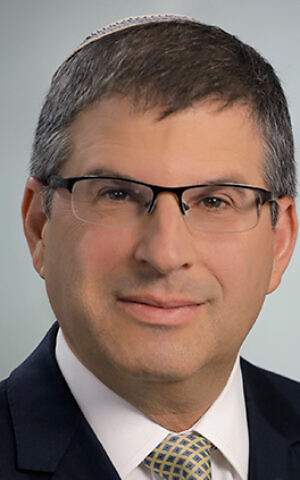
“We are pleased that even the Ministry of Religious Affairs now appreciates what our sages have taught for thousands of years — that no authority should be appointed to lead a community without first consulting the community,” Tzohar said in a statement.
According to the petitioners, the development marks an important step toward a fair and transparent process that is attentive to the needs of the public. Both ITIM and Tzohar pledged to continue to monitor the implementation of the agreement with Malkieli.
Over 50 city rabbis are expected to be selected in the upcoming months, including rabbis of major cities such as Jerusalem, Tel Aviv and Haifa.
“From now on, there will be no political appointments of rabbis by the minister and his party,” Farber said.
A spokesman for Malkieli did not respond to a request for comment.
Sam Sokol contributed to this report.









The Times of Israel Community.