

Rosenberg sons seek vindication from Obama for ‘perversion of justice’ in mother Ethel’s execution
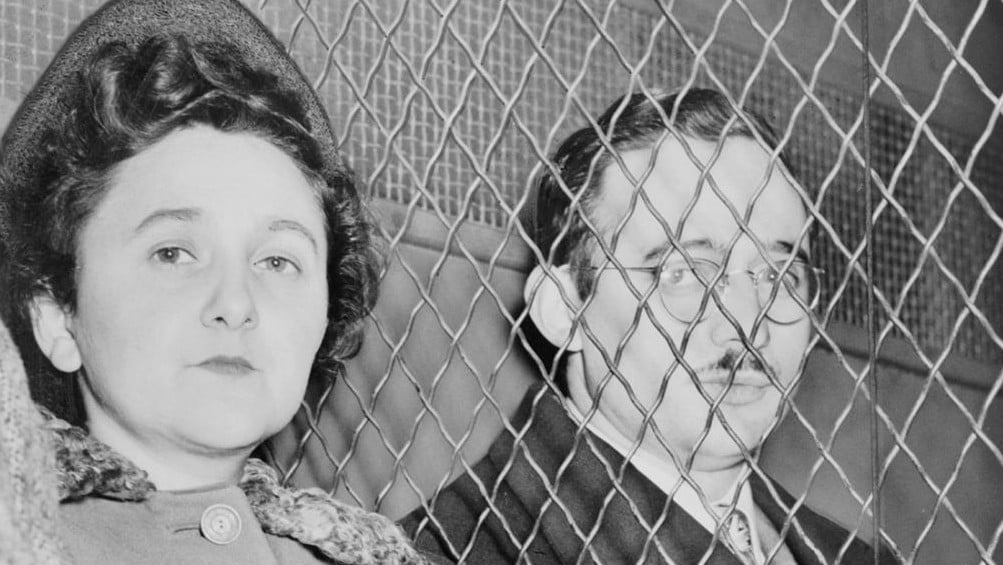
At the apex of McCarthyism, Julius and Ethel Rosenberg were the only US civilians executed for espionage during the Cold War. Today, new doubt is cast on the validity of her indictment
 Add ToI as a Preferred Source on Google
Reporter at The Times of Israel
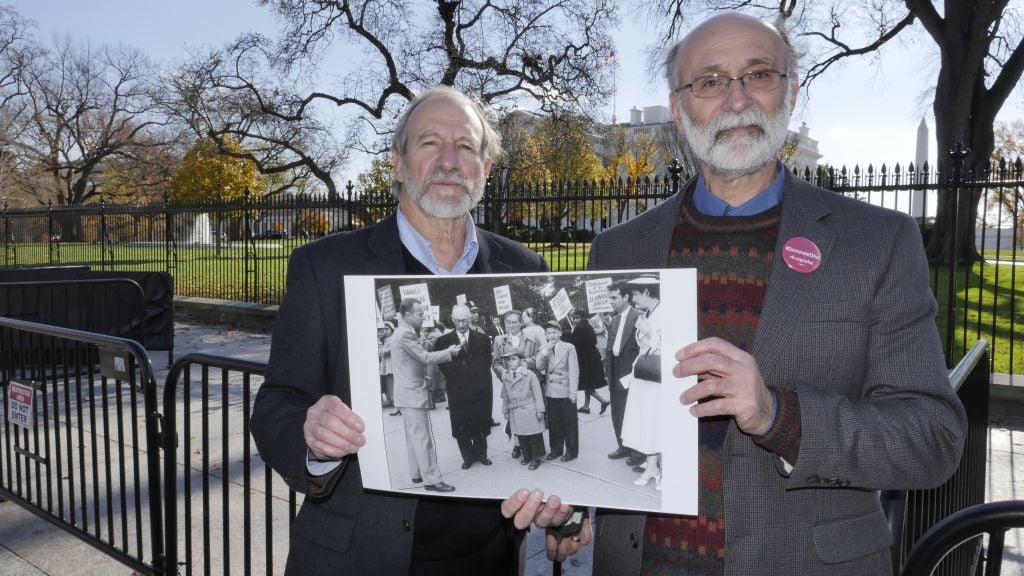
After more than 60 years, Michael and Robert Meeropol were again on their way to the White House.
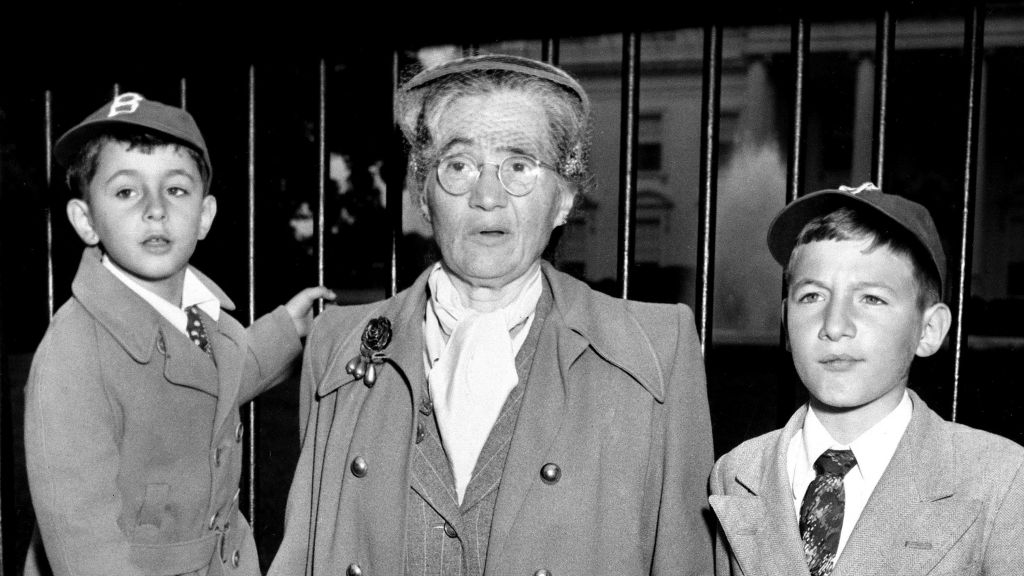
Much had changed since their previous visit. Back in June 1953 when the brothers first traveled to the nation’s capital, they were children aged 10 and 6, attempting to convince president Dwight Eisenhower to spare their parents, Julius and Ethel Rosenberg. The Rosenbergs were notoriously convicted in 1951 of conspiracy to commit espionage on behalf of the Soviet Union, America’s Cold War enemy.
Their plea did not receive a response, and less than a week later, on June 19, 1953, their parents were executed at Sing Sing Correctional Facility in New York. Later, Michael and Robert Rosenberg were adopted by songwriter Abel Meeropol and his wife, Anne, and took the couple’s surname.
Now, based on recent developments, the Meeropol brothers returned to Washington on the morning of December 1, 2016, to call on President Barack Obama to exonerate their mother.
“It feels like it was an event that needed to happen,” Robert Meeropol told The Times of Israel via telephone. “I feel very good about participating.”
‘It feels like it was an event that needed to happen’
The brothers sought to present their request at the north side of the White House, at the guard booth at the press entrance. However, Meeropol said, “We were told we can’t do that. We would have to send it through the mail. We expected that response.”
However, while the visit may have been symbolic, the materials they brought were substantive.
“What we dropped off was a detailed letter with annotated footnotes,” Meeropol said.
Brother Michael Meeropol said, “What was important was that, in addition to the footnotes, there were the actual documents footnoted, pages of grand jury testimony, pages of FBI documents, to support the claims.”
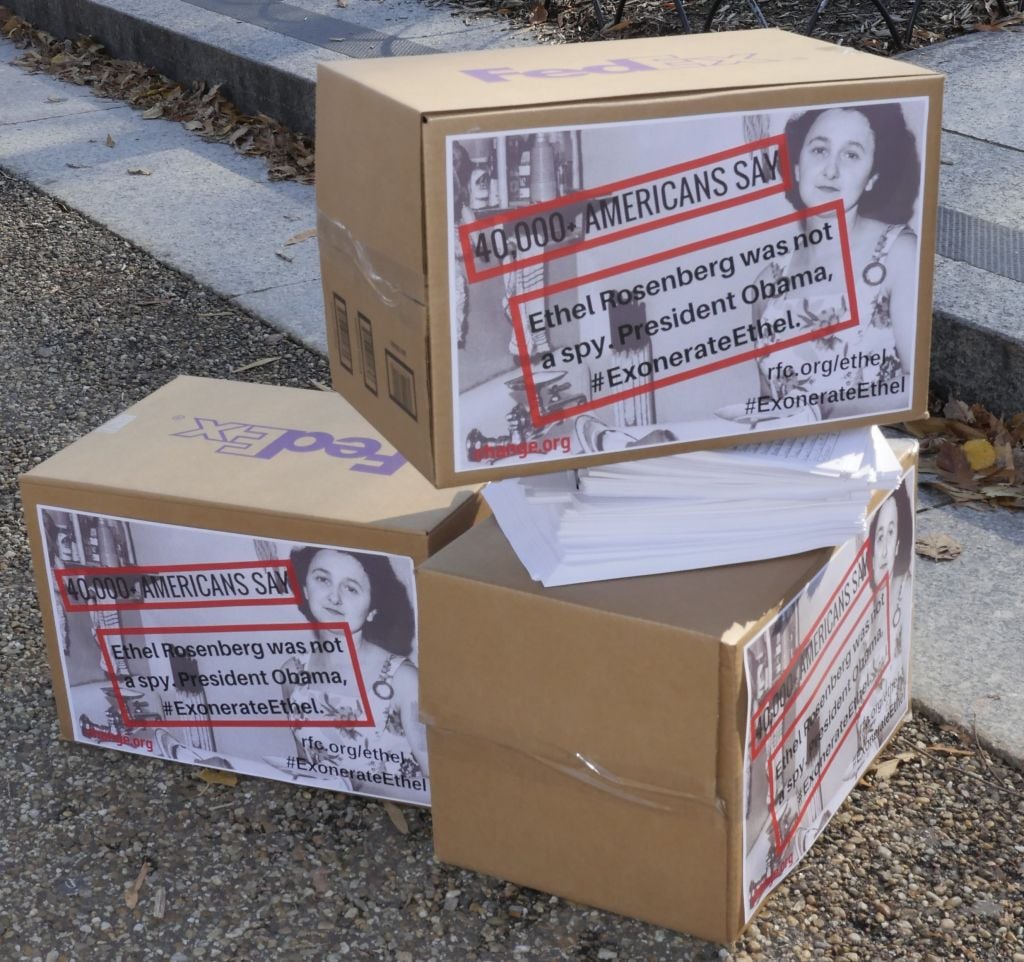
Michael Meeropol said that he and his brother are requesting a presidential proclamation from Obama, not a pardon.
“Ethel Rosenberg was no spy,” Michael said. “The guilty get a pardon. [We want a] presidential proclamation. It’s extremely clear.”
‘The guilty get a pardon. We want a presidential proclamation’
Among the documents that accompanied the request was a similar proclamation, issued in 1977 by then-Massachusetts governor Michael Dukakis, stating that the trial of Italian anarchists Nicola Sacco and Bartolomeo Vanzetti was unjust. Sacco and Vanzetti had been executed in 1927. Michael called Dukakis’s proclamation “kind of a model” for what he hopes to see from Obama.
The brothers also brought proclamations from the New York City Council and three boxes of petitions containing over 40,000 signatures, including those of filmmaker Michael Moore and professors Angela Davis and Noam Chomsky.
The push to exonerate Ethel Rosenberg has gained momentum within recent years. The Meeropols hope it culminates with Obama absolving their mother before he leaves office on January 20, 2017.
Lingering questions and new information
Former CIA agent Joseph Wippl, now a professor at Boston University, said the best definition of espionage is that “in some way, you are working for a foreign power, or are loyal to a foreign power, passing information that could harm your own country.”
He added, “It’s not that easy to prove in a court of law.”
63 years ago, the nation and the world were riveted by the trial of Julius and Ethel Rosenberg, a Jewish couple from New York accused of espionage.
Not only were the Rosenbergs convicted, they were also sentenced to death, becoming the only Americans executed for espionage.
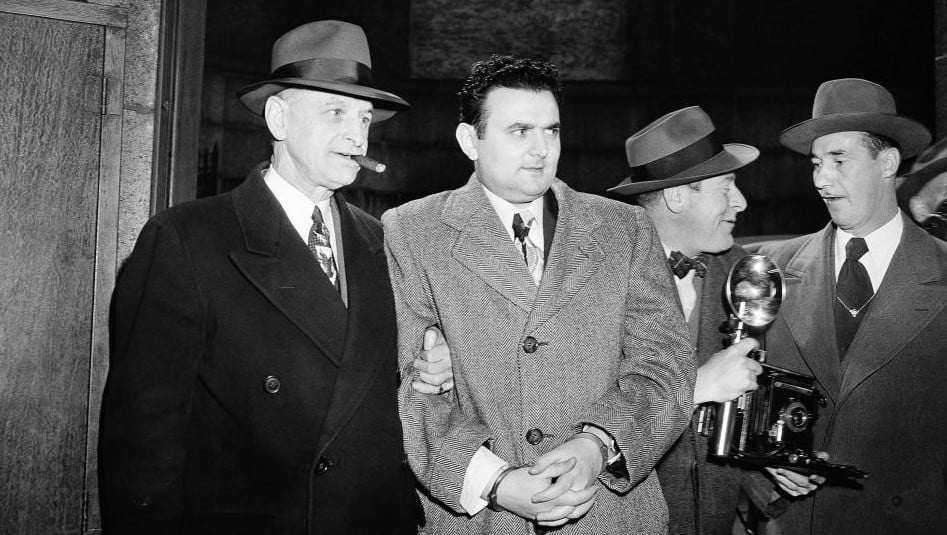
One key element in the prosecution was the testimony of Ethel Rosenberg’s brother, David Greenglass, who said that she was involved in espionage and that she typed up notes to be passed on to the Soviet Union. Robert Meeropol called this “the final nail in the coffin of my mother’s guilt.”
He recalled being three years old when his parents were taken from him, and six years old “when they were executed in a very public manner.”
“There were headlines all over the place,” he said. “You don’t get over something like that. My entire life, you never forget, you always know.”
Michael Meeropol, who was 10 years old at the time of his mother’s death, said that he remembers her “very well.” He called her “very loving.”
The year 1953 was a tense one in the histories of both the US and the Soviet Union. The Rosenbergs were executed just months after the death of longtime Soviet ruler Joseph Stalin on March 5, 1953. Throughout that year, the US was engaged in finding a way to end the Korean War.
Wippl said that “some theories” exist that portray the Rosenberg case as an example of how the Eisenhower administration “wanted to get real tough” as the war was concluding and an armistice was being signed. But, he said, he is “not so sure.”
The Rosenberg sons’ adoptive father, Abel Meeropol, became famous as the writer of the anti-lynching song “Strange Fruit,” sung by Billie Holiday.
“Nobody knew who I was,” Robert Meeropol remembered about growing up. “I did not confide it on a regular basis… I played on the street, [did] what other kids did. Children are extremely resilient, most [are involved in] what was going on in their lives at the moment.”
https://www.youtube.com/watch?v=h4ZyuULy9zs
“What worked for me was a supportive community,” he said. “People rallied to save my parents’ life. They helped us. I never felt alone and isolated. It was a very culturally-rich home.”
And, he added, he was able to put away his past trauma as a child and live a “relatively normal existence, New York, left-wing, secular Jewish.”
He married young, at 20 years old (he and his wife have two children, and the couple will celebrate their 50th anniversary in a few years). He tried academia, then law.
‘It was something good out of something bad, tikkun olam for me, an attempt to heal the world’
Then, in 1989, he decided to start a foundation to help the children of targeted activists. Over 26 years, the Rosenberg Fund for Children has helped 1,000 such children and provided $6 million worth of assistance.
“It was something good out of something bad, tikkun olam for me, an attempt to heal the world,” Meeropol said. “After the destruction visited upon my family, I was thankful something was constructed that benefits other families.”
Time went on and history turned in unexpected directions. In the same year that Meeropol decided to start a foundation, the Berlin Wall came down, and with it communism in Eastern Europe. Then, in 1991, the Soviet Union collapsed, ending the Cold War.
And, with the arrival of a new century, Ethel Rosenberg would get a chance at vindication.
Voices from beyond the grave
On July 15, 2015, David Greenglass’ grand jury testimony was released posthumously.
‘He said that he never talked to my mother about any espionage, under oath to the grand jury’
“He said that he never talked to my mother about any espionage, under oath to the grand jury,” Robert Meeropol said. “Nine months later, he said, ‘Ethel Rosenberg was involved, and typed up notes.’”
Meeropol also said that his mother had never received a code name from the KGB. He called his late uncle — who died on July 1, 2014 — a “liar.”
Last month, Meeropol visited the Vilna Shul in Boston for a Friday-night Shabbat service. He discussed what had been called “a modern-day Dreyfus Affair,” referring to the 1894 espionage trial of Jewish army officer Alfred Dreyfus in France, a case famous for its anti-Semitic overtones.
Meeropol said that both David Greenglass and his wife, Ruth (who died in 2008), delivered “key trial testimony” leading to the Rosenbergs’ conviction. This testimony included a statement that Ethel Rosenberg participated in a September 25, 1945, meeting at the Rosenbergs’ apartment, giving the Soviets a diagram of a cross-section of an atomic bomb. They said she also typed up David Greenglass’s handwritten notes explaining this diagram.
But, Meeropol said, “both Greenglasses did not mention this meeting before the grand jury,” and David Greenglass’ grand jury testimony contradicts the assertion that Rosenberg typed up the notes on that date.
Since the release of David Greenglass’s testimony, the campaign to exonerate Ethel Rosenberg has found growing support.
On September 28, 2015, Manhattan borough president Gale A. Brewer and 13 New York City Council members proclaimed Rosenberg’s execution wrongful, on what would have been her 100th birthday.
In October of this year, the Meeropols spoke about their campaign with Anderson Cooper on “60 Minutes.”
https://www.youtube.com/watch?v=n5gLb9-HOXM
“There was a New York City Council resolution that declared the execution wrongful,” Meeropol said. “That got ’60 Minutes’ interested. They did a half-hour segment on us, on the campaign. All of these things cascaded. To some degree it was a long-term plan. To some degree it was luck, good timing.”
The cascade rose higher on December 1, with the White House visit.
A ‘perversion of justice’?
Robert Meeropol recognizes that there are counter-arguments.
‘What we’re saying is that the Ethel Rosenberg trial was a perversion of justice’
“What we’re saying is that the Ethel Rosenberg trial was a perversion of justice, and the verdict should be nullified,” he said. “There is no ‘counterargument’ talk regarding the trial. It’s not ‘it was a fair trial.’ It’s not ‘Greenglass didn’t lie.’ They don’t counter that.”
“[They say that] snippets from KGB files show my mother did something, participated in a conspiracy. That’s not what we’re talking about,” he said. “I can prove the trial was a perversion. My opponents, they don’t counter my argument [on] that, there’s no counterargument.”
Despite the difficulties the Meeropols face, they will continue with their efforts to convince Obama to exonerate their mother before he leaves office on January 20, 2017.
“We will continue to agitate, to organize to gather support, throughout the month of December into January,” Robert Meeropol said. “We hope the noise we make is going to generate, hopefully, a response.”
Asked what it would mean if his mother were exonerated, he said, “Oh, it would feel like a vindication, complete vindication.”
He also said it would be “a human rights object lesson in how dangerous [it is] to give the government power to execute people… a tremendous anti-capital punishment statement.” And, he said, “It would provide a warning to people of the incoming administration.”
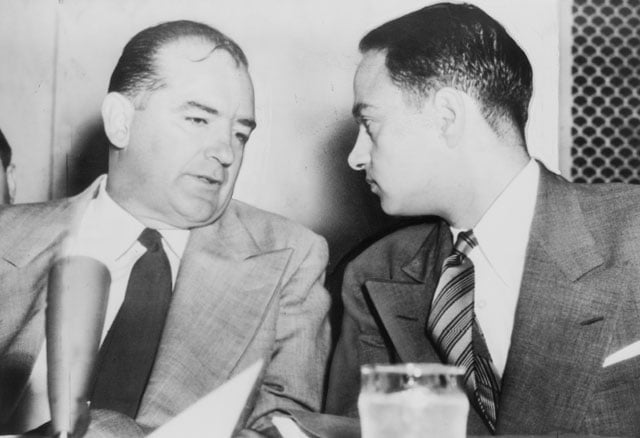
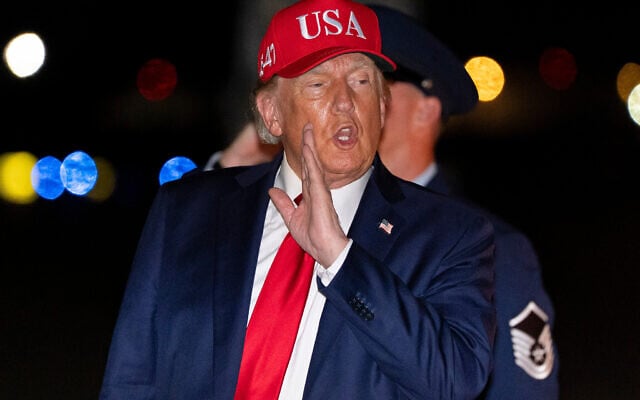
He said that President-elect Donald Trump has called senator Joseph McCarthy’s attorney Roy Cohn a mentor.
“Roy Cohn was one of the people who engineered my mother’s execution,” Meeropol said. “I would feel like, ‘Hey, I’m playing a role, trying to prevent a future miscarriage of justice.’ It would make me feel terrific.”







The Times of Israel Community.