

Shell signs initial deal en route to return to Iran
Oil giant wants ‘long-term presence’ in Islamic republic, which seeks $10 billion of oil and gas deals this year
 Add ToI as a Preferred Source on Google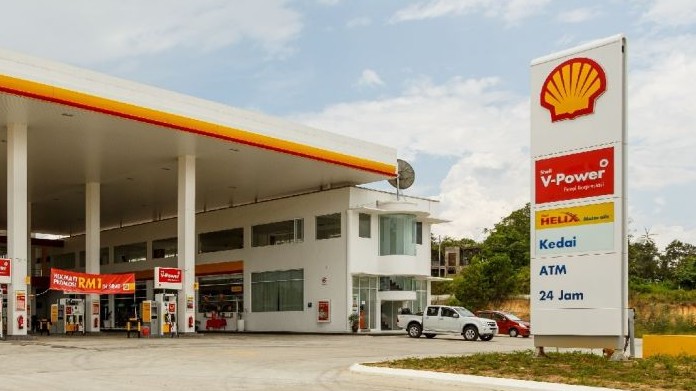
Royal Dutch Shell confirmed Monday that it had signed an initial deal with Iran’s National Petrochemical Company, paving the way for its return to the Islamic republic.
“We can confirm that we have expressed our interest to further explore potential areas of cooperation with the National Petrochemical Company through a letter of intent,” a spokesman for the Anglo-Dutch energy giant told AFP.
Iran’s Shana news agency, which is linked to its oil ministry, said the deal had been signed in Tehran on Sunday.
Hans Nijkamp, Shell’s vice president, attended the signing ceremony and told Shana that the company was seeking “a long-term presence in Iran”.
“We first need to see what are the areas where we think we can work together and then work out what commercial structures we use, what technical solutions, and ultimately you will indeed end up with a sort of a joint venture agreement,” he said.
“But it is too early today to put any timeline on that. We are very pleased that Iran is coming back to be a part of the global community. But it is still a fragile situation,” he added, according to Shana.
Iran’s Deputy Oil Minister Amir Hossein Zamaninia described the initial agreement as a “very significant step for the start of the Shell company’s involvement in Iran’s petrochemical industry, which we hope will be operational very soon.”
Marzieh Shahdaei, the head of the NPC, told Shana that the company planned to increase petrochemical output to 160 million tonnes from 60 million by 2025.
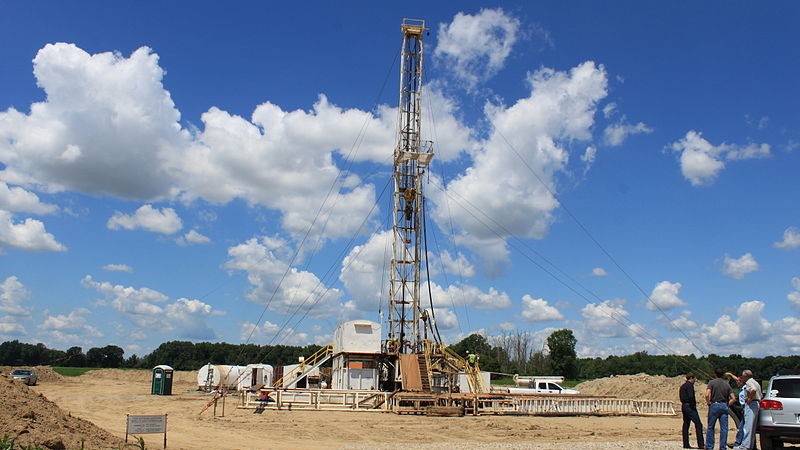
Foreign businesses have rushed to cash in on last year’s historic accord with world powers that saw sanctions lifted in exchange for curbs to Iran’s nuclear program.
Zamaninia told Shana that Iran was pursuing $10 billion worth of deals in the oil and gas sector this year.
However, remaining US sanctions mean international banks are still wary of doing business with Iran — making it difficult for firms to finance major deals.
Nijkamp acknowledged the difficulties for transferring funds, but told Shana: “The fact that I am here today means that we do see a very positive future for Iran and also for Shell in Iran.”
Shell, which was forced by sanctions to cease trade with Iran in 2010, resumed purchases of Iranian oil in June.






The Times of Israel Community.