

Spain’s virus cases shoot up by 1,500 in one day, amid reports of lockdown plan
As total number of sick nears 6,000, Madrid expected to announce a two-week state of emergency, movement restrictions in effort to contain rapid spread of pathogen
 Add ToI as a Preferred Source on Google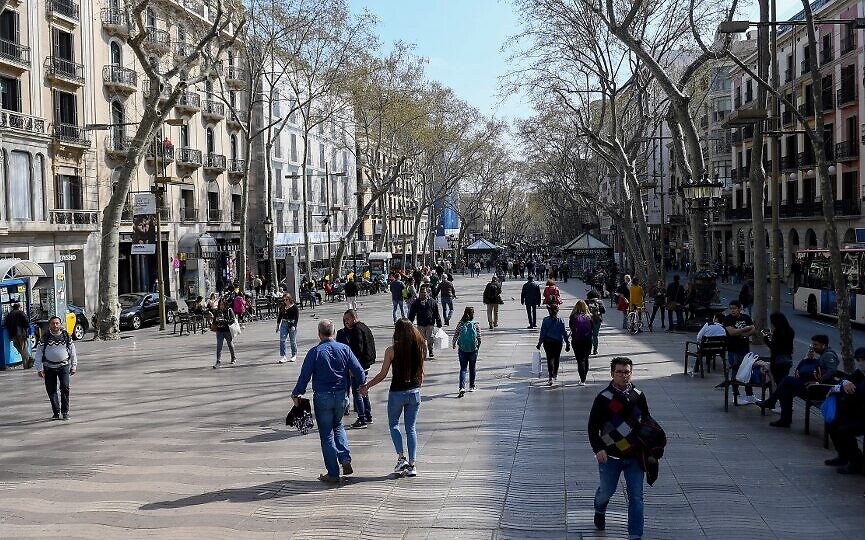
MADRID — Spain’s government is expected to announce Saturday that it is placing tight restrictions on movement for the nation of 46 million people while declaring a two-week state of emergency to fight the sharp rise in coronavirus infections, according to local reports
Spain confirmed more than 1,500 new cases of coronavirus between Friday and Saturday, raising its total to 5,753 cases, the second-highest number in Europe after Italy. The virus has so far killed 136 people in Spain.
Prime Minister Pedro Sanchez was due to speak at a cabinet meeting later Saturday.
On Friday, media reports said the government would adopt a series of extraordinary measures in order “to mobilize all the resources of state to better protect the health of all of its citizens.”
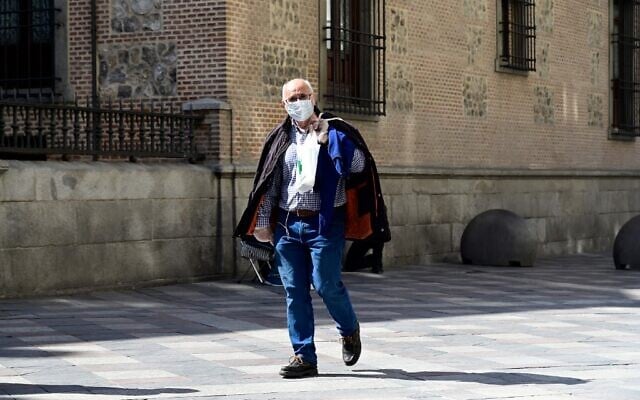
The number of cases in Spain has increased tenfold since Sunday, and bars, restaurants and all sporting and cultural institutions have been closed.
The Madrid region, which is the country’s worst-hit with nearly 3,000 cases, has ordered the closure of all non-essential businesses.
Sánchez acknowledged on Friday that the number of infections could reach 10,000 in the coming days.
Spain has followed Italy’s path in implementing a similar lockdown after both European countries failed to contain the virus in regional hotspots.
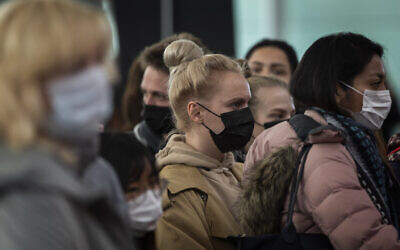
Italy extended the strict restriction on movement from the north to the entire country on March 9 when it registered over 9,000 infections. It then went further on March 11 and closed all retail outlets except some supermarkets and pharmacies.
Already in Spain, residents in Madrid and northeast Catalonia awoke Saturday to shuttered bars and restaurants and other non-essential commercial outlets as ordered by regional authorities the day before.
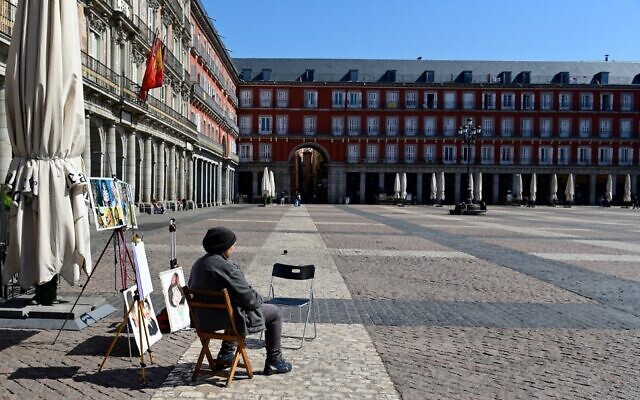
The normally bustling streets of Spain’s two biggest cities were noticeably quieter as the message sinks in that social distancing is the only way to stop the global pandemic after its eruption in China.
Spooked shoppers packed some supermarkets early in the morning despite calls for calm from authorities and supermarket owners.
In the capital, however, the town hall was forced to close parks after many people continued their Saturday morning jogs and other outdoor pastimes.
Authorities and public health care workers, as well as television and radio news anchors, are making pleas for people to stay at home in order to reduce the spiking contagion curve.
Authorities in parts of southern Spain have also blocked access to coastal areas in an attempt to stop people who had taken advantage of the closing of schools this week and “work from home” options to take impromptu beach trips.
A state of emergency allows the central government to limit free movement, legally confiscate goods and take over control of industries and private facilities, including private hospitals. It’s only the second time that the government has evoked it since the return of democracy in the late 1970s. The other was declared during a 2010 air traffic controllers’ strike.








The Times of Israel Community.