

UAE foreign minister: No word on Qatari response to demands
With deadline looming, top Emirati diplomat repeats call for Doha to end its support of terrorist groups
 Add ToI as a Preferred Source on Google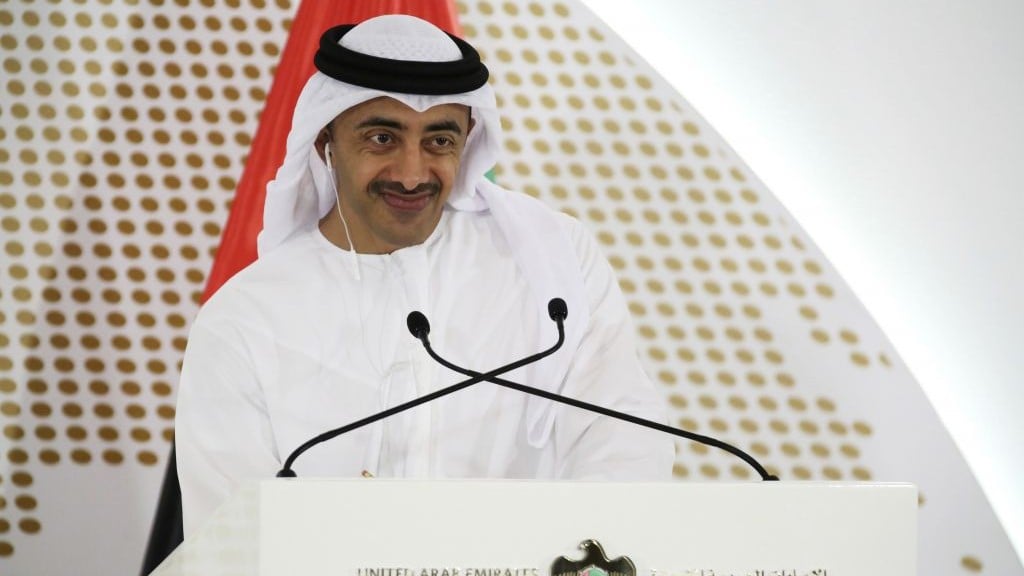
ABU DHABI, United Arab Emirates (AP) — The United Arab Emirates’ top diplomat said on Tuesday that four Arab nations have yet to receive details on Qatar’s response to demands they made as part of a diplomatic crisis gripping the Persian Gulf.
Emirati Foreign Minister Abdullah bin Zayed Al Nahyan declined to say what action the countries may take against Qatar. The Emirates, Saudi Arabia, Bahrain and Egypt cut ties with Qatar early last month over its alleged support for extremist groups and ties with Iran.
Qatar denies supporting extremists and has defended its warm relations with Iran; the two countries share a massive undersea natural gas field.
Sheikh Abdullah’s comments suggest the countries are prepared to take further action against Qatar.
“To defeat terrorism, we must confront extremism, we must confront hate speech, we must confront the harboring and sheltering of extremists and terrorists, and funding them,” he said. “Unfortunately, we in this region see that our sister nation of Qatar has allowed and harbored and encouraged all of this.”
“Enough is enough,” he added.
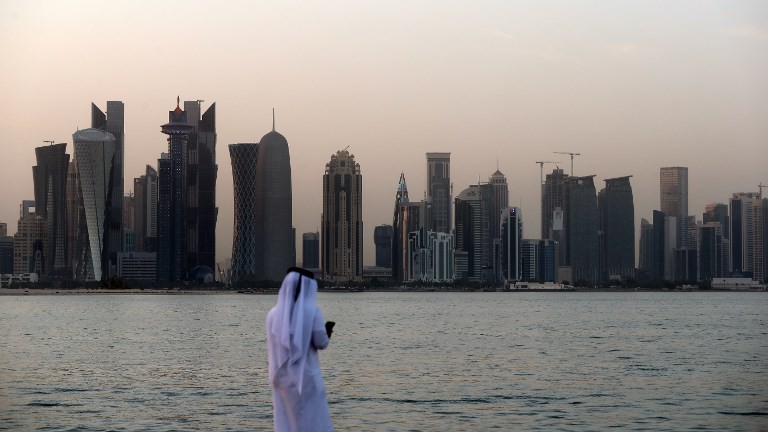
The four countries cut off diplomatic ties to Qatar on June 5 and restricted its access to their airspace and ports while sealing its only land border, with Saudi Arabia. They issued a 13-point list of demands on June 22, giving Qatar 10 days to comply.
After the deadline expired early on Monday, the countries said they would give Qatar another 48 hours. The extension came at the request of Kuwait’s 88-year-old ruler, Sheikh Sabah Al Sabah, who has been trying to mediate, as he did during a similar dispute in 2014.
Later Tuesday, the Kuwaiti emir dispatched an envoy from his court to the Qatari capital, Doha, with a letter for the Qatari ruler, Kuwait’s state news agency reported. It gave no details on the contents of the letter.
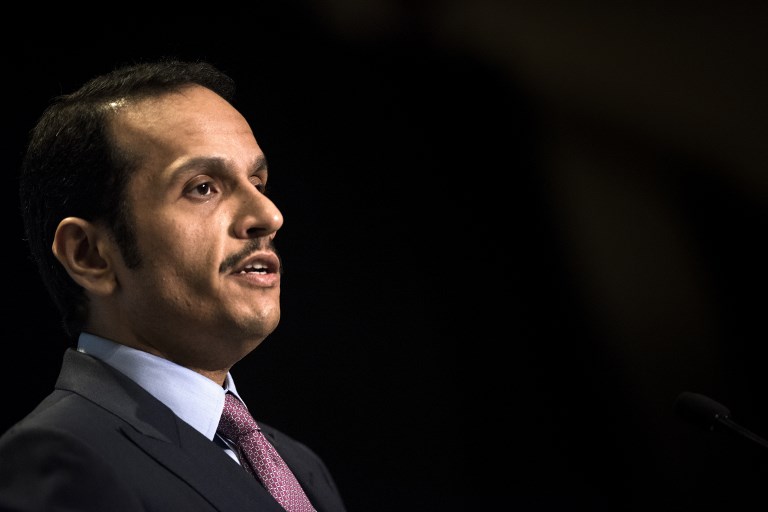
Qatar’s foreign minister, Sheikh Mohammed bin Abdulrahman Al Thani, traveled to Kuwait City on Monday carrying a handwritten note from Qatar’s ruler, Sheikh Tamim bin Hamad Al Thani, according to the news agency.
Kuwaiti and Qatari officials did not respond to questions about what the letter said.
“We are still waiting for the response from our brothers in Kuwait regarding the paper they received from Qatar,” the Emirati foreign minister said.
“Once we examine it among ourselves, we will take the decision. … We will not do it through the media, but through a Kuwaiti mediator or our own direct contacts with His Highness,” he added, referring to the Qatari emir.
Bahrain, Egypt, Saudi Arabia and the UAE are scheduled to meet Wednesday in Cairo to discuss the crisis.
“Any steps taken by these countries in case Qatar fails to respond will be taken within the framework of international law, including the procedures that sovereign states have the right to take against another country,” Sheikh Abdullah said, without elaborating.
The nations could impose financial sanctions or force Qatar out of the Gulf Cooperation Council, a regional body known as the GCC that serves as a counterbalance to Iran.
Some Arab media outlets have suggested a military confrontation or a change of leadership in Qatar could be in the offing, but officials have said those options are not on the table.
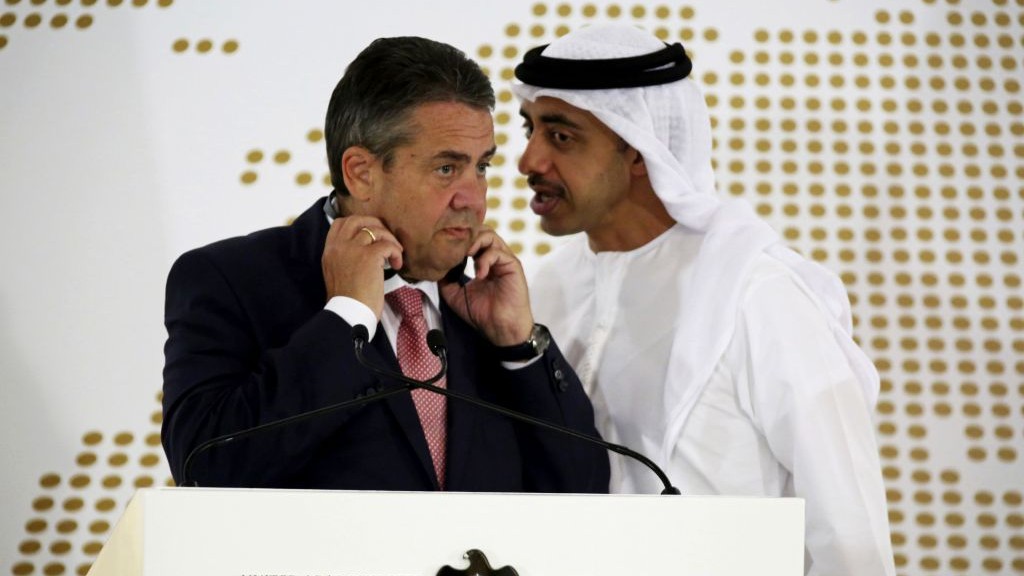
The Emirati foreign minister spoke alongside German Foreign Minister Sigmar Gabriel, who said Germany supported the UAE’s efforts at confronting those who fund extremists.
“We now have this opportunity to reach good results for the benefit of the whole region. The matter is not related only to the sovereignty of Qatar,” Gabriel said. “We have to come back to common work at the GCC and for the Europeans this is a very important matter. For us, the GCC is the guarantor of stability and security in the region.”
Copyright 2017 The Associated Press







The Times of Israel Community.