

UN peacekeepers to guard heritage sites from Islamic State
Spurred by destruction in Palmyra, UNESCO okays Italian plan to charge Blue Helmets with protecting sites in danger zones
 Add ToI as a Preferred Source on Google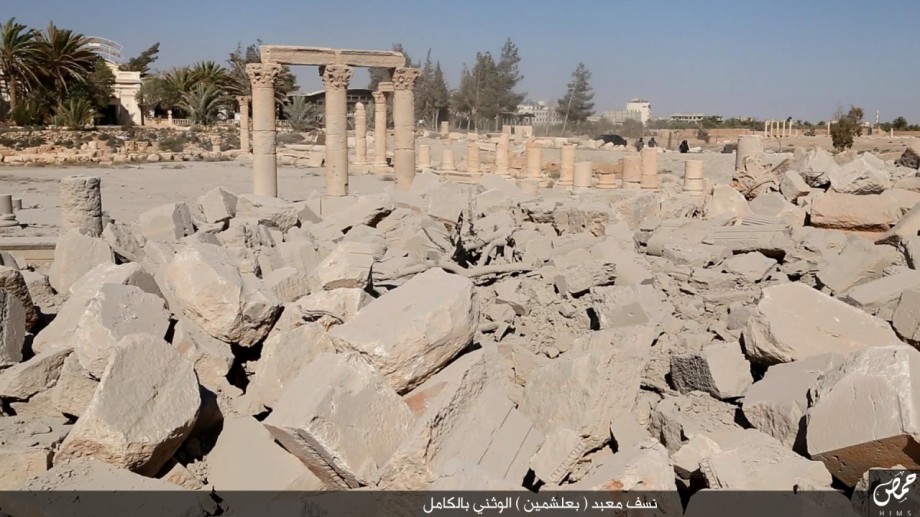
ROME — Italy said Saturday that UNESCO has approved its suggestion to have the United Nation’s famous Blue Helmets protect heritage sites around the world from attacks by Islamist militants.
“UNESCO has said yes to the Cultural Blue Helmets,” Culture Minister Dario Franceschini said in a statement, adding that 53 countries voted in favor after the destruction of sites including Palmyra in Syria by the Islamic State group.
“Faced with IS terrorist attacks and the terrible images of Palmyra, the international community cannot stand back and watch,” he said, adding that the permanent members of the security council had supported the idea.
United Nations peacekeepers, known by their distinctive blue helmets, would be able to profit from the expertise of Italy’s cultural and heritage police, “who carry out training missions around the world”, he said.
The idea is aimed at “important sites at risk from terrorist attacks, or in war zones, or zones hit by natural disasters, where the international community will be able to send Cultural Blue Helmets to protect them or defend them before they can be destroyed”.
Franceschini called for the UN to “immediately define the operational aspects of this international task force”.
IS seized control of Palmyra in May and has realized international fears by destroying some of the most prized sites in the UNESCO World Heritage listed ancient city.
The militants have carried out a sustained campaign of destruction against heritage sites in areas under their control in Syria and Iraq, including the important Iraqi sites of Hatra, Nimrud and Khorsabad, an ancient Assyrian capital.
Islamist militants are also accused of being behind attacks on ten religious and historic monuments in the UNESCO World Heritage city of Timbuktu in Mali.







The Times of Israel Community.