

Winter has come: Israel’s clocks turn back
Israelis get an extra hour of sleep as clocks turned back one hour at 2 a.m., marking end of daylight savings
 Add ToI as a Preferred Source on Google
Israel’s winter officially began early Sunday as clocks were turned one hour back at 2 a.m., which became 1 a.m.
Daylight savings time will return when days get longer again in the spring, or officially on March 25, 2017. The change in Israel this year coincides with much of Europe, although clocks in the US don’t go back until November 6.
Owners of newer smartphones (and connected smartwatches) will not have to worry about resetting their clocks, as Apple, Samsung and many other major brands provide an automatic service, alongside Israel’s major phone carriers such as Pelephone, Partner and Cellcom.
Those with older phones — much older, to be sure — may have to do the job manually. Anyone who has an iPhone 3 or older should check that the time changed properly, the Haaretz daily warned over the weekend. Owners of a Galaxy 1 or 2 or a Nexus One, or similar Android phones, should also check that they are still showing the right time. Those are all phones that went on the market in 2009-10.
In 2013, the Knesset passed legislation extending daylight savings time from the last Sunday in March to the last Sunday in October. Before that, daylight savings would end the Saturday night before Yom Kippur, so that the day’s fast, which is pegged to nightfall, would seem to end an hour earlier.
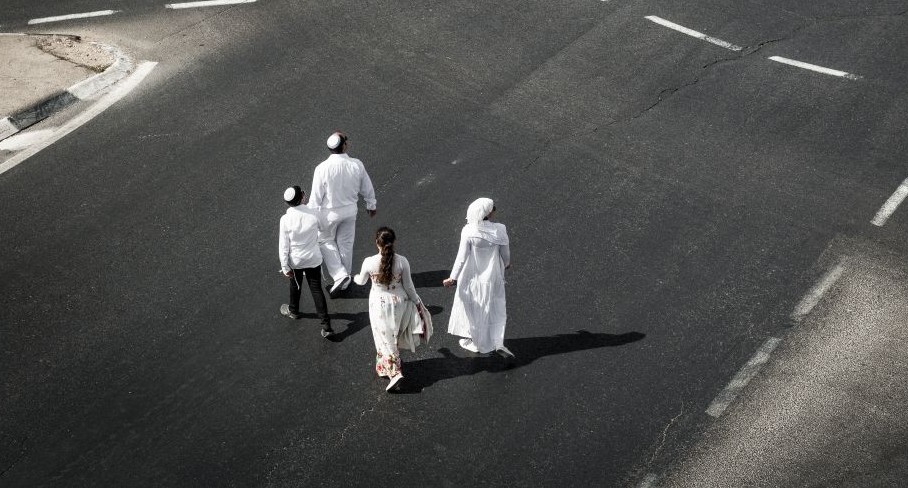
Because the Hebrew calendar is a lunar one corrected via extra leap-year months to the solar cycle, Yom Kippur can fall anywhere between mid-September and mid-October, which used to mean that Israelis returned to standard time as much as a month and a half before most other countries, where daylight savings time usually ends on November 1.
As a result, the issue of the seasonal time transition became contentious among Israelis, and was caught up in political tensions between haredi parties and their non-haredi counterparts.
Religious parties generally pushed for the early time change to ease the Yom Kippur fast, which lasts from sundown to sundown, and some secular activists protested that the change was unnecessarily inconvenient and expensive. They pointed to a relatively early loss of daylight hours and a resultant rise in electricity bills, as well as a greater number of car accidents as people who would otherwise drive home from work in daylight were doing so in darkness.








The Times of Israel Community.