

Here we go round the mulberry bush
Mulling over a bountiful fruit tree, currently in season
 Add ToI as a Preferred Source on Google
Phyllis Glazer is an American-born food journalist based in Tel Aviv, Israel. She is the author of several cookbooks that have been published in Hebrew, German, and Italian, and appears frequently on television and radio in Israel.
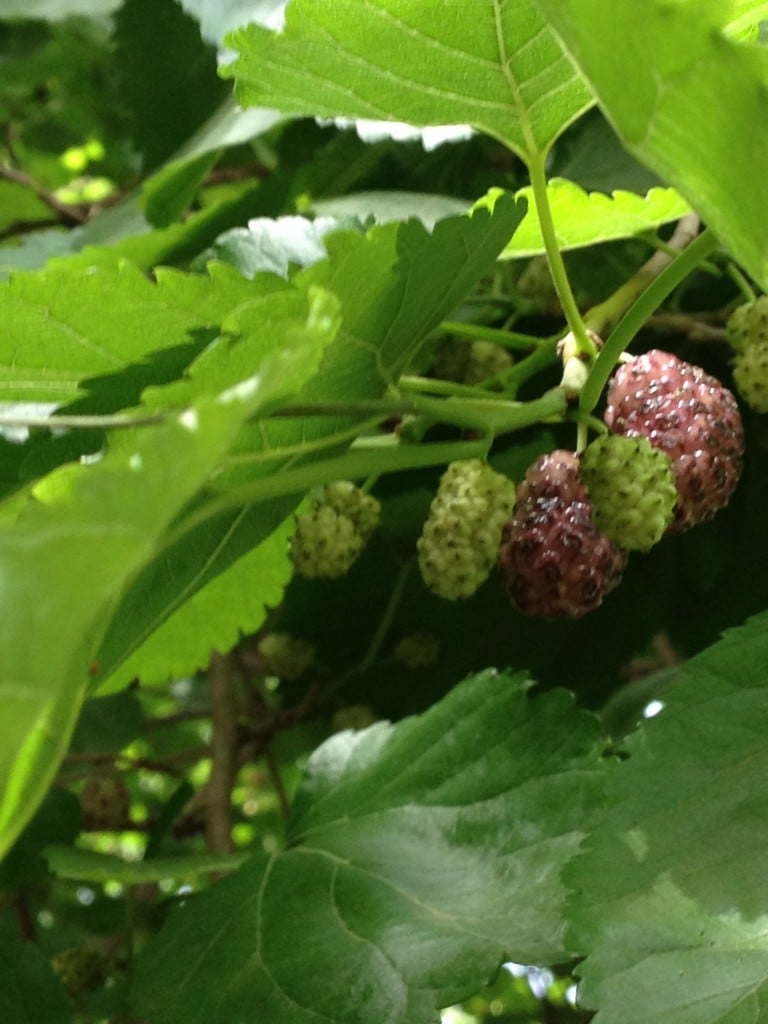
There is a mulberry tree growing in the yard of the building in which I live in Tel Aviv, planted in 1936 by the father of my upstairs neighbor. A city engineer by profession, who also built this originally two-story home for his family, he never lived to enjoy its fruits, as he was one of the 137 people who perished when the Italians bombed Tel Aviv in September 1940 during World War Two. Yet every year around this time, the boughs of the mulberry tree are filled with luscious, ripe mulberries in tribute to his memory.
His daughter Nira, now 86 and ailing, no longer picks mulberries To her the tree is more of a nuisance, attracting flies and creating a mess. But for generations, this same mulberry tree was a source of refreshment and amusement for the children at the nearby neighborhood school, and for me as well.
I had never seen a mulberry tree before I moved to Israel in the late 1970s, but in the first years I lived here, my daughters and I would scamper happily up the tree to collect the juicy black berries for mixing into pancakes and muffins. This year, I discovered that no climbing is necessary, as the fruit-laden branches have grown right up to the window of my study.
Tootei-etz, or tree berries, as they are called in Hebrew, and which have grown here since ancient times, are low in calories (100 grams = 43 calories) and rich in vitamin C, vitamin E, calcium, copper, iron, magnesium, and the antioxidant phytonutrients lutein and zeazanthin. They have significantly high amounts of phenolic flavonoid phytochemicals called anthocyanins and resveratrol, another polyphenol flavonoid antioxidant that has been found to protect against the risk of stroke.
Most people eat the berries as-is, picking them off the tree, but they make a wonderful addition to baked goods. I also create my own version of prized fruit vinegar (cheaper than the pricey fruit vinegar usually made from raspberries), by simply adding a handful of my free mulberries to a bottle of white or red wine vinegar (the commercial products usually add sugar as well), and letting them steep in the liquid in a dark place for at least a week before using it. The longer the berries sit, the better, and there’s no need to strain the vinegar unless you like it perfectly clear.
Whether or not you’re picking your own free berries or buying the local, expensive blueberries, blackberries and raspberries in season, here’s a tip a friend sent me to delay spoilage and kill mold spores: Prepare a mixture of one part apple cider vinegar and 10 parts water, and gently add the berries (mulberries are particularly delicate, so eat the fragile ones and use this method only for the firmer ones). Drain well and store covered in a container lined with a paper towel to absorb moisture (you won’t taste the vinegar).
Bon appetit and betayavon.










The Times of Israel Community.