

There may be blood
Much like the movie, fights over land and oil are not expected to end well
 Add ToI as a Preferred Source on Google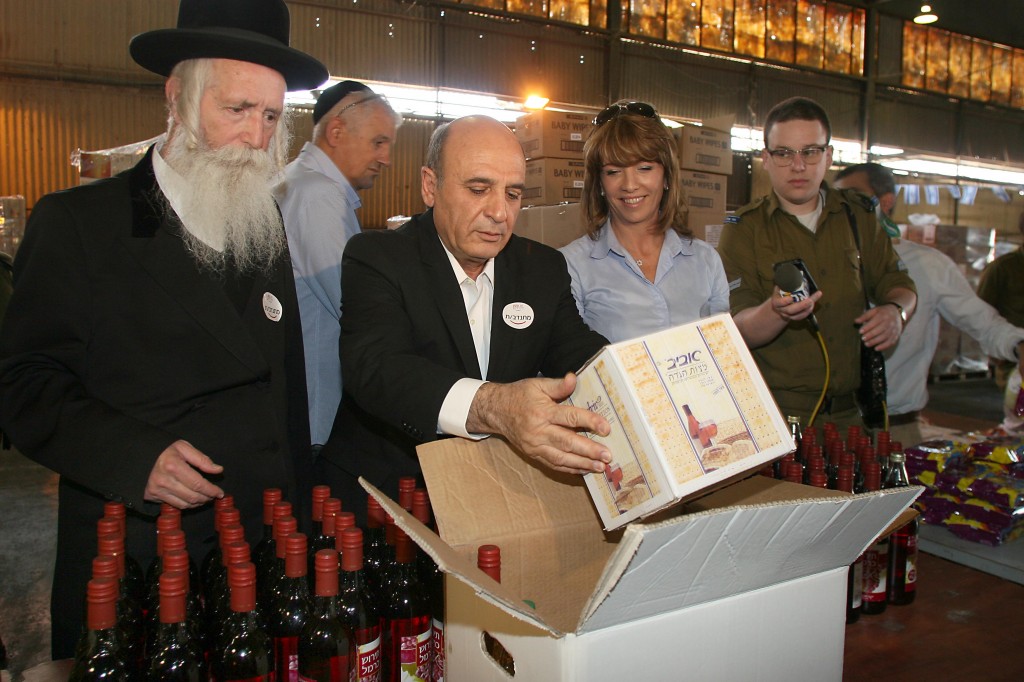
The price of gas in Israel in on the rise again and the four daily newspapers use the opportunity to explore Israel’s ever increasing cost of living.
Yedioth Ahronoth’s front-page headline is “The Leap,” with a box next to it showing the price of gas has risen to NIS 8.15 per liter and electricity will jump by 8.9%. The inside article warns that in addition to gas and electricity on the rise, the price of water will also increase. The two-page layout splashes a lot of graphics across the page showing the difference in prices in electricity and fuel over the past year and a half.
Israel Hayom’s coverage is similar to that of Yedioth’s with the addition of a graph showing how the price of gas in Israel compares to countries around the world. Of the 10 countries listed, Israel is in the middle, with the United States having the lowest fuel prices and Norway the most expensive.
Maariv uses the price increase as a way to introduce the results of a survey it conducted and found that 68% of Israelis are not happy with the way Prime Minister Netanyahu has handled the economy. The headline reads, “The only threat to Netanyahu: Summer protests,” but the survey finds that he would handily defeat any opponent.
Haaretz’s coverage of the price increase includes a dry article about the price increase and how Netanyahu will meet with government ministers to find possible solutions to the 20 agarot jump in fuel prices.
Land oh!
The expected protests throughout the Middle East and especially on Israel’s borders also captures the attention of the major papers, with Maariv’s gigantic headline, “Borders on alert.” Despite the headline size, the short article doesn’t offer any surprising details other than that the chief of the Lebanese army arrived at the border yesterday to ensure that there were will not be any incidents.
Israel Hayom reports on how Jerusalem has warned both Syria and Lebanon to prevent protesters from reaching the borders. The article reports that the IDF is on its highest alert ahead of the protests and last night in Jerusalem a Molotov cocktail was thrown at a bus, damaging the bus but not injuring any of its passengers.
Haaretz uses its front page to report on a different type of land story, the revelation that the Civil Administration has been setting aside hundreds of thousands of dunams in the West Bank for possible settlement expansion. The report examines the maps of the Civil Administration, which were created in secret and only released after a Freedom of Information Act petition was filed. The report claims that the Civil Administration, which is part of the defense department, chose the route of the border fence not based on security needs but on the basis of available land.
Kadima is still in the news, with a smiling Tzipi Livni making the front page of Yedioth Ahronoth. The article on page 7 tells how Shaul Mofaz and Livni are trying to adjust to the “new status”. Mofaz helped package groceries for the needy while Livni simply stated, “What doesn’t kill you makes you stronger.” Yair Lapid entered into the mix and said that he and Tzipi Livni will not be joining forces.
Maariv reports on page 10 on that the dairy giant Tnuva had a 90% drop in profits for the past year. Reasons cited for the drop were the reputation hit the company took during the summer protests (which started as a boycott of Tnuva because of the high prices of its cottage cheese) and a failure of its Romanian milk division.
Other economic news in the papers includes the disclosure of bank fees and the profit that Israeli banks earned this year. In a page 6 story, Haaretz describes how the five biggest banks in Israel grew by 6% last year and made billions of shekels. The bank that earned the most was Bank Hapoalim, which earned NIS 2.75 billion in net profit.
Israel Hayom is the only paper to publish more than just a picture of the meeting between Netanyahu and Gilad Shalit. The article show Netanyahu posing with the Shalit family and the headline quoted the prime minister saying to Gilad: “We see that you’ve returned to life.”
Yedioth Ahronoth has a feel good story on page 11 about children finding stolen goods and returning them to their owner. The story, “Children are truly treasure,” describes how three kids found a wallet and a diamond necklace while out playing in a field. With a little detective work they found the owner and returned it to her, who shed tears of joy.
Is anyone listening?
Haaretz’s op-ed implores Jerusalem to listen to jailed Palestinian leader Marwan Barghouti. Barghouti called on the Palestinians to break off all contact with Israel, including negotiations and security arrangements, and boycott Israel. The op-ed calls on the Israeli government to take its head out of the sand and listen to Barghouti, who urges non-violence resistance. Otherwise if the government continues to ignore the Palestinians and another round of violence breaks out, Israel shouldn’t be shocked because Barghouti warned us.
In Israel Hayom, Dan Margalit writes that the “US is firing on Israel” — based on the recent reports of American pressure against an Israeli attack on Iran. Margalit is upset over the recent public outcries against an Israeli attack because they lessen the fear factor for Iran and without that fear the possibility of resolving the situation without an attack lessens. He concludes by repeating the Roman adage, “If you want peace, prepare for war,” but states that in Washington they don’t study Latin.







The Times of Israel Community.