

9 in 10 complaints against police dismissed, watchdog finds
State comptroller says thousands of allegations received by Internal Investigations Department each year aren’t even reviewed
 Add ToI as a Preferred Source on Google
Marissa Newman is The Times of Israel political correspondent.
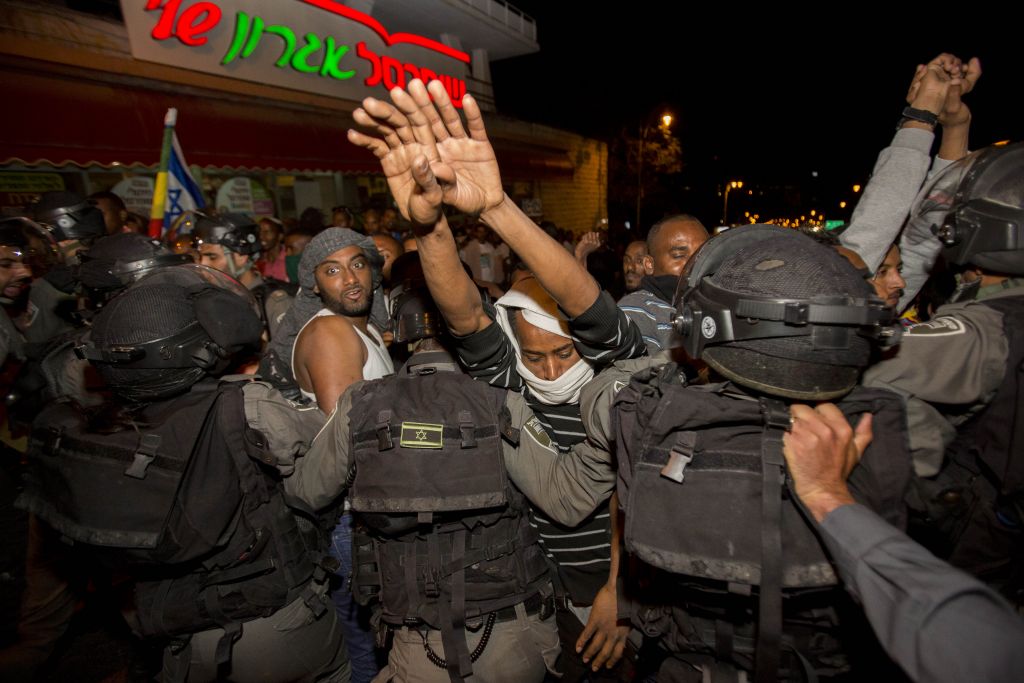
Some 90 percent of complaints against police were dismissed by the Justice Ministry’s Police Internal Investigations Department in 2015 without charges, while “thousands” of allegations — primarily of excessive force — were shelved without even preliminary review, according to a state comptroller report published on Wednesday.
State Comptroller Yosef Shapira also criticized the PIID, founded in 1992 to independently investigate alleged police misdeeds, for failing to hand over materials to the Israel Police’s Disciplinary Department in cases where criminality was ruled out.
In 2015, the PIID received 4,241 civilian complaints against police, primarily on charges of brutality, the report said. As a result, some 600 police officers were questioned under caution and 22 were suspended that year. But just 102 police officers stood trial, and 85 were disciplined, while the remaining 4,054 cases were closed. Some 1,158 complaints were dismissed immediately due to the department’s “lack of authority,” as it is tasked only with taking on cases of suspected crimes that carry more than one year of jail time.
“Due to the shortcomings of the overall system of treating police offense — today, thousands of citizens’ complaints and inquiries regarding the behavior of policemen do not even receive even a preliminary examination — it is fitting that the PIID consult with the attorney general to establish the policy in cases of force by police officers against citizens,” the ombudsman report said.
The PIID welcomed the report, but attributed some of its failings to a lack of manpower.
“It should be emphasized that the Internal Investigations Department acts with very limited manpower and therefore in order to fully implement these recommendations, we must significantly boost the manpower in the department,” it said in a statement Wednesday.
Also citing its limited purview, the department defended its decision not to probe most of the complaints, as it “is authorized only to investigate cases in which there is a suspicion of a crime by a police officer with a punishment of over one year’s imprisonment.”
During 2015, the PIID also received 2,079 files of “police evidence” that were not attached to citizen complaints to the PIID. Such files “are opened on the basis of investigation materials that are received from various police units, and among them claims by citizens questioned under caution by police that they were subjected to excessive violence by police,” the report said. However, since no official PIID complaints were lodged against officers in those cases, the ministry’s department failed to follow up independently on the evidence, the report said.
“The vast majority of these police evidence files, in the absence of a complaint, are closed without treatment,” it said.
In its statement, the PIID doubled down on its decision not to follow up on those claims by suspects.
“Naturally, in many of these cases these are false claims intended as a manipulative pressure tactic to advance the interests of the citizen who is in trouble with the law,” it said. “All the claims are automatically handed over to the PIID from the police… Upon receipt of the materials, the PIID invites the complainants to file a detailed complaint, which is an essential condition to open a criminal investigation. If the citizen doesn’t respond to the request to submit his detailed statement in a certain period of time, the material is shelved due to lack of cooperation.”
In the report, Shapira also noted that when cases are closed, the PIID largely fails to hand over the files to the police internal disciplinary department to pursue disciplinary action, draw conclusions on brutality within the force, or keep tabs on the accused.
“Only in a few cases in which the PIID closed a case against a police officer in 2015 who had been questioned under caution was the material handed over to the police for evaluation and to consider taking various disciplinary measures,” it said. “The PIID gave police 23 files, which is just six percent of the files that the PIID investigated under caution and closed.”
The report was released days after a police officer submitted his resignation amid a public outcry generated by footage of him beating an East Jerusalem truck driver last month, apparently unprovoked. And it comes as the department investigates an incident in Umm al-Hiran in January, in which a Bedouin man and police officer were both killed. Although the incident was initially described by police as a terror attack, video footage and eyewitnesses have cast considerable doubt on that account, raising the distinct possibility that officers opened fire without sufficient cause.
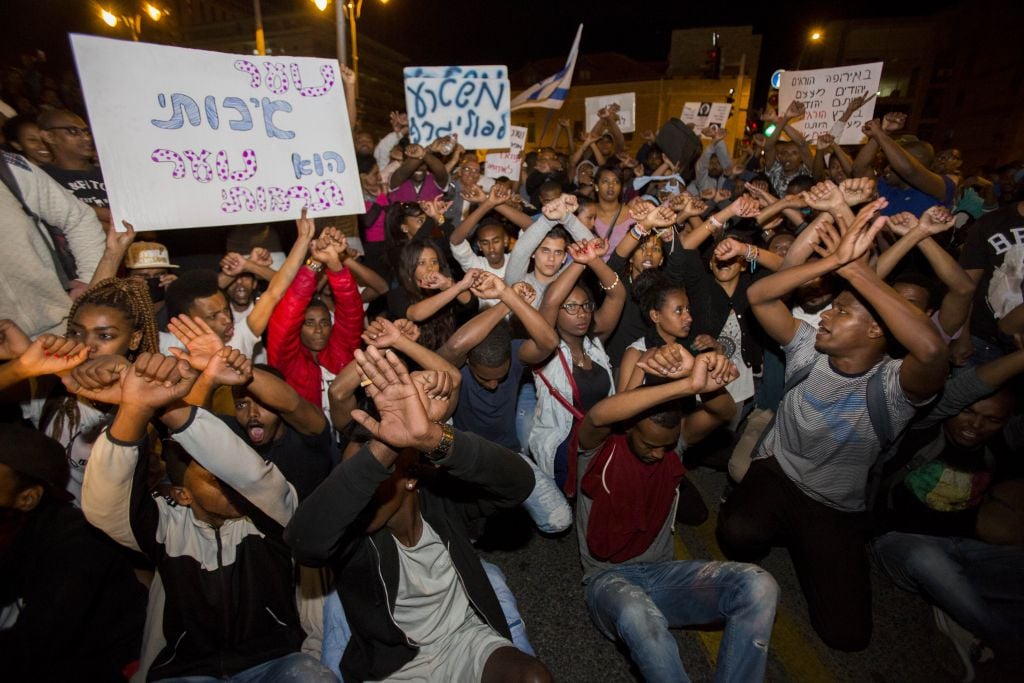
Another high-profile case was the filmed beating of an Ethiopian Israeli IDF soldier last year. That incident sparked nationwide protests by the Ethiopian Israeli community, which has long accused the police of systemic discrimination and racism. The police officer was offered a deal by the Justice Ministry last month, under which he would admit wrongdoing to avoid a trial.
On Monday, two Border Police officers were indicted in the Jerusalem Magistrate’s Court after the Police Internal Investigations Department recommended they stand trial on suspicion of assaulting an Israeli-Arab bystander they believed was responsible for a stabbing attack in the Old City.










The Times of Israel Community.