

Abbas, former Gaza strongman Dahlan urged to mend fences
Dahlan supporters will run on Fatah lists in upcoming Palestinian local elections, but antagonism remains as Arab leaders call for reconciliation

 Add ToI as a Preferred Source on Google
Avi Issacharoff, The Times of Israel's Middle East analyst, fills the same role for Walla, the leading portal in Israel. He is also a guest commentator on many different radio shows and current affairs programs on television. Until 2012, he was a reporter and commentator on Arab affairs for the Haaretz newspaper. He also lectures on modern Palestinian history at Tel Aviv University, and is currently writing a script for an action-drama series for the Israeli satellite Television "YES." Born in Jerusalem, he graduated cum laude from Ben Gurion University with a B.A. in Middle Eastern studies and then earned his M.A. from Tel Aviv University on the same subject, also cum laude. A fluent Arabic speaker, Avi was the Middle East Affairs correspondent for Israeli Public Radio covering the Israeli-Palestinian conflict, the war in Iraq and the Arab countries between the years 2003-2006. Avi directed and edited short documentary films on Israeli television programs dealing with the Middle East. In 2002 he won the "best reporter" award for the "Israel Radio” for his coverage of the second intifada. In 2004, together with Amos Harel, he wrote "The Seventh War - How we won and why we lost the war with the Palestinians." A year later the book won an award from the Institute for Strategic Studies for containing the best research on security affairs in Israel. In 2008, Issacharoff and Harel published their second book, entitled "34 Days - The Story of the Second Lebanon War," which won the same prize.
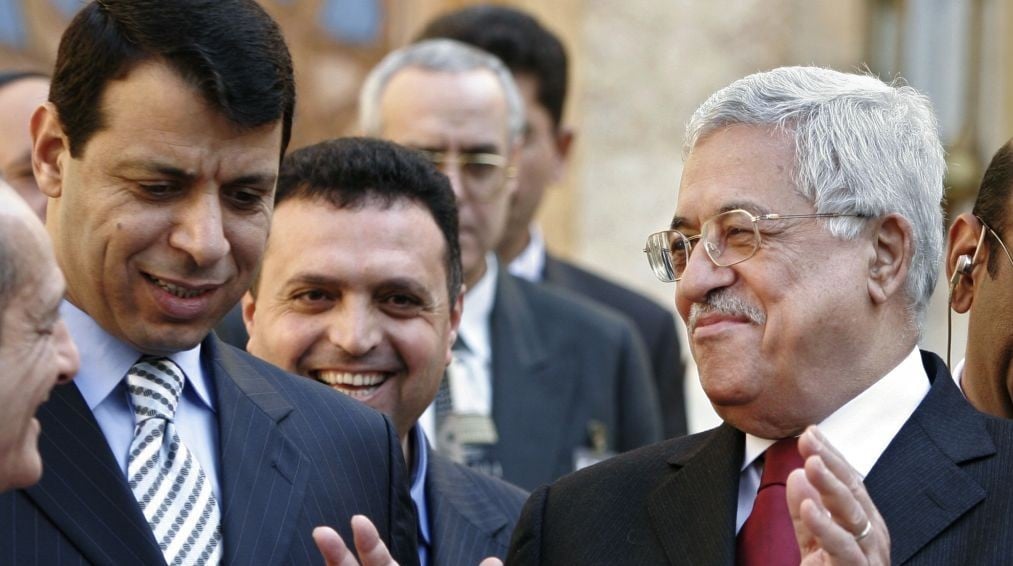
Arab leaders have recently been pressuring the Palestinian Authority and its leader Mahmoud Abbas to patch up differences within Fatah and make peace with former Gaza strongman Mohammad Dahlan.
Among the heads of state who have weighed in are Egyptian President Abdel-Fattah el-Sissi, Jordan’s King Abdullah, King Salman of Saudi Arabia, and United Arab Emirates President Khalifa bin Zayed Al Nahyan.
Dahlan is regarded as close to the UAE’s ruler and the Egyptian president, and his name is mentioned — mainly by Israeli commentators — as a contender to replace Abbas when the time comes.
In response, Fatah’s Central Committee has resolved to consider readmitting to its ranks several dozen senior Fatah figures expelled for their links to Dahlan. But they have not yet agreed to readmit Dahlan himself, who was kicked out of the Gaza Strip in 2011 after a feud with Abbas.
Indeed, despite Arabic media reports about possible reconciliation within the Fatah movement, senior figures within the Palestinian Authority (PA) say there is still quite some way to go.
Dahlan — who today lives in the UAE — was once regarded as one of Fatah’s most prominent figures.
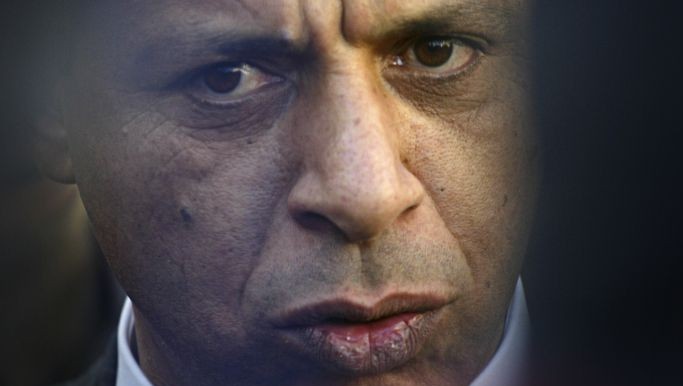
Since his expulsion from Gaza, he has continued to criticize Abbas’s policies and even to fund projects in the West Bank and Gaza in a bid to strengthen his own status, moves seen by Abbas’s supporters as a continuing effort to one-up the PA president.
During preparations for local elections in the West Bank and Gaza in October, candidates linked to Dahlan have avoided running on slates other than those of Fatah, a move seen as a positive step toward reconciliation with Abbas.
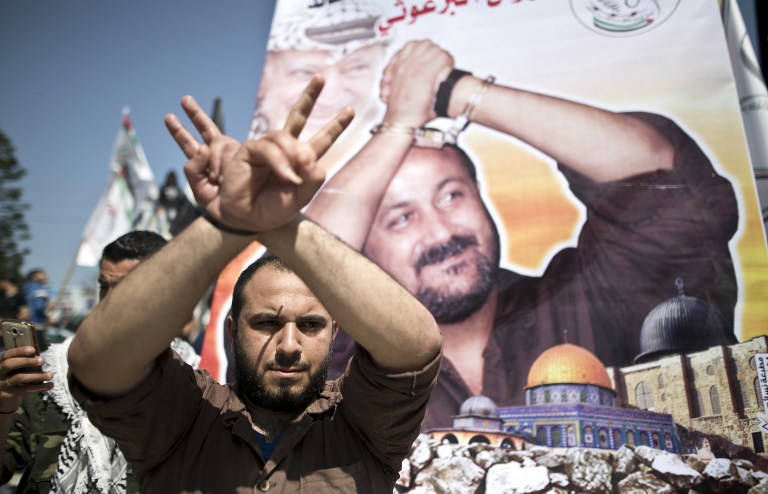
The new reconciliation calls likely constitute an attempt to push Dahlan as the successor to the octogenarian Abbas, but Dahlan’s many disputes with other Fatah leaders suggest he will still struggle to secure his position. Dahlan himself recently threw his support behind the candidacy of Marwan Barghouti, who is serving five life sentences in an Israeli prison for murder, to replace the aging Abbas.





The Times of Israel Community.