

After Israeli recognition, Somaliland marks ‘1st Ramadan when the world knows us’
‘I love Israel so much,’ says young woman near memorial for Mogadishu’s destruction of Hargeisa; local official: We feel for Palestinians, but it’s Somalia that wants to kill us
 Add ToI as a Preferred Source on Google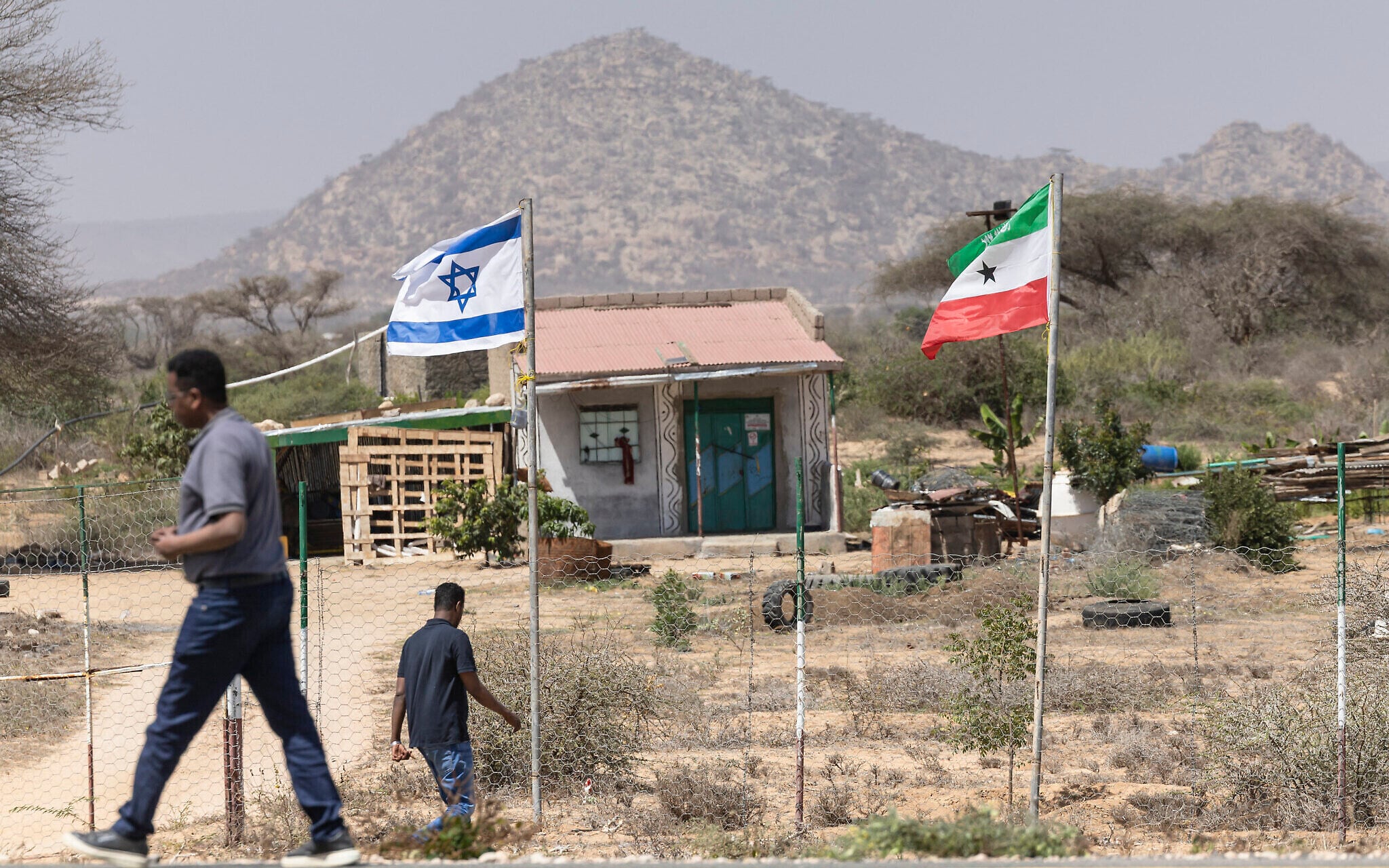
HARGEISA, Somaliland — “I love Israel!” The words are rarely heard together in the Muslim world, but have become a common phrase in Somaliland, the breakaway region of Somalia.
Israel in December became the only country in the world to recognize Somaliland’s independence — something the territory has been seeking since declaring its autonomy from Somalia in 1991.
As Ramadan started this week in the deeply Muslim territory, almost all its citizens — young and old, men and women — were happy to sing Israel’s praises, even as most of the Muslim world focuses on allegations, angrily rejected by Israel, of genocide and war crimes against Palestinian following the Hamas-led onslaught of October 7, 2023, that sparked the war in Gaza.
Somalilanders, meanwhile, are more concerned with atrocities committed by Somalia during their war of independence in the 1980s, which, Somalilanders say, no Muslim country has ever condemned.
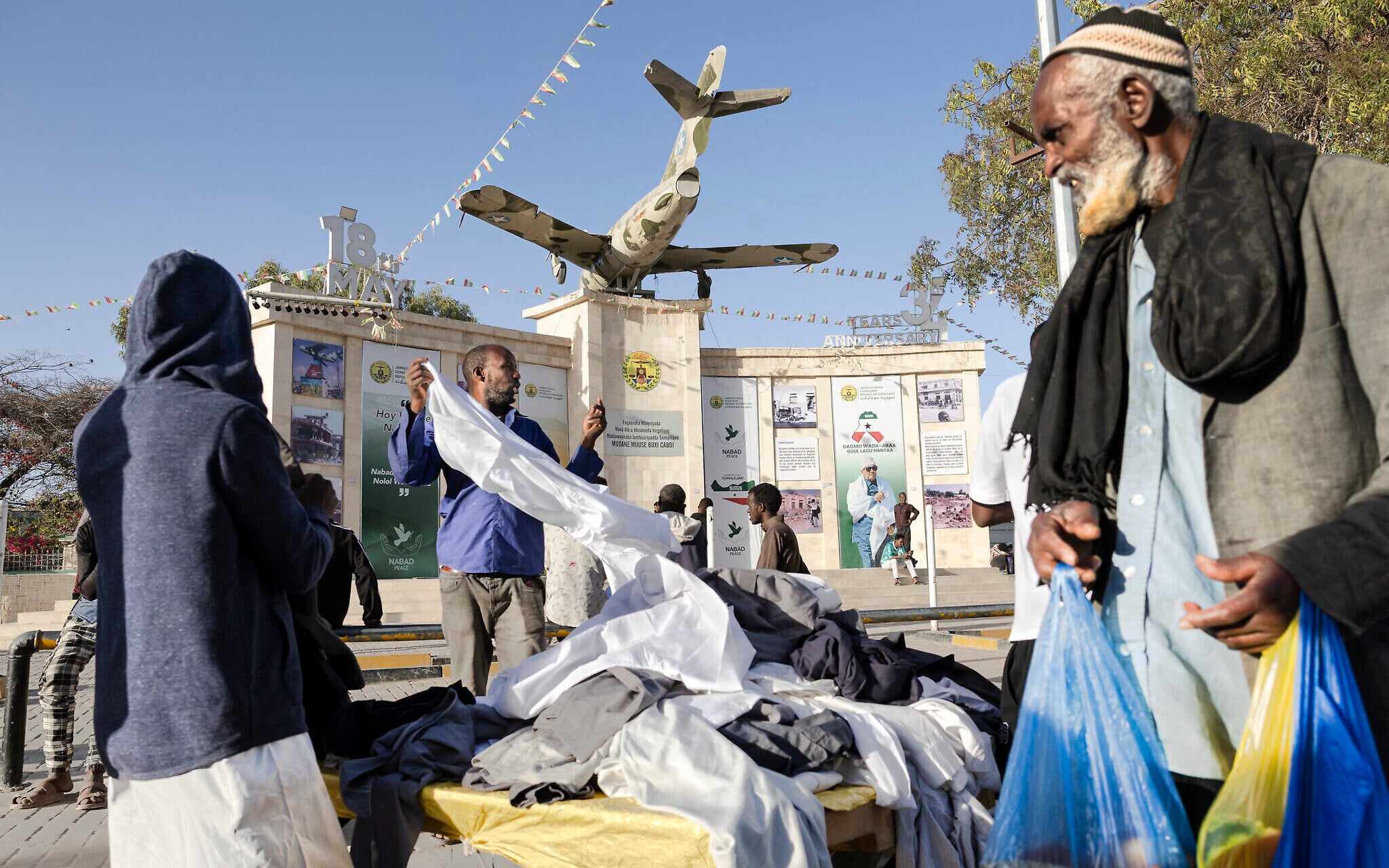
In the central square of the capital Hargeisa, an old Soviet MiG sits atop a memorial — one of the fighter jets used by Somalia’s then-president Siad Barre’s forces in a bombing campaign in 1988-89 that destroyed some 70 percent of the city.
“We were waiting for recognition for 35 years. This is the product of our grandparents who fought in the war,” said Ahmed Abiib Ibrahim, a 20-year-old student in the square.
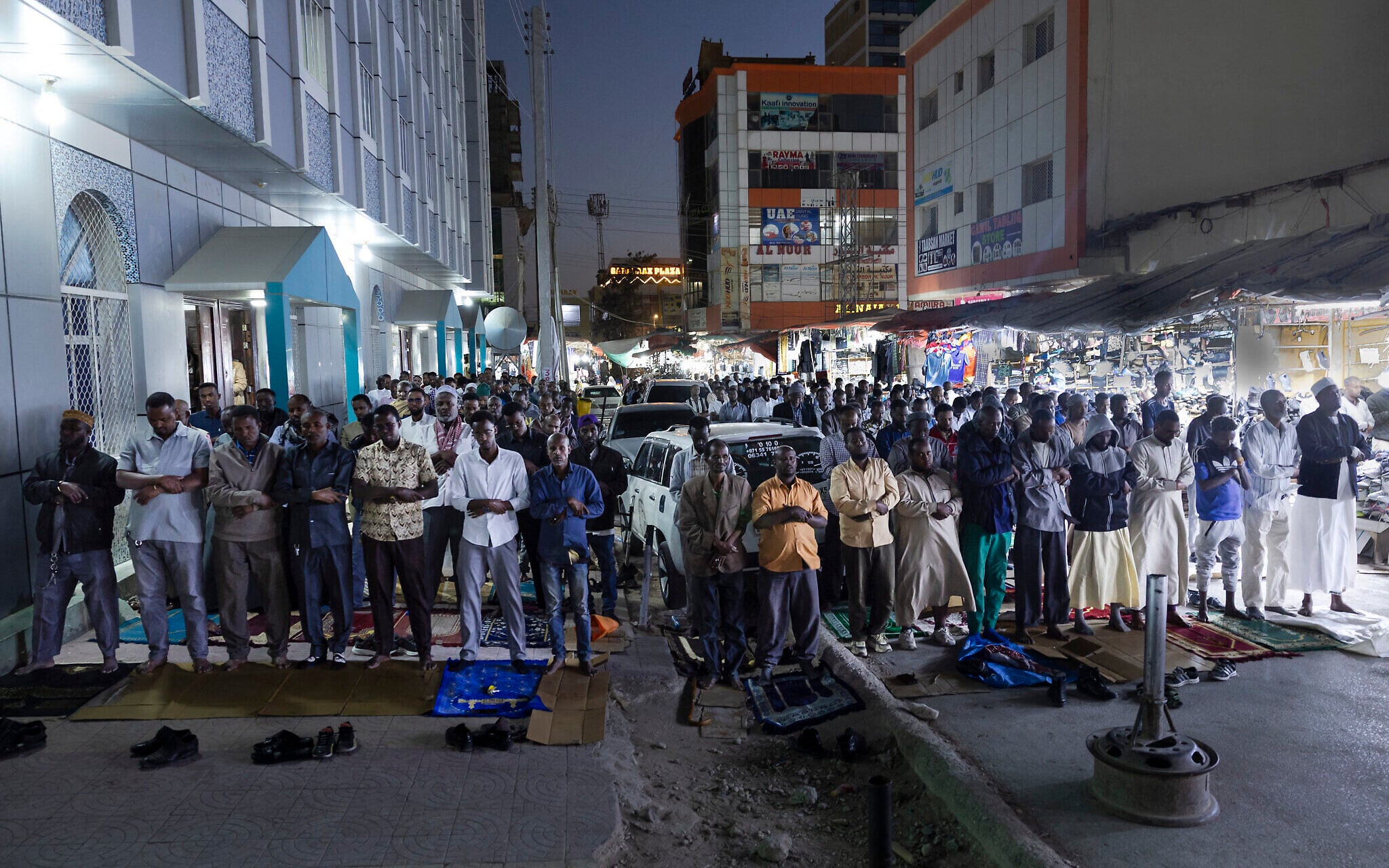
“It is the first Ramadan when the world knows us,” added 22-year-old Muna Ali, finishing her day at a nearby travel agency.
“I love Israel so much,” she said, smiling in her head-to-toe black abaya.
Filling his water tank at a petrol station outside the city, truck driver Abdilrashiid Adam Jamac told AFP he now had an Israeli flag hanging in his home.
“I will think of Israel during Ramadan… The Jews are my friends. Are Muslims helping us? No!” he said.
Shortly after Somaliland’s recognition at the end of December, social media was flooded with photos of men and women displaying the Israeli flag, one of them even using it as a hijab.
Somali President Hassan Sheikh Mohamud, on the other hand, denounced it as “the greatest violation of Somalia’s sovereignty” and a “threat to the security and stability of the world and the region.”
Strategic battleground
The government in Mogadishu still considers Somaliland an integral part of Somalia, even though the territory has run its own affairs since 1991, with its own passport, currency, army and police force.
Somaliland also stands out for its relative stability compared to the rest of the country, which has been plagued by Islamist insurgencies and clan conflicts for decades.
No Muslim country has followed Israel’s lead for now, many fearing it could provoke secessionists in their own lands.
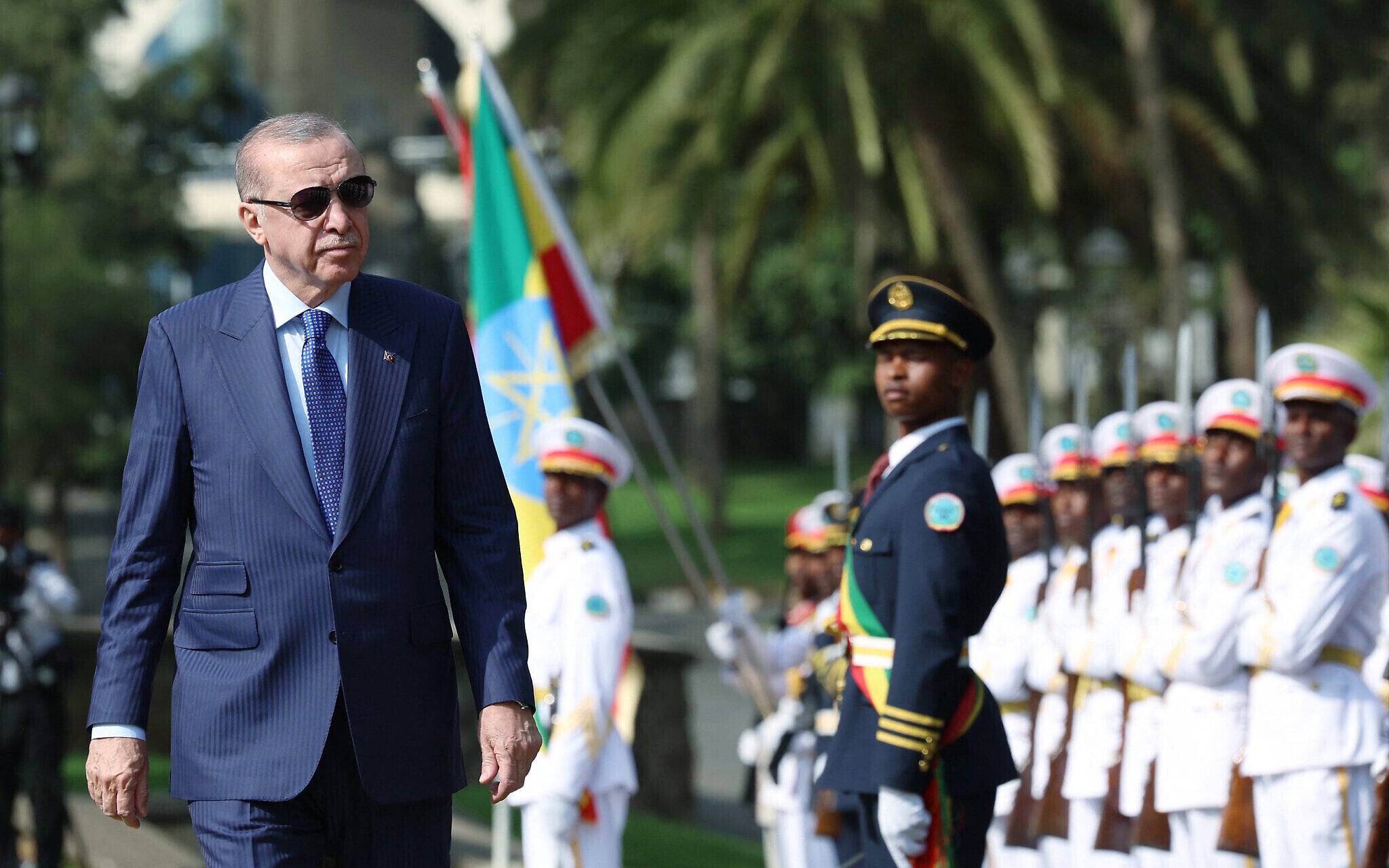
“Israel’s recognition of Somaliland benefits neither Somaliland nor the Horn of Africa,” Turkish President Recep Tayyip Erdogan said during a visit to Ethiopia on Tuesday.
The Horn of Africa, situated between the Indian Ocean and the Suez Canal on one of the world’s busiest trade routes, has become a strategic battleground for regional powers in the Gulf and beyond, forcing many to look beyond their previous concerns.
Many see the United Arab Emirates, which operates a major port in Berbera in Somaliland, as a key player behind Israel’s recognition. The UAE was one of four Muslim nations that normalized relations with Israel in 2020 as part of the US-brokered Abraham Accords.
A Somaliland official, speaking on condition of anonymity, told AFP that Somalilanders had raised $2 million for Palestinians during last year’s Ramadan, but they had to focus on their own concerns.
“Palestinians, we feel for them, but… it’s our brothers from Somalia who want to kill us,” he said.
Times of Israel contributed to this report.

The Times of Israel Community.