

As rockets paralyze half the country, was eliminating Abu al-Ata worth it?
IDF says slain Islamic Jihad terror chief was behind most attacks from Gaza in recent months and was planning more, but high cost of killing him, conspicuous timing raise questions

 Add ToI as a Preferred Source on Google
Judah Ari Gross is The Times of Israel's religions and Diaspora affairs correspondent.
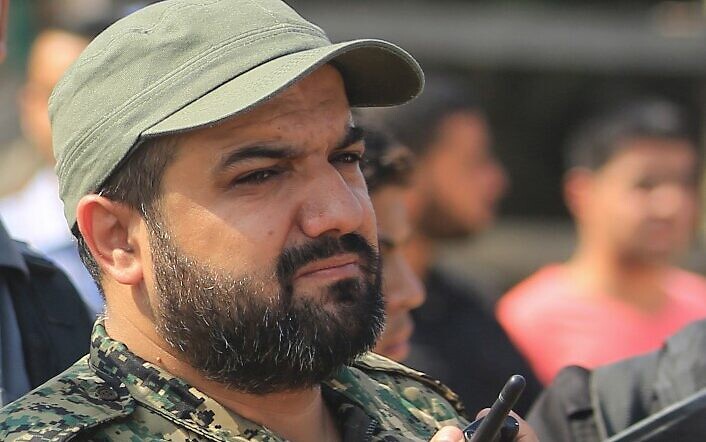
The assassination of Palestinian Islamic Jihad top commander Baha Abu al-Ata in the predawn hours of Tuesday morning prompted a massive retaliation by the Iran-backed terror group, which immobilized large parts of the country for two days, raising serious questions about the utility of such a targeted killing.
The conspicuous timing of the strike also prompted harsh criticism in some opposition quarters of Prime Minister Benjamin Netanyahu, who was accused of ordering the assassination in order to force his political opponent, Benny Gantz, to scuttle plans to form a coalition without Netanyahu’s Likud party, though Gantz firmly backed the operation.
By all accounts, Abu al-Ata represented the precise type of terrorist figure to warrant a so-called “targeted killing.”
Undisciplined and vicious, the PIJ leader was a thorn in the side not only of Israel, but also of Hamas, as his attacks frequently derailed the Gaza-ruling terror group’s efforts to stabilize conditions in the beleaguered, impoverished enclave.
Though some Israeli politicians have insinuated Abu al-Ata was acting on the orders of Iran, which backs the Islamic Jihad, military officials said they believed he was “more a local terrorist who acted unchecked.”
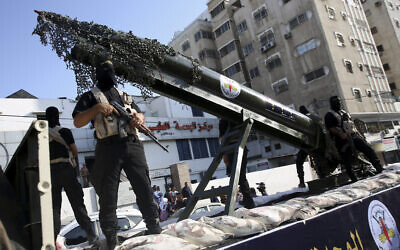
According to the Israel Defense Forces, Abu al-Ata was responsible for most of the rocket attacks emanating from the Gaza Strip over the past year, including one in September that forced Netanyahu offstage at a campaign rally. The military said he was also in the midst of planning a fresh terror attack along the Gaza border to be carried out in the coming days, which would combine sniper fire or an improvised explosive device attack on the border with rocket fire, making him a “ticking bomb.”
According to Israeli defense officials, Abu al-Ata served as a major obstacle to ongoing efforts to reach a long-lasting ceasefire agreement with the Gaza-ruling Hamas and other terror groups in the Strip.
“Decapitating Palestinian Islamic Jihadist Abu al-Ata was rightful and necessary, as he was planning terror attacks [and] undermining security and Gaza stabilization efforts,” former Military Intelligence chief Amos Yadlin, a former Labor candidate for defense minister, wrote in a tweet Tuesday.

But will it pay off?
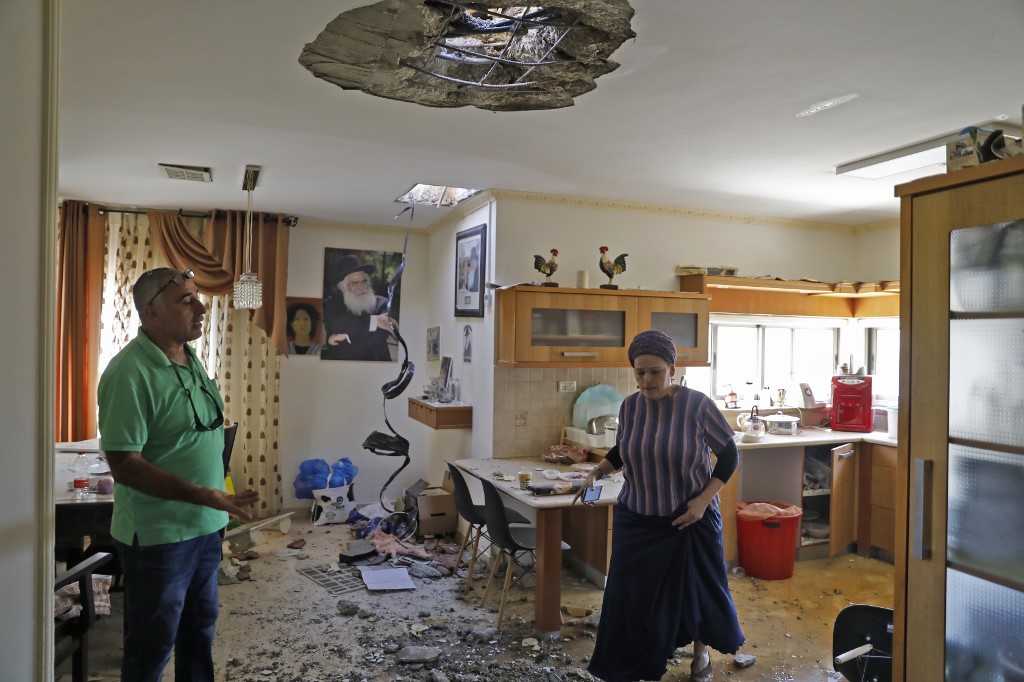
In immediate terms, the killing of Abu al-Ata appears to have more costs than benefits. The border attack he was planning would be unlikely to match the intensity of the waves after waves of rocket barrages that forced the closure of Tel Aviv schools on Tuesday for the first time since the 1990 Gulf War and the ongoing shuttering of schools and businesses in southern Israel on Wednesday and into Thursday.
Though there have been relatively few people physically injured by the constant rocket strikes from the Gaza Strip — thanks to effective use of the Iron Dome defense system, Israelis’ disciplined adherence to the warnings of the IDF Home Front Command and a degree of luck — the past two days of fighting have come at a significant price economically and psychologically, and represent a massive interruption of hundreds of thousands of Israelis’ lives.
“Israel has been waging a decades-long war against various terrorist organizations and has repeatedly used the method of targeted assassination. Sometimes it works, sometimes it doesn’t. And yes, you know that there will be an immediate attack, but it’s part of a long-term effort to handle the situation,” former deputy national security adviser Chuck Freilich told The Times of Israel.
With Abu al-Ata killed, and thus out of the way, Israel potentially has a better chance of reaching such a ceasefire agreement with Hamas. However, this is in no way certain. While Hamas has so far stayed out of the fighting, it has threatened to get involved and use its ample arsenals of rockets and drones and its naval commando forces to turn this battle into a yet more serious conflict.
Israel has been signaling to Hamas both publicly and through third parties that it is not interested in fighting the terror group at this time and will refrain from striking its facilities if it keeps out of the battle.
Freilich recommended Israel try to end this bout of fighting as quickly as possible and “minimize and contain the conflict with Gaza” in order to focus on the larger threats posed by Iran and its proxies to Israel’s north.
“The only real goal is to manage the crisis and keep a lid on it,” Freilich said. “The Gaza issue will be with us for a long time and any attempts to ‘resolve’ it, as the new Defense Minister Naftali Bennett has called for, will prove far more costly than the threat itself. This is the nature of asymmetric warfare.”
A warning to Israel’s enemies
In addition to potentially advancing a long-term ceasefire agreement with Gazan terror groups, the assassination of Abu al-Ata also serves as a warning to Israel’s other enemies in the Strip and farther away.
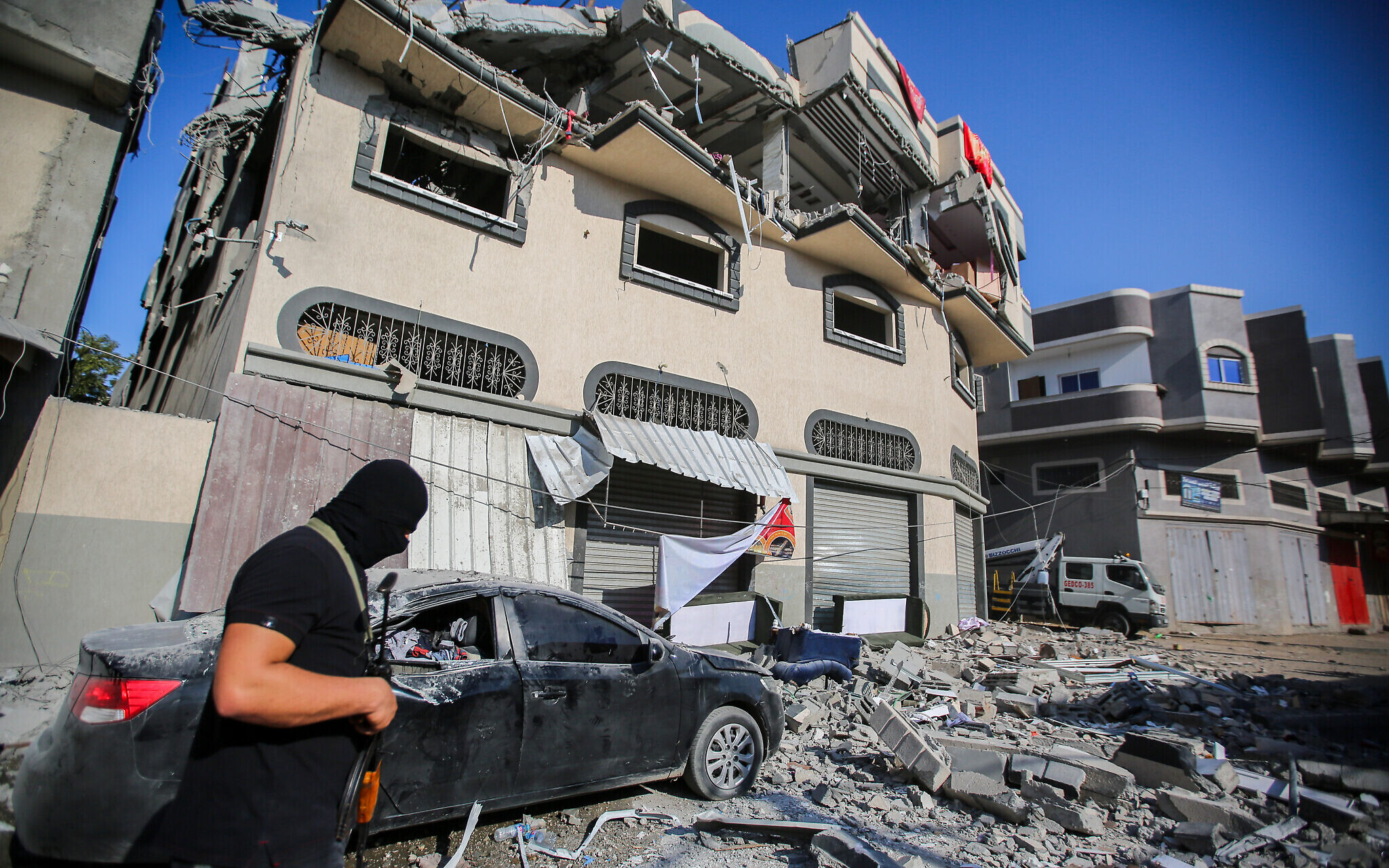
Abu al-Ata was killed with a precise airstrike against the safe house where he was hiding with his wife and children. According to several Arab news outlets, in the moments before the attack, a small reconnaissance drone was flown past the building to ensure that the PIJ leader was indeed there.
The missiles used in the strike destroyed only the floor where he was located, leaving the rest of the building intact, displaying an impressive degree of accuracy.
In addition, at almost the same time as Abu al-Ata and his wife were killed, another senior PIJ leader — Akram al-Ajouri — was targeted in an airstrike in Syria that has been attributed to Israel. Israeli officials refused to comment on the matter.
“This was a superb intelligence and operational feat. Let terror organizations understand that their leadership decapitation is within Israel’s reach,” wrote Yadlin, who currently serves as the head of Tel Aviv University’s Institute for National Security Studies.
Why now?
Though the death of Abu al-Ata presents an opportunity for Israel to try to reach a stable ceasefire with Hamas and terror groups in the Strip and appears to have been green-lighted due to the PIJ commander’s alleged plans to imminently conduct another attack on Israel, the timing of this event remains somewhat suspicious.

Abu al-Ata has been orchestrating attacks for almost a year and has been firmly in the Israeli military’s crosshairs since at least June, IDF Spokesperson Hidai Zilberman told reporters Wednesday.
Why then did he suddenly present so great and immediate a threat that he needed to be assassinated this week?
Unfortunately, it may take decades before a clear answer emerges to this question.
As Israel’s former chief archivist Yaacov Lozowick noted on Wednesday in a tweet, under the country’s current laws, transcripts of security cabinet discussions remain sealed for at least 50 years — 90 years, if a Shin Bet security service officer participated in them. And the behind-closed-doors decision-making process could allow other problematic considerations to seep in, without Israelis’ knowledge, some have suggested.
“The missiles are falling today. These discussions will threaten our security for another 3-4 generations,” Lozowick wrote.









The Times of Israel Community.