

Authorities ‘worried’ as serious COVID-19 cases surpass 400 for first time
But number of daily cases keeps dropping, leading health, culture ministries to announce reopening of indoor culture venues on September 1
 Add ToI as a Preferred Source on Google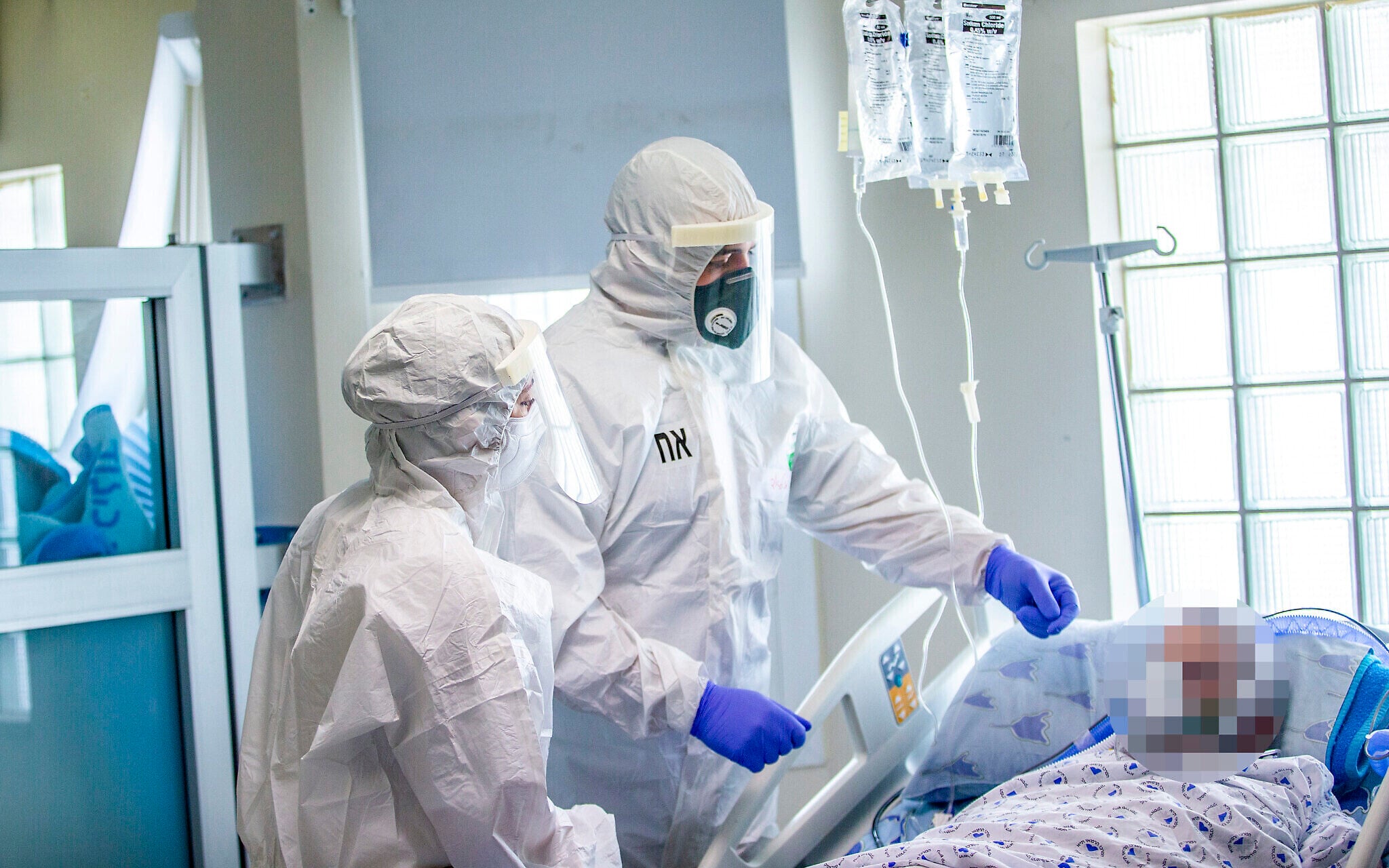
The number of Israeli COVID-19 patients in serious condition crossed the 400 mark for the first time on Tuesday morning, with a senior Health Ministry official expressing concern over the figure.
The ministry announced 1,573 new cases in the previous 24 hours, with the total number reaching 95,264, including 23,399 active cases.
They included 410 in serious condition, including 113 on ventilators, putting a strain on the coronavirus wards of many hospitals. Another 159 were in moderate condition, and the rest had mild or no symptoms.
The ministry announced six new deaths, bringing the overall toll to 698.
It said 24,100 coronavirus test results returned on Monday, 6.9 percent of which were positive.
The ministry’s deputy director, Prof. Itamar Grotto, said during a Knesset committee discussion that while the infection rates have declined somewhat, “I am sorry to have to be a party pooper. The best indicator is the number of serious patients and there are 410 at the moment. We are worried.”
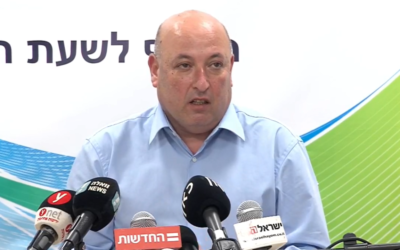
Grotto also expressed unease about the school year, which is planned to begin on September 1. He said the high infection rates in schools are a concern and that he was particularly hesitant to okay middle and high school studies “because they are a major vector of infections.”
He said a final decision will be made shortly before the planned start date of the school year.
Meanwhile, the health and culture ministries agreed that indoor culture venues will open on September 1, with specific details yet to be agreed upon and published.
The ministries said the venues would open in accordance with an outline determined by coronavirus czar Ronni Gamzu.
“This step joins the news from last week about returning culture performances to outdoor areas. It’s time to return culture to the indoor venues and revive the culture world,” said Culture Minister Chili Tropper.
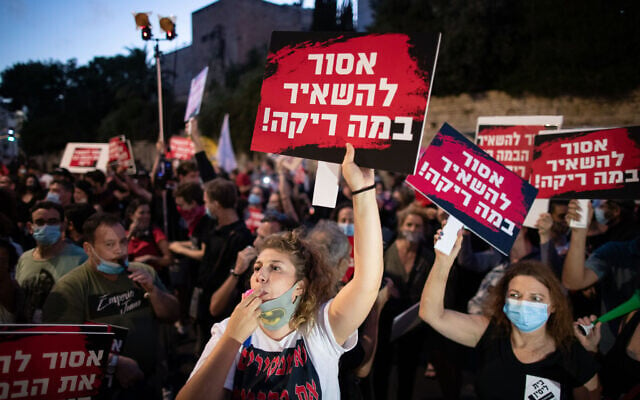
The move comes after weeks of growing protests by employees in the culture industry who have been jobless for many months, demanding the reopening of venues.
The so-called coronavirus cabinet of top ministers is set to convene Thursday to discuss rules on gatherings, after a parliamentary panel refused to extend the government regulations by 28 days.
At the meeting, Gamzu is reportedly set to recommend far-reaching restrictions to stem the spread of the virus.
Ministers will attempt to delay the regulations until the onset of the Jewish High Holidays — Rosh Hashanah, Yom Kippur, and Sukkot — between mid-September and early October, to avoid an additional blow to the economy, according to Channel 12.
The restrictions Gamzu reportedly plans to push during the holidays include limiting gatherings in houses of worship, closing hotels and other tourist attractions, limiting movement, and recommending that Israelis observe the holidays only with their nuclear families.
“It’s not if, it’s when,” the network reported, summarizing Gamzu’s approach, which appeared to mark a departure from his attitude until now — strong opposition to sweeping measures to contain the virus, due to the damage they can cause to the economy.
In a statement responding to the report, Gamzu’s office said his position regarding lockdowns of any kind has not changed, and he is trying to avoid implementing them at all costs, as long as the health care system can continue to function.
Updated restrictions on crowding in indoor spaces passed by the coronavirus cabinet on Friday went into effect on Sunday, but were not ratified by the Knesset until Monday.
Ministers had agreed to bar over 10 people in closed spaces such as businesses, restaurants and synagogues that are smaller than 80 square meters (861 square feet), and up to 20 people in places that larger than that size. To date, restaurants have been allowed to seat 20 customers indoors and 30 customers outdoors.
In open spaces, crowds of up to 30 people would be allowed, instead of the 20-person limit that has thus far been in place.





The Times of Israel Community.