

Blood test 95% accurate in spotting suicide risk in bipolar patients, says Israeli scientist
University of Haifa researcher says her team’s AI model spots biomarkers in white blood cells; test could help monitor patients with bipolar disorder, 40% of whom will attempt suicide
 Add ToI as a Preferred Source on Google
Reporter at The Times of Israel
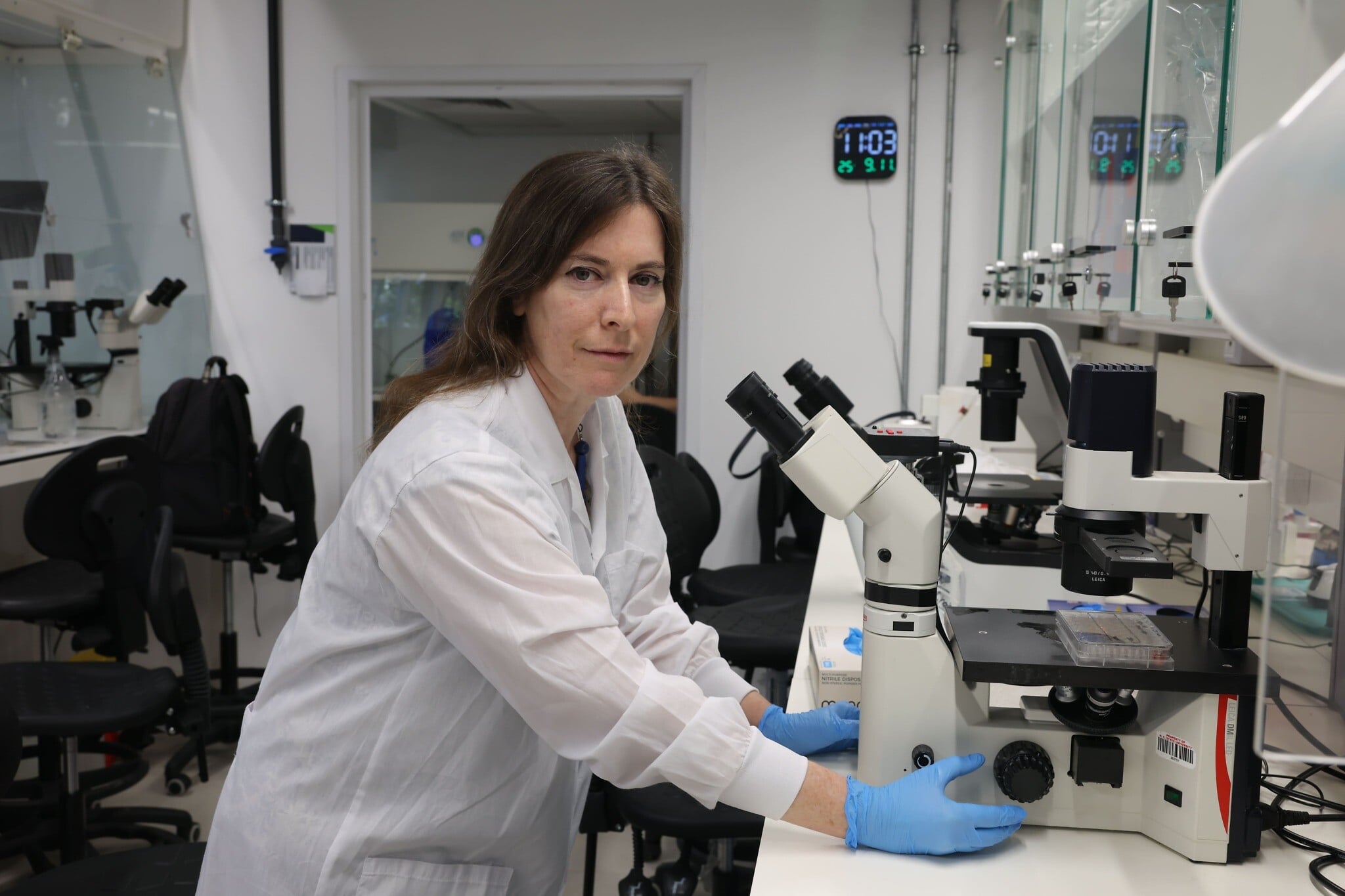
A researcher from the University of Haifa says that she has developed a new method to predict a high suicide risk among patients with bipolar disorder through a simple blood test.
Prof. Shani Stern of Haifa’s Sagol Department of Neurobiology, who worked on the study with researchers from Canada and Italy, said the team developed an artificial-intelligence algorithm based on genetic changes in the white blood cells of patients with bipolar disorder.
The groundbreaking study, published in the peer-reviewed Translational Psychiatry, achieved more than 95% accuracy.
“We were surprised to discover that we had a very good prediction of which patients would commit suicide by finding markers in white blood cells,” ” said Stern, speaking to The Times of Israel by telephone.
Since people diagnosed with bipolar disorder have a risk of suicide death 10-20 times higher than that of the general population, and approximately 40% of them will attempt suicide at some point in life, a reliable blood test could help caregivers become more aware of their bipolar patients’ mental health condition, Stern said.
That means caregivers could monitor bipolar patients more closely — and intervene earlier.
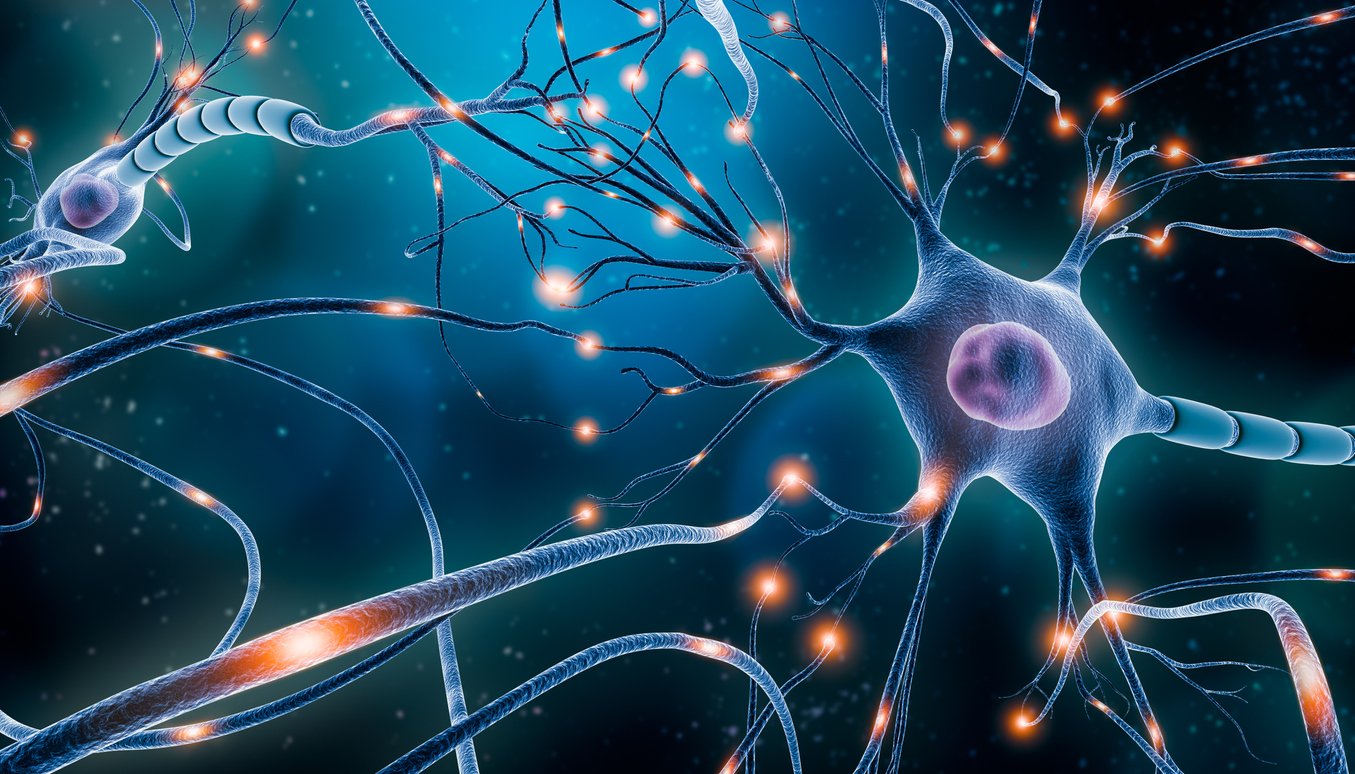
Bipolar disorder, also known as manic-depressive illness, is considered one of the most severe psychiatric conditions. This disorder is most associated with attempting suicide.
“Ten percent will succeed,” said Stern.
Many factors play a role in suicidal behavior, Prof. Emerita Illana Gozes of Tel Aviv University’s Gray Faculty of Medical and Health Sciences, an expert in neuroscience, told The Times of Israel.
“If someone has a problem, or if there are other people in their family who have committed suicide, then there is a higher risk of suicide,” Gozes said. The risk rises further in bipolar individuals with previous suicide attempts, substance use, or childhood trauma.
Despite the severity of the risk for bipolar patients, clinicians currently have no reliable tool to predict who will attempt suicide.

Stern’s study focuses on the changes in people’s genes — known as gene expression — before suicide, Gozes said. “But it depends on the person’s environment if they will become suicidal or not.”
Studying suicide
Stern said she and her research team have been studying bipolar disorder for a few years along with suicide, which, she noted, is “very hard to study.”
“We can’t have animal models for suicide,” she said. “Tissues of [live] people who have already committed suicide are unavailable. We can use postmortem tissues, but not live cells.”
Through collaborations with Prof. Martin Alda at Canada’s Dalhousie University and Prof. Alessio Squassina of Italy’s Cagliari University, she was able to study blood samples given by six people with bipolar disorder before they died by suicide.
The scientists collected blood from 14 other patients with bipolar disorder. Seven were monitored for more than five years and had no suicide attempts or family history of suicide. The other seven had either past suicide attempts or relatives who died by suicide.
White blood cells were isolated from these samples and then “immortalized” using the Epstein-Barr virus.
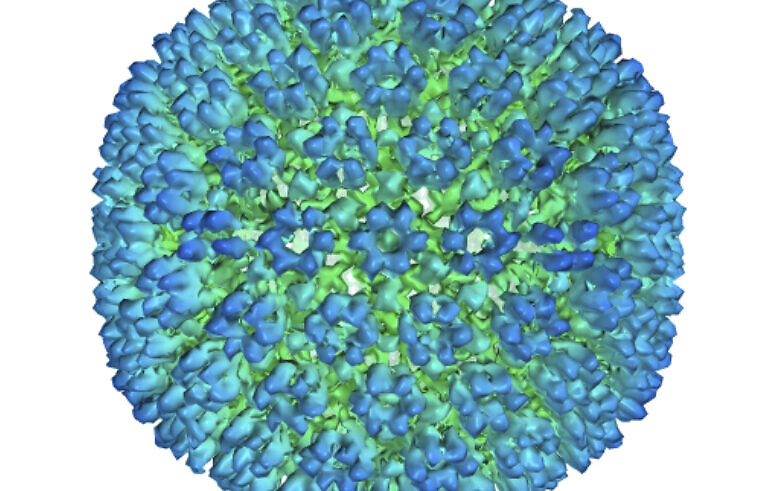
“Normally, when we extract from blood samples, the white cells eventually don’t divide outside the body and die after a few days,” Stern said. “But these transformed white blood cells can live forever so that’s why they’re called immortalized.”
Active genetic material was extracted from these cells, and RNA sequencing was performed to examine which genes were expressed differently between the risk groups.
In the research’s second stage, the scientists built a computational model, applying machine-learning algorithms.
“First, we looked at differentially expressed genes,” Stern said. “We tried to understand what are the distinctions between those who died by suicide and those who are at a very low risk since they were monitored over many years with no suicide attempts.”
Using repeated cross-validation in what was statistically equivalent to more than 1,700 times, the researchers’ model consistently achieved over 95% accuracy in predicting the patients who committed suicide.
White blood cells carry genetic information
Perhaps the most surprising finding for the researchers was that brain-related genetic changes could be detected in white blood cells.
The scientists expected that identifying suicide risk would require studying neurons, the nerve cells in the brain that send and receive signals.
“Yet from blood cells, we were able to identify genetic signatures linked to brain diseases and psychiatric disorders,” she said.
Her team is continuing to conduct research on neurons derived from patients’ blood samples using technology that involves induced pluripotent stem cells, which are the special stem cells that can turn into almost any type of cell in the body.
“But to have a good prediction of which patients will actually commit suicide and die by suicide, it’s enough to use the blood samples,” she said. “We don’t need the neurons.”
This unexpected result suggests that white blood cells may carry genetic information that partially reflects what is happening in the brain.
“These white blood cells also express many neuronal genes, which is also something you don’t expect,” she said. “I think these genetic signatures of the white blood cells somehow represent, maybe not fully, but partially, what happens in the brain.”
Prof. Haitham Amal, head of the Amal Lab of Neuromics, Cell Signaling and Transitional Medicine at the Hebrew University of Jerusalem, said that Stern’s “multi-disciplinary” work, which incorporates machine learning and AI platforms, identifies biomarkers for suicide risk.
“With these markers, then we can help or rescue patients with potential suicidal behavior,” Amal told The Times of Israel.

A reliable blood test could help save lives
Stern emphasized the need for larger, longitudinal studies to test whether these genetic signatures are reproducible and stable across different populations and real-world clinical settings.
She said this is the first step toward building a comprehensive risk model for bipolar patients that would integrate biomarkers, brain measures, and behavioral information.
A simple and reliable blood test could help caregivers tailor treatments for bipolar individuals. If a patient’s blood test shows marked changes, psychiatrists might decide to adjust medication strategies, increase monitoring, or provide additional support services.
“This opens the door to simple, non-invasive tests that can help doctors identify at-risk individuals and prevent tragedies, potentially saving lives,” Stern said.










The Times of Israel Community.