

5 years into his criminal trial, cross-examination of Netanyahu to begin on Tuesday
Process may take a year to complete, after PM’s questioning by defense attorney took 36 sessions
 Add ToI as a Preferred Source on Google
Jeremy Sharon is The Times of Israel’s legal affairs and settlements reporter
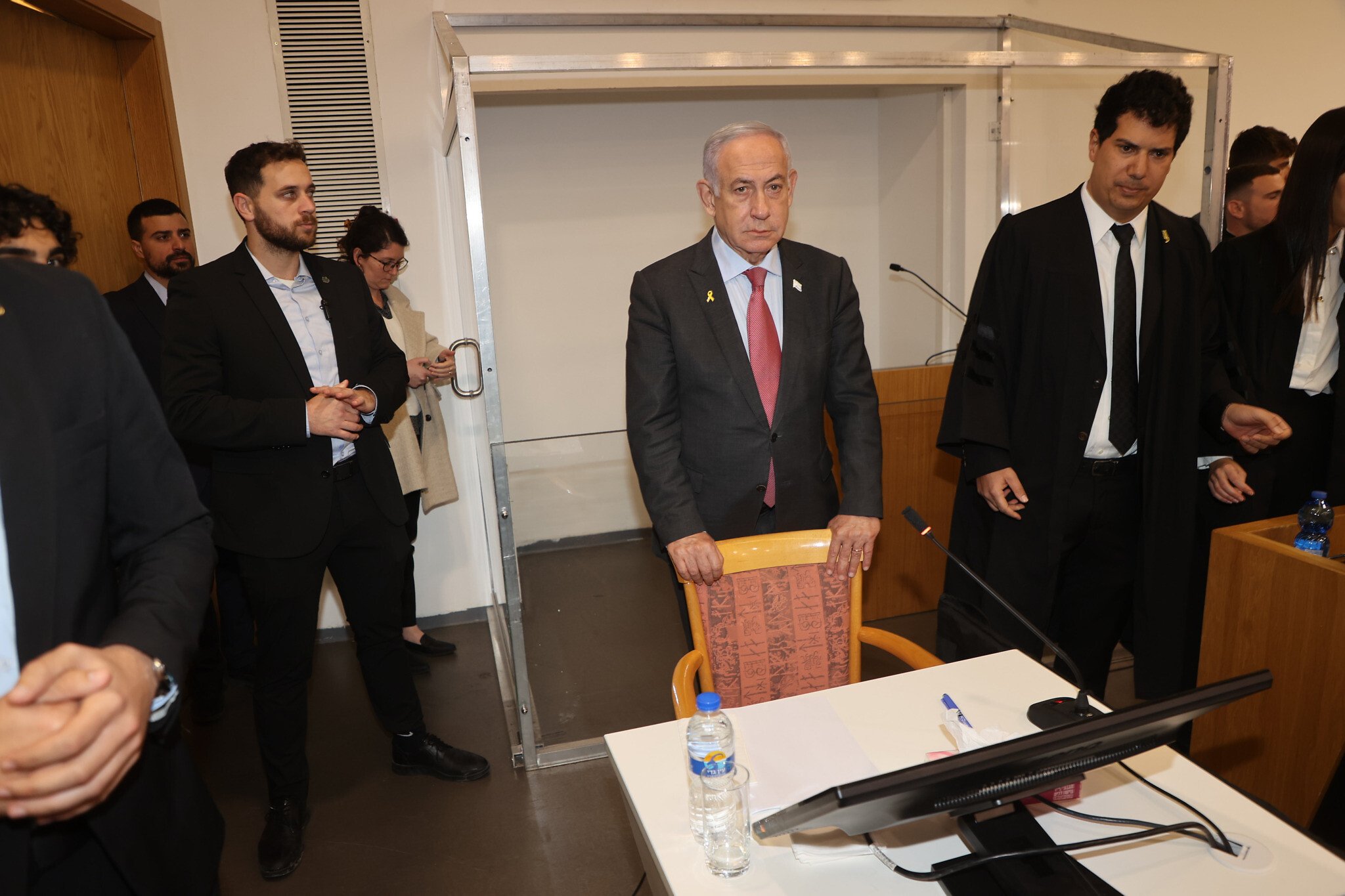
Prime Minister Benjamin Netanyahu’s criminal trial will hit a significant milestone on Tuesday morning, as prosecutors will finally get the opportunity to cross-examine the premier, fully five years after the trial opened.
Netanyahu has testified under direct questioning by his own attorney in 36 sessions since December 10 last year. In that time, he has largely had things his way, as attorney Amid Hadad offered up softball questions in response to which the prime minister was able to assert his own narrative of events, and claim his innocence.
But cross-examination is one of the primary tools for the prosecution to try to poke holes in the defendant’s narrative and highlight any contradictions between statements made to police while under investigation and testimony given in court under direct examination.
It will not, however, be a quick process.
Netanyahu faces three criminal cases, with the Walla-Bezeq affair, covered by Case 4000, a particularly sprawling web of interconnected allegations about an allegedly illicit quid pro quo agreement in which Netanyahu authorized decisions benefiting Walla and Bezeq owner Shaul Elovitch in return for favorable coverage of the prime minister by the Walla news website.
The prosecution has said it will need at least three times as many hearings as Netanyahu’s direct questioning for its cross-examination, coming to some 100 hearings.
Given court recesses for the summer and the Jewish holidays beginning with Rosh Hashana in late September; Netanyahu’s repeated requests to cancel hearings for pressing matters of state; interruptions during the hearings themselves because of Netanyahu’s leadership duties; and the fact that he only testifies twice a week, it appears that the cross-examination will last for most of the next 12 months, if the court grants the prosecution as many sessions as it seeks and if the prosecution decides to avail itself of them all.
Netanyahu’s testimony in direct questioning dealt for much of the hearings with Case 4000, where the prime minister is accused of the most serious charges leveled at him in the indictment: accepting a bribe in the form of positive media coverage from Walla, in return for regulatory decisions benefitting Elovitch and for slowing down reforms to the high-speed internet market.
The prime minister and his attorney sought to undermine this allegation during his testimony, asserting that much of the supposedly undue influence on Walla was routine requests for corrections in stories and for responses to be included in coverage; that many such requests were ignored or only partially accepted; and that much of Walla’s coverage was actually hostile to Netanyahu.
If the prime minister did not receive particularly favorable media coverage, they argued, how can he be accused of accepting it as a bribe?
The prosecution will need to convincingly demonstrate that despite all the seeming contradictions to the allegations in the indictment pointed out by the defense, there are still concrete examples of media interference where Netanyahu managed to directly assert undue influence over specific articles in Walla, and that this influence was secured due to favors the prime minister was doing for Elovitch.
In Case 2000, Netanyahu is accused of fraud and breach of trust for allegedly having tried to reach an unlawful agreement with the publisher of the Yedioth Aharonoth newspaper, Arnon Mozes, for the outlet to improve its coverage of him in return for legislation to weaken its rival paper Israel Hayom.
Netanyahu claimed during his testimony that he actually tried to halt the so-called Israel Hayom law that would have hurt the free-of-charge paper.
The prosecution will, in its cross-examination, seek to undermine this version of events, as well as Netanyahu’s contention that despite the content of the recordings in which he ostensibly seriously contemplated advancing the legislation, he never had any real intention of doing so.
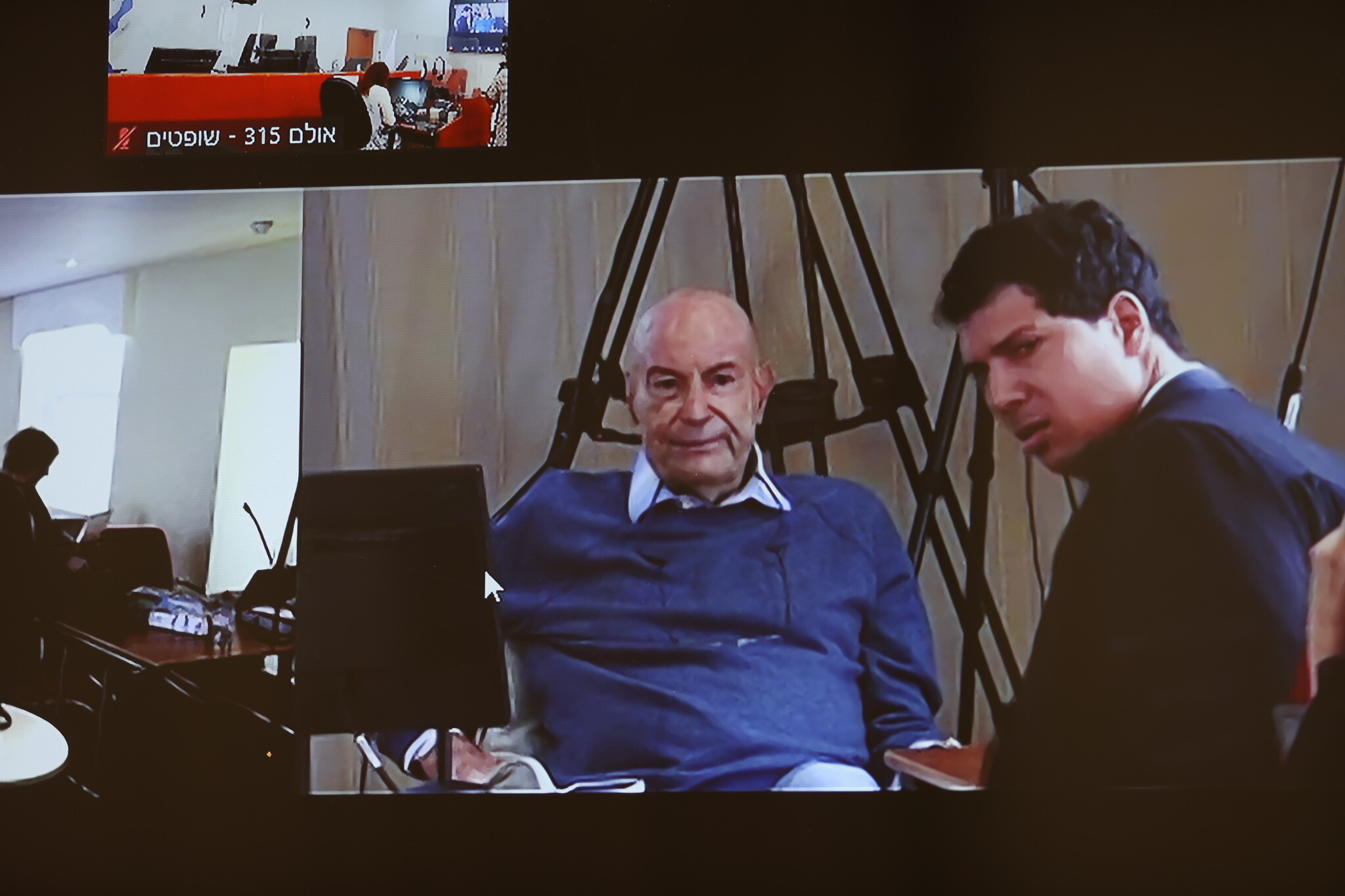
In Case 1000, Netanyahu is suspected of fraud and breach of trust for having accepted large amounts of luxury goods from Hollywood mogul and billionaire Arnon Milchan in return for which the prime minister assisted him in obtaining a long-term US visa and in merging the Keshet and Reshet television networks.
Netanyahu has always maintained that he received the gifts due to a close personal friendship with Milchan.
Here, the prosecution will have to contend with Milchan’s own testimony that he gave the gifts out of genuine friendship, and that he had not received any help from Netanyahu over the proposed Keshet-Reshet merger since it never advanced very far and was just “ideas in the air.”
Netanyahu denies any wrongdoing and says all the charges were fabricated in a political coup led by the police and state prosecution.







The Times of Israel Community.