

EU denies Israeli report it agreed to rebuild Gaza crossing
A week after Palestinians heavily damage Kerem Shalom, fuel lines serving energy-starved Strip partially reopen
 Add ToI as a Preferred Source on Google
Judah Ari Gross is The Times of Israel's religions and Diaspora affairs correspondent.
The European Union on Tuesday denied a report by an Israeli news outlet that claimed the the international body planned to fund the repair of the Kerem Shalom Crossing into the Gaza Strip, which was repeatedly damaged by Palestinian rioters in recent weeks.
On Friday, the Ynet news site reported that the EU said it had agreed to donate 30 million Euros ($35 million) to fix the destroyed parts of the facility, which serves as the sole crossing for goods and humanitarian aid into Gaza from Israel.
An EU spokesperson said no such offer had been made. Israel’s military liaison to the Palestinians also denied that the European body planned to donate the funds, saying “the report on the subject was incorrect.”
The source of the error in the Ynet article was not immediately clear. The information was not attributed to a specific source.
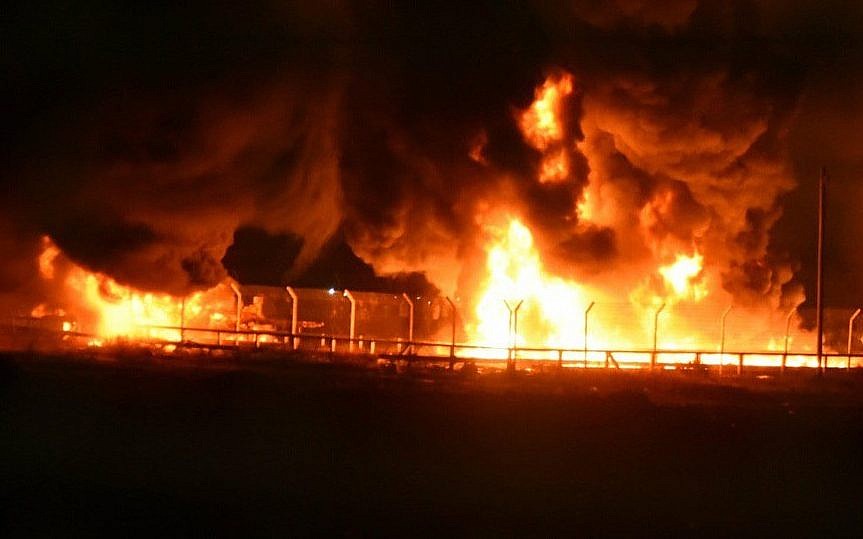
On three separate occasions, rioters from the Gaza Strip set fire to parts of the crossing, including its fuel terminal, the only way to bring gasoline and diesel fuel into the Gaza Strip.
Last week, the Defense Ministry said it believed it had partially repaired the damage to the fuel terminal, but would only know for certain after the weekend.
On Tuesday, the military liaison said the repairs to the diesel pipeline had held and that on Monday “786,020 liters of diesel fuel were transferred into the Gaza Strip via the Kerem Shalom crossing.”
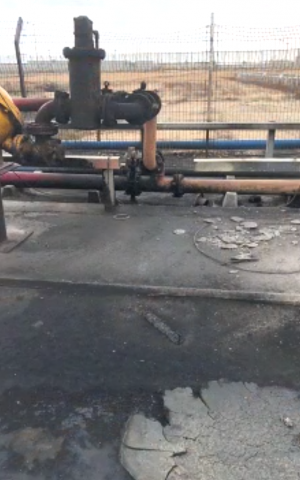
According to the liaison’s office, “this provides a solution for all of the needs of the Gaza Strip at this time.”
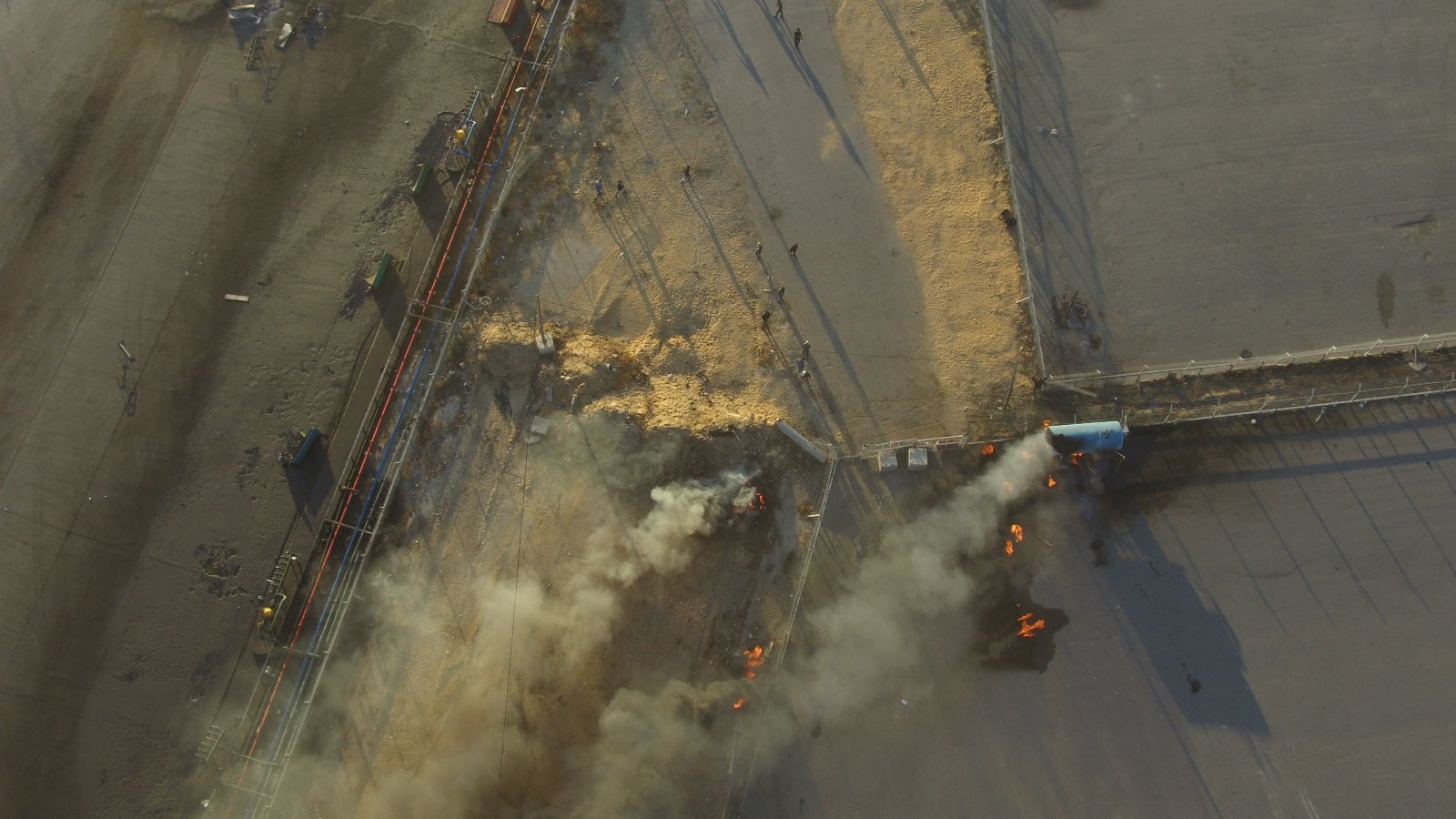
Rioters first attacked the crossing on May 4. They broke through the gates and, apparently believing they were in Israeli territory, set fire to the fuel lines, according to Israeli officials. In actuality, they were on the Palestinian side of the crossing.
On May 11, following a violent demonstration along the border, vandals entered Kerem Shalom and significantly damaged the fuel terminal, as well as a conveyor belt used to bring raw construction materials into Gaza and two other belts used to transport animal feed.
According to Israeli officials, the Hamas terrorist group directed the attack on the crossing. Its operatives instructed rioters “what to do, where to go,” a senior Israeli defense official told reporters earlier this month.
After the Friday attack, Israel closed Kerem Shalom to assess the damage and determine how to repair the equipment.
On Monday, Palestinians again attacked the crossing, setting fire to parts of the facility for the third time, while it was still closed for repairs from the previous ransacking.
On Tuesday, Israel reopened the trucking lanes of the Kerem Shalom Crossing and began allowing through medical supplies and commercial goods, though in two cases Palestinian officials refused to accept the trucks.
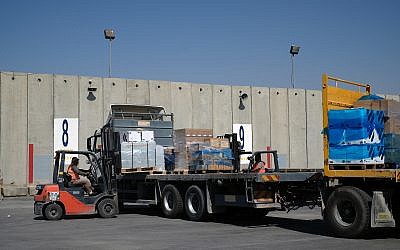
Palestinian Authority officials, working on the Gaza side of the crossing, sent back 14 trucks worth of food and diapers on Tuesday, for unclear reasons. The next day, Hamas officials inside Gaza refused to accept two shipments of medical supplies, despite shortages in the Strip’s hospitals, because they were provided by the Israeli military.
While the inability to import medical equipment and other essential goods to the Gaza Strip due to the temporary closure of the crossing was a source of concern, international officials last week warned of the dire consequences of the lack of fuel.
“The impact of the destruction of the fuel and gas lines is already being felt,” the UN Office for the Coordination of Humanitarian Affairs (OCHA) said in its appeal. “To avoid a collapse of essential services, an alternative arrangement for the entry of fuel is urgently needed until the Kerem Shalom fuel pipelines are repaired.”
OCHA also called on Palestinian protesters to refrain from further damaging the border crossing and to return operations at Kerem Shalom to full capacity.








The Times of Israel Community.