

Families of soldiers who died by suicide petition High Court for IDF recognition
Petitioners challenge committee ruling, saying mental wounds deserve the same acknowledgment as physical injuries and that combat trauma continues after uniforms come off
 Add ToI as a Preferred Source on Google
Stav Levaton is a military reporter for The Times of Israel
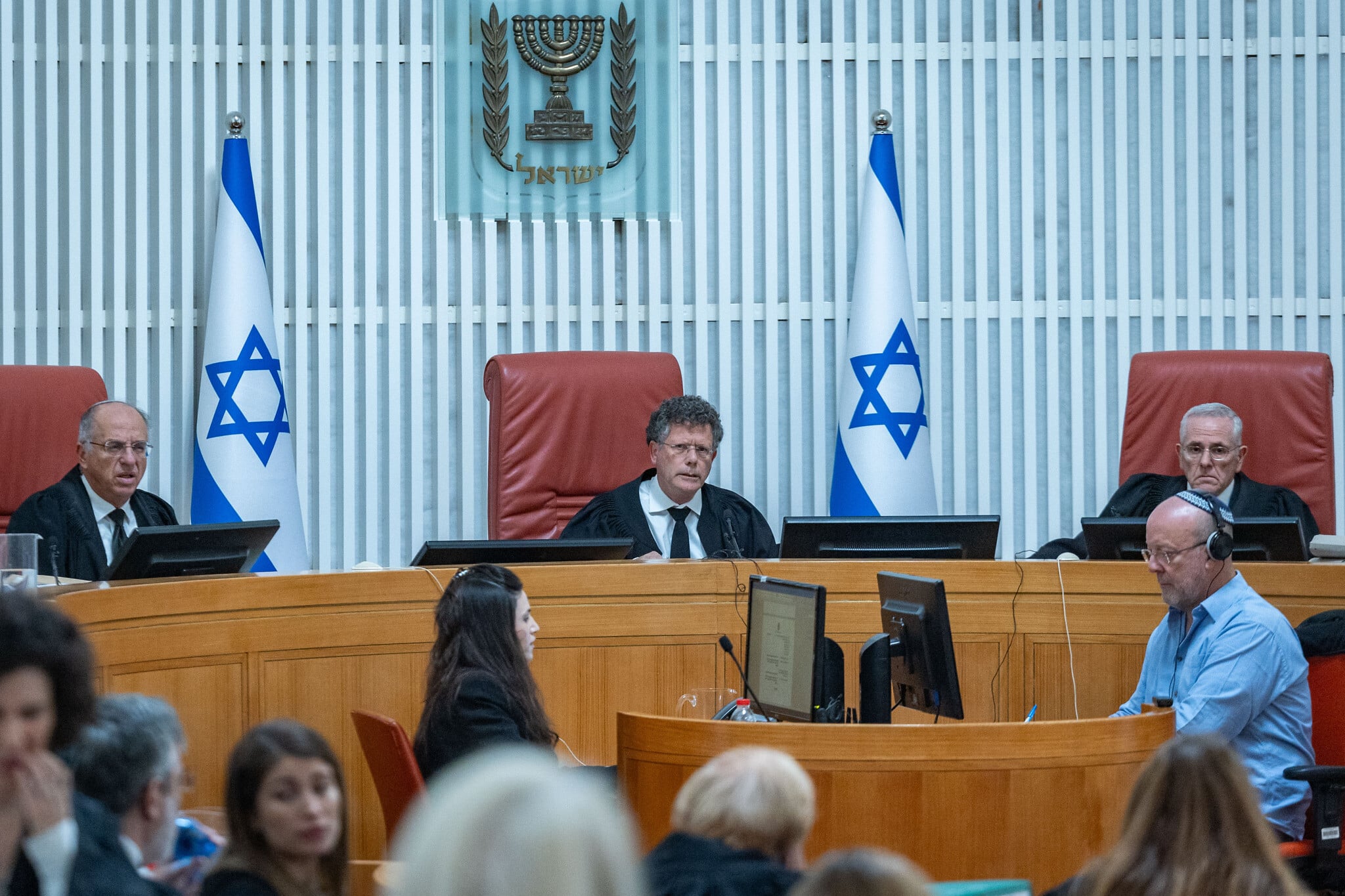
Families of soldiers who died by suicide since Hamas’s October 7, 2023, onslaught have filed a petition with the High Court of Justice to demand their loved ones be fully recognized as fallen soldiers, Channel 13 reported Wednesday.
The families sought to block the implementation of recommendations made last week by a committee tasked with examining the IDF’s response to suicides linked to psychological trauma from military service. The panel had concluded that the IDF would take responsibility for soldiers who died by suicide but would stop short of classifying them as IDF casualties.
The committee ruled that only service members who die while in active service are classified as fallen soldiers, while deaths occurring after discharge — even if linked to military service — fall under separate Defense Ministry recognition categories, including “deceased as a result of service, not in service at the time of death.”
The petition, filed by the Jerusalem Institute of Justice and the Combat Diamonds Forum, which supports combat veterans with PTSD, called for full recognition of soldiers who took their own lives after service, granting them the same status as soldiers who died in uniform.
The petitioners argued that there is a direct link between military service and the suicides, highlighting the mental toll of combat.
Tomer Wasserstein, brother of reservist Roi Wasserstein, who died by suicide last July, said that his brother “gave his spirit in battle and couldn’t live with the images he saw during his service.”
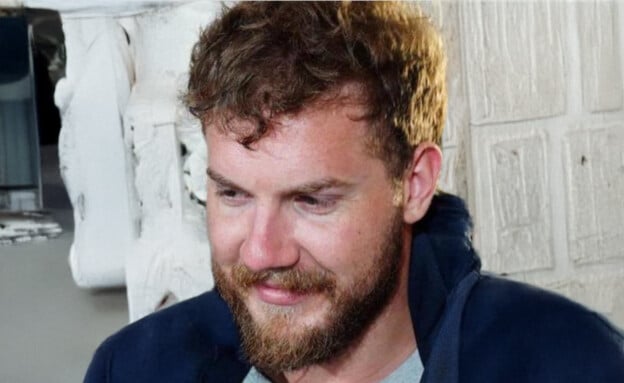
“The soldiers who gave and continue to give their lives so we can feel safe deserve the proper honor and full recognition in their time of distress,” he added.
According to Rotem Ben-Simhon, director of legal aid at the Jerusalem Institute of Justice, “at least 74 soldiers and service members have died by suicide due to mental distress linked to their service, with approximately 279 suicide attempts.”
While IDF casualty data for 2025 indicated a sharp decline in overall soldier deaths compared to 2024, suicide figures remained stagnant, with 22 cases ruled or still under investigation as suicides.
“In this case, there is a clear causal relationship between military service and death, and there is no legal or moral basis to differentiate between a soldier who was physically wounded and died as a result of that injury, and a soldier who was mentally wounded and ended his life because of it,” she said.
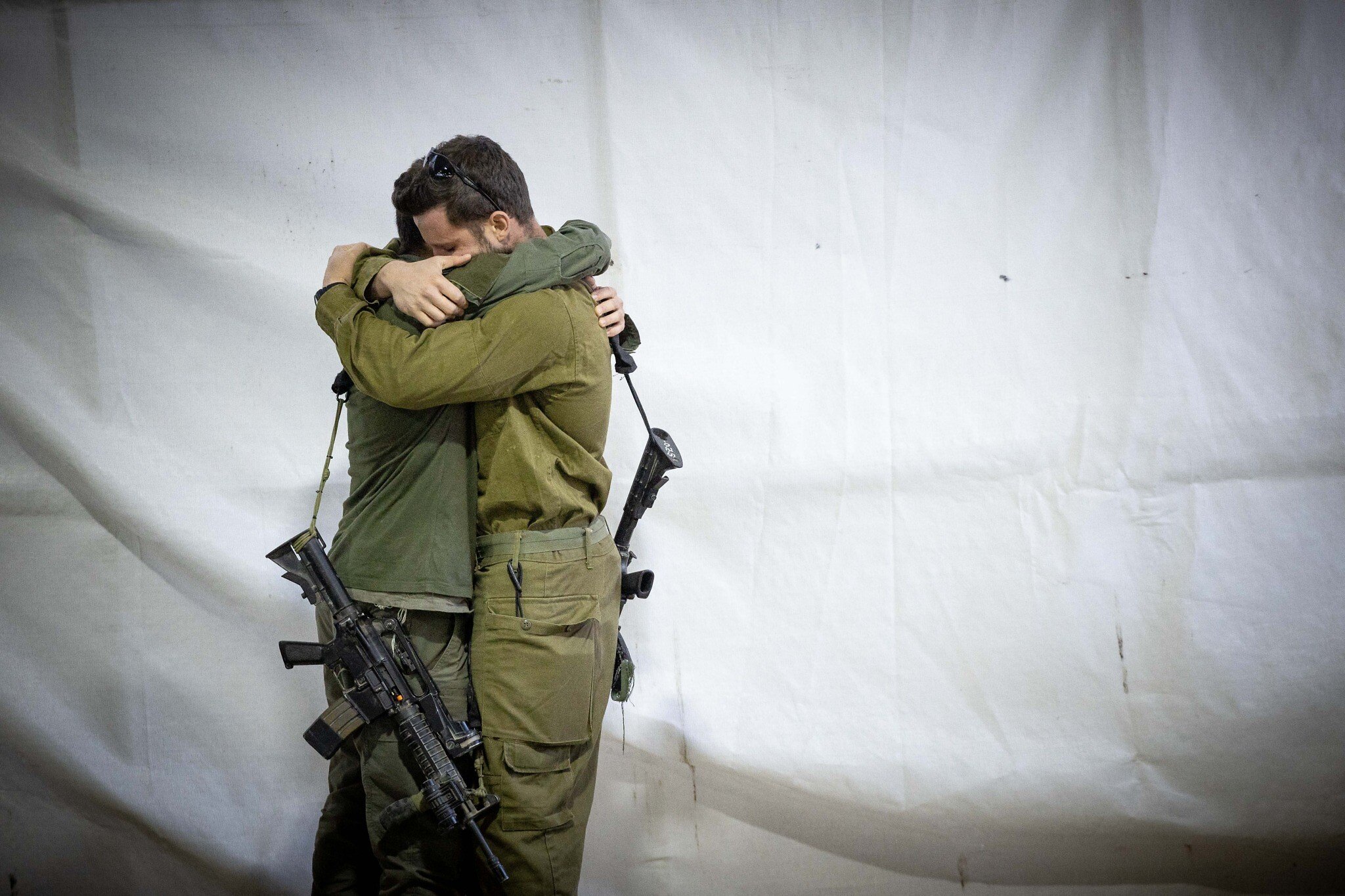
“It’s unacceptable that when a soldier takes off his uniform, the state abandons him and forgets how he died,” said founder of the Combat Diamonds Forum Shamir Benita. “They deserve recognition as IDF casualties, not as ‘victims after service,’ and full recognition is certainly due to their loved ones left behind.”
Under the committee’s recommendations, families would be given up to two years after the end of a soldier’s service to seek recognition of suicide cases linked to military service, to allow time for investigation and assessment.
The panel also proposed permitting military symbols at funerals in cases where a connection to service-related psychological trauma is found, including a commander’s eulogy, military presence and an IDF wreath. In addition, an IDF representative would accompany bereaved families throughout the funeral and mourning period and assist them in submitting a recognition request to the Defense Ministry.


The Times of Israel Community.