

Fearing entanglement, Beirut bidding to quell Israel-Hezbollah tensions
In wake of deadly Syria strike, Lebanese PM meets with Hezbollah officials in attempt to avert consequences of possible revenge attack
 Add ToI as a Preferred Source on Google
Adiv Sterman is a breaking news editor at The Times of Israel.
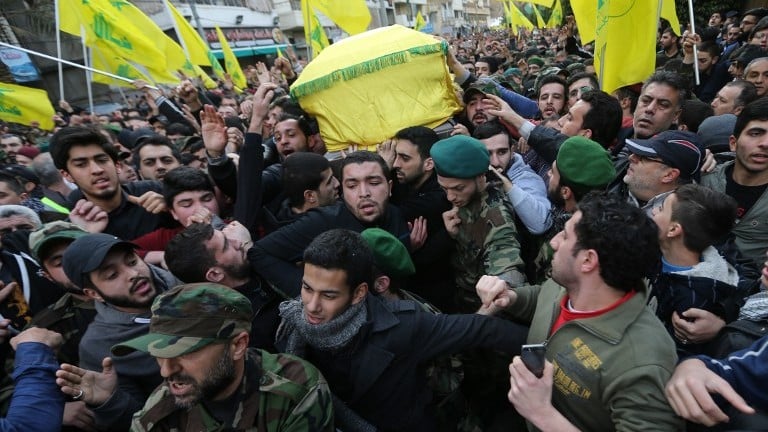
Members of the Lebanese government held urgent talks throughout the week with members of Shiite terror group Hezbollah in an attempt to rein in the group from responding to a deadly airstrike in Syria Sunday, which they fear could embroil the country in a wider regional conflict.
The Lebanese cabinet is set to hold a meeting Thursday to discuss the attack, Lebanon’s Daily Star reported, adding that the Lebanese security establishment was determined to avert any possible repercussions that may come as a result of Hezbollah reprisals.
The Sunday airstrike left six Hezbollah members dead, including a top commander, and also killed at least one Iranian, a general, sparking fears that the group or its patron in Tehran could retaliate at Israel.
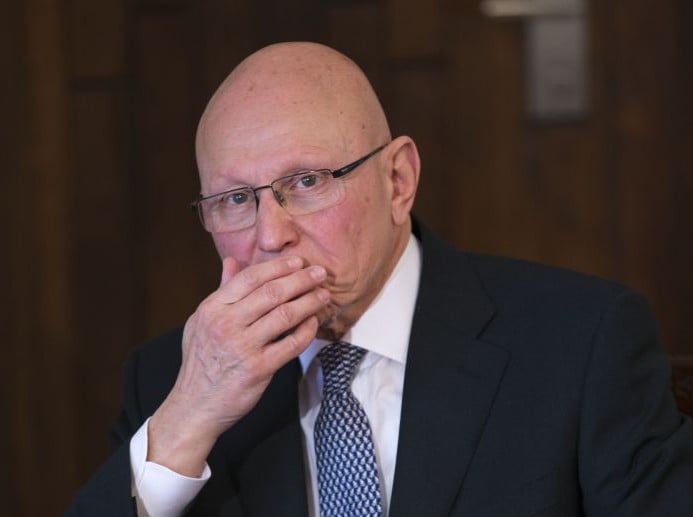
Earlier this week, Lebanese Prime Minister Tammam Salam sent a condolence telegram to Hezbollah Secretary-General Hassan Nasrallah over the strike, according to Lebanon’s Daily Star news outlet.
Salam and members of his cabinet later contacted Hezbollah officials and reportedly underlined Lebanon’s commitment to UN Resolution 1701, which effectively put an end to the Second Lebanon War between Israel and the Shiite terror group in 2006.
On Wednesday, the Lebanese prime minister met with US Ambassador to Lebanon David Hale, who was said to have expressed grave concern over the developments in the area, according to the Lebanon-based Naharnet news site. Hale stressed that the US had no prior knowledge regarding the strike near the Syrian-Israeli border.
Analysts have indicated a reprisal attack may come from Syrian soil in order not to entangle Lebanon in the conflict.
Officially, Israel has neither confirmed nor denied taking any part in the fatal Syria strike on Sunday, though unnamed security sources have indicated that the attack was, in fact, carried out by the IDF.
Following Sunday’s incident, Israel ramped up alertness along its northern border, deploying Iron Dome anti-missile batteries and canceling leave for some soldiers in anticipation of a possible retaliatory strike by Hezbollah.
Several Hezbollah and Iranian operatives were killed in the Sunday strike on a convoy near the Syrian border town of Quneitra. The dead included Iranian general Mohamed Allahdadi and a senior Hezbollah commander, Jihad Mughniyeh, son of Imad Mughniyeh, himself a former top commander with the group who was killed in 2008 in an operation widely thought to have been ordered by Israel.
On Tuesday, a host of Iranian officials threatened harsh retaliation against Israel for the Sunday strike. Revolutionary Guards chief Mohammad Ali Jafari said that Israel should anticipate “devastating lightning,” according to the Iranian Tasnim news agency, and that Iran would widen its support for Muslim fighters in the Middle East “until the final collapse of the Zionist regime.”
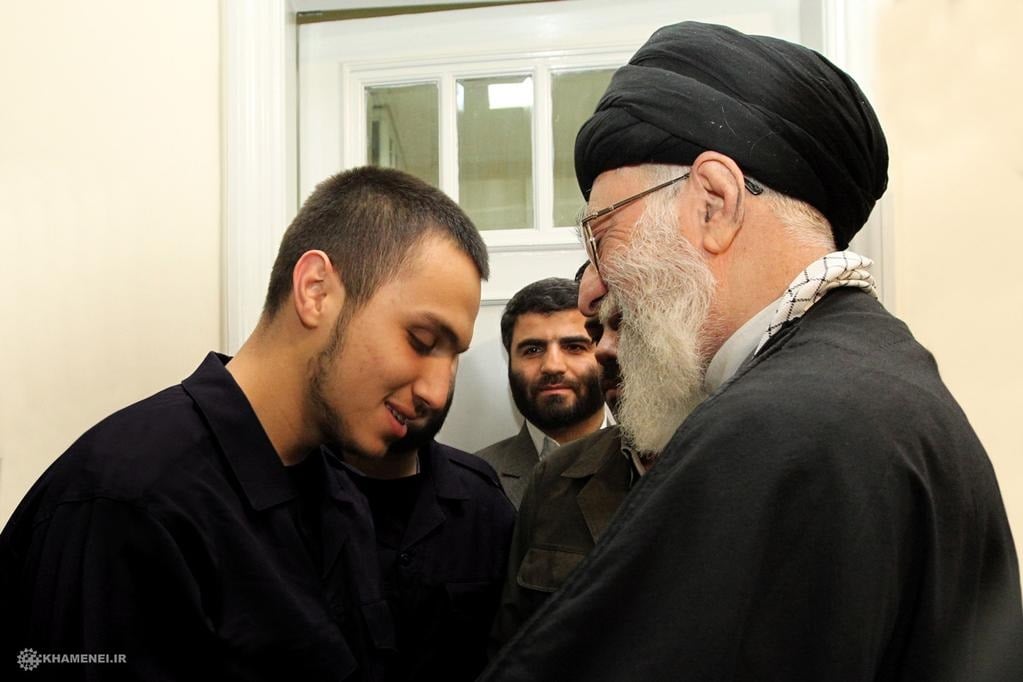
Iranian Parliamentary Speaker Ali Larijani accused Israel of being behind “all acts of terror in the Middle East,” particularly in Syria, according to a Press TV report, and said that “necessary measures should be taken in these cases.”
Ayatollah Ali Khamenei also joined the chorus of Iranian officials blaming Israel for the airstrike.
Ilan Ben Zion and Stuart Winer contributed to this report.





The Times of Israel Community.