

From other end of world, group races to preserve Middle East’s Jewish heritage
Since 2010, Boston-based Diarna has used 3-D mapping, traditional scholarship and oral interviews to document more than 2,500 locations of Jewish sites in Mideast and North Africa
 Add ToI as a Preferred Source on Google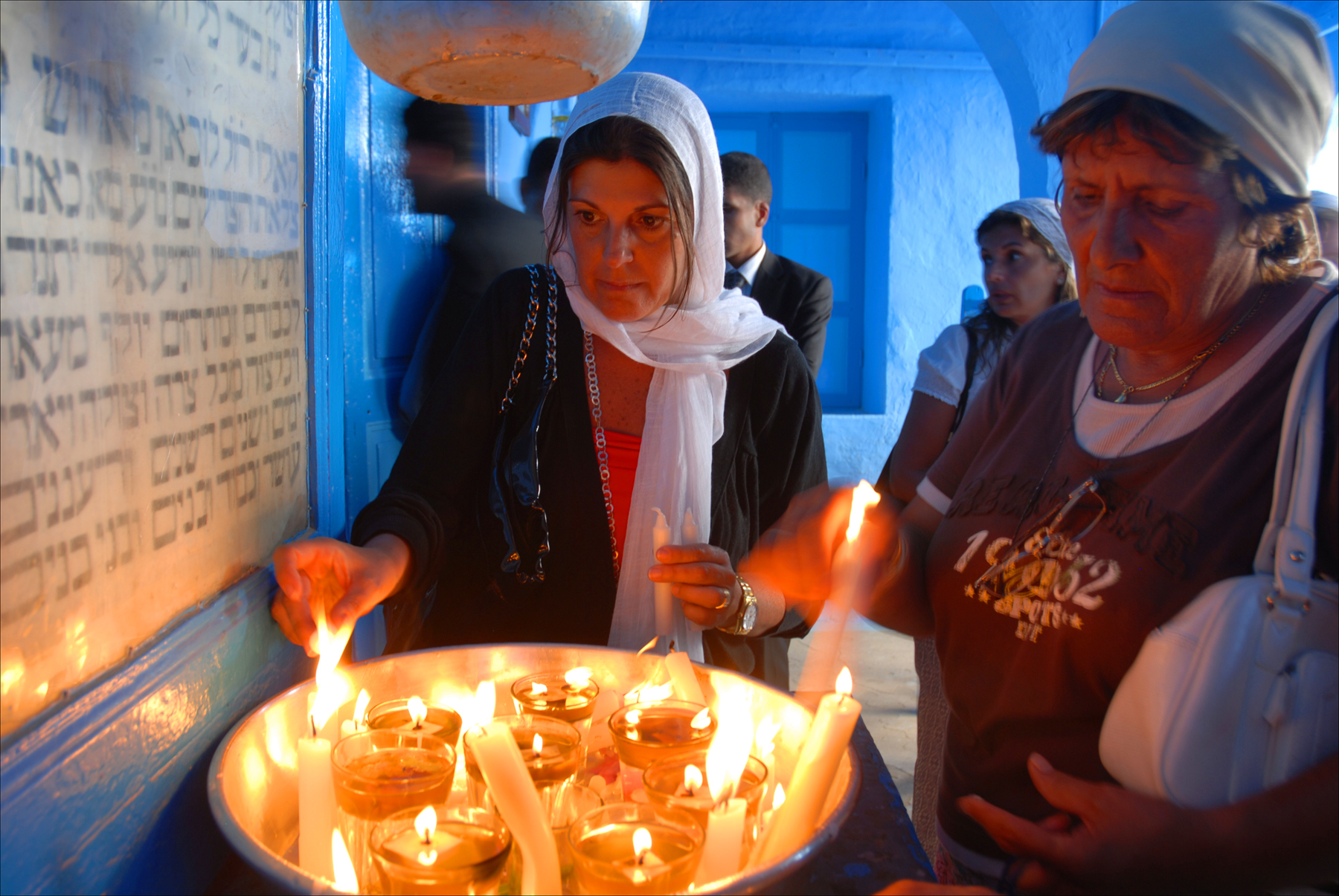
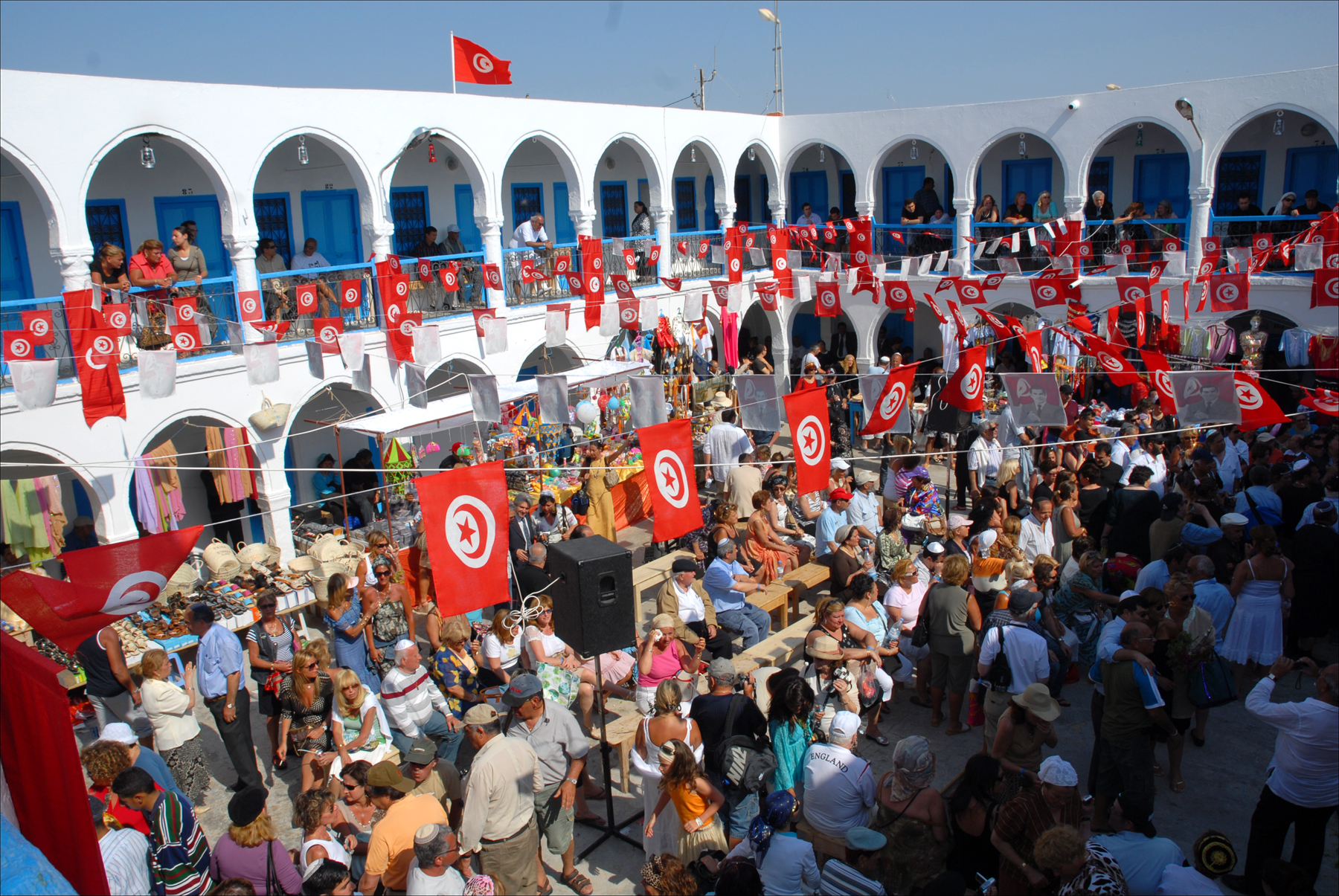
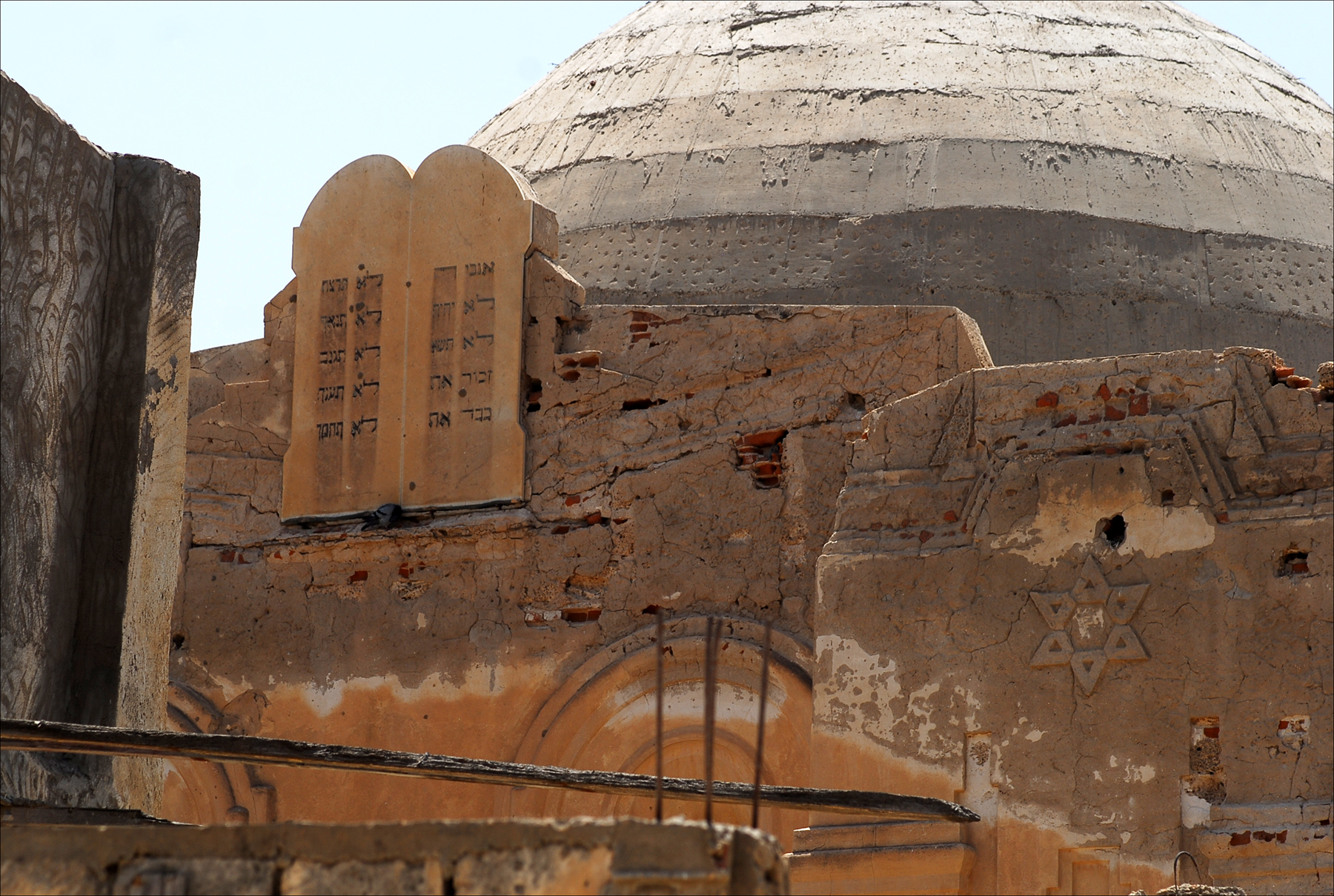

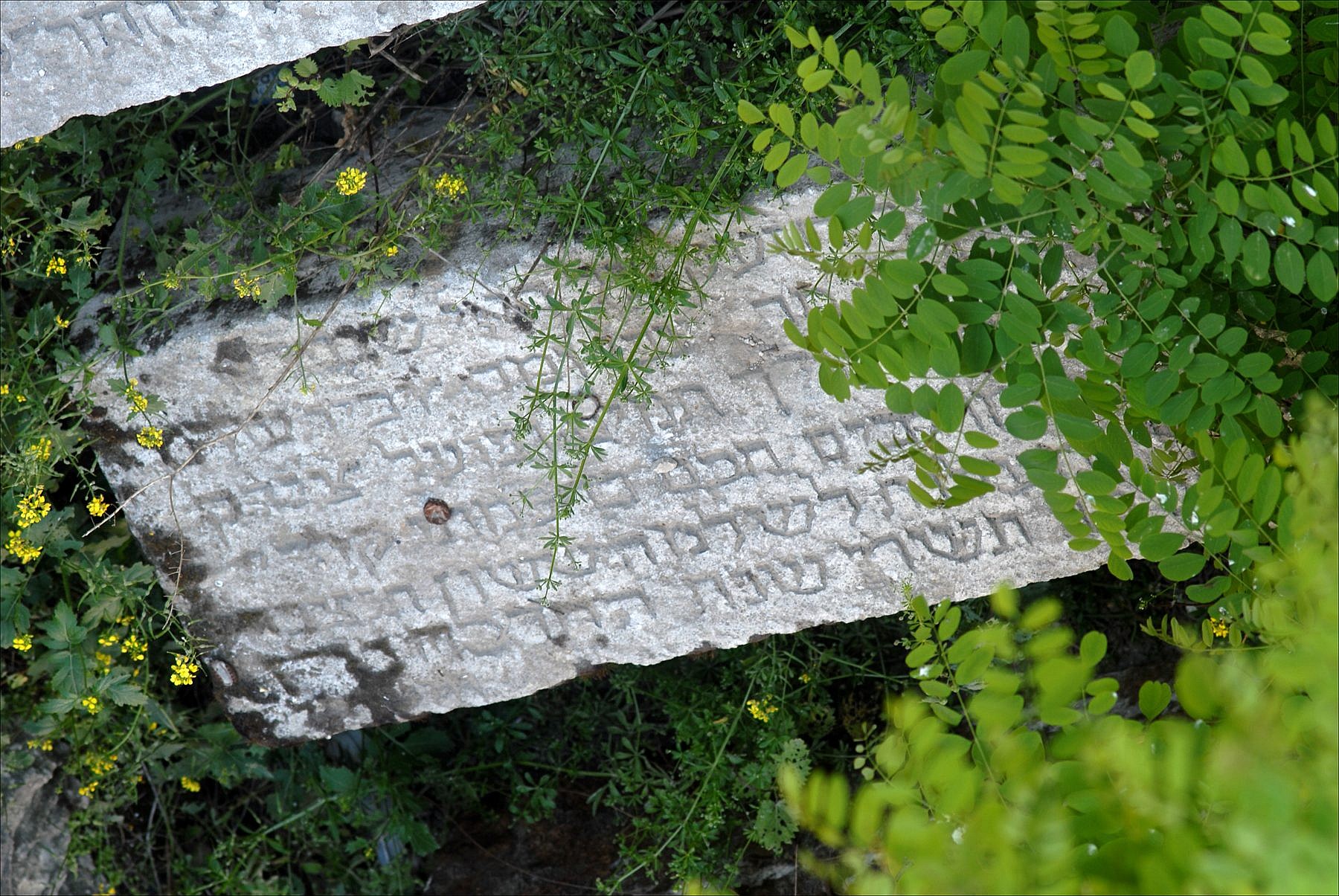
ROCKVILLE, Maryland — Even at the time of the early Muslim empires in the 7th century, Jews had already been established in Arab lands for hundreds of years.
Vibrant communities flourished throughout the Middle East, with synagogues dotting the skylines of major cities from Algiers to Aleppo.
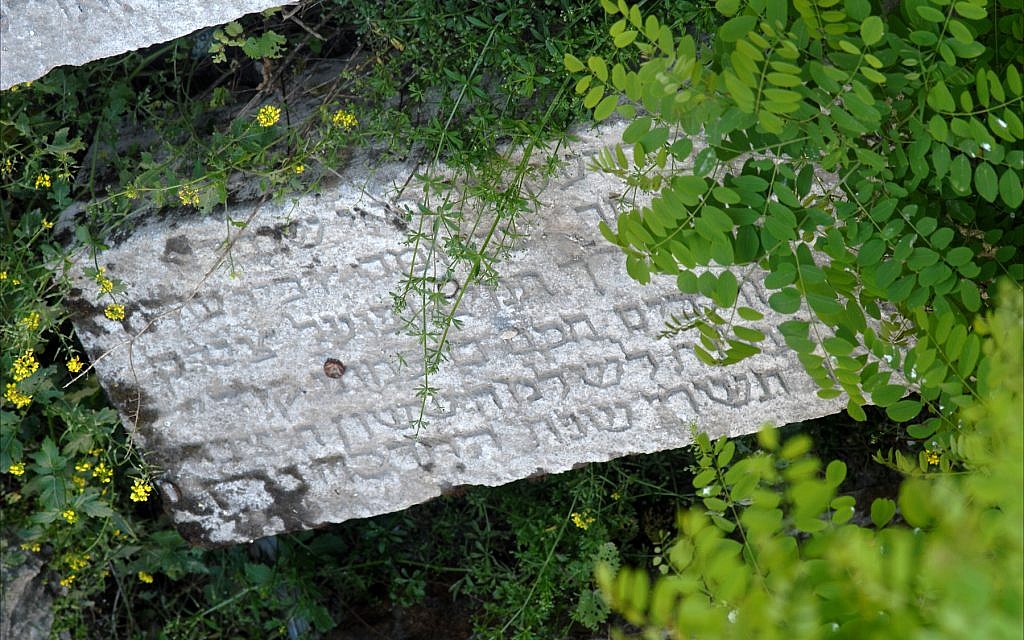
Over time, the Jews built up an extensive cultural legacy — a cemetery in Sudan; Hebrew-language inscriptions in Iraq; hidden fortresses of ancient Israelites in Saudi Arabia. Around the time of Israel’s establishment in 1948, however, things took a turn for the worse as Jews were forced to flee the Muslim-majority countries.
Now, as climate change, human development and terrorism threaten to obliterate what remains, one nonprofit organization is racing to safeguard this legacy before it’s too late.
Since 2010, Boston-based Diarna (“our home” in Judeo-Arabic) has used the latest in 3-D digital mapping technology alongside traditional scholarship and oral interviews to document more than 2,500 Jewish sites in the Middle East and North Africa.
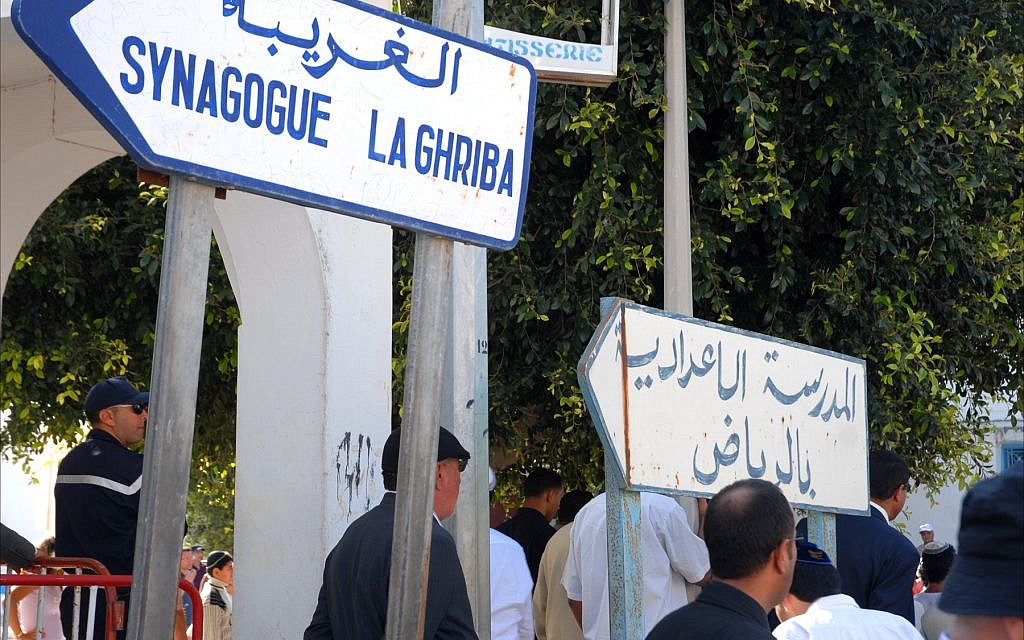
Many of these sites are found in Morocco (460), Iraq (352), Algeria (320), Yemen (301), Tunisia (231) and Syria (63).
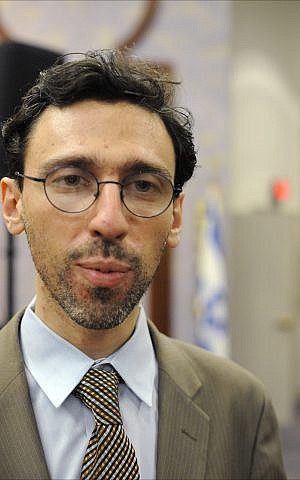
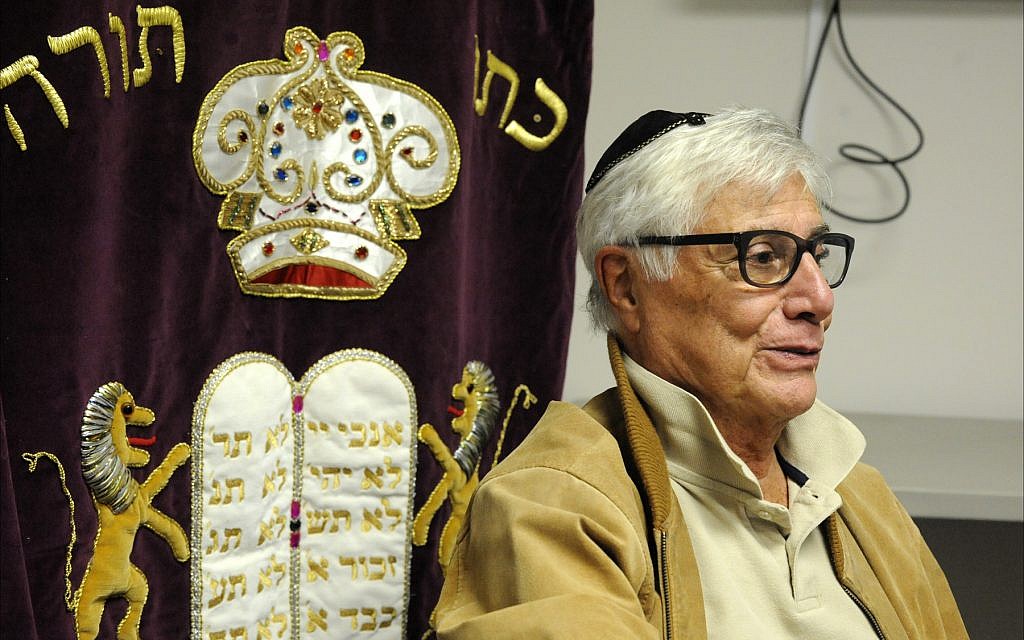
“When I talk about Jewish fortresses in Saudi Arabia, I get blank stares. But this highlights a forgotten history and also the sensitive nature of the work we’re doing,” said Jason Guberman, Diarna’s co-founder and coordinator.
“This is a historical project. We don’t get involved in the politics of the region. We focus on identifying and documenting sites, and on gathering data,” he said.
Guberman, interviewed during a recent speaking trip to the Washington, DC, area, said the concept behind Diarna took shape 10 years ago. It was spurred by his early graduation from college and a vague desire to chronicle the history of Middle Eastern Jewry outside of Israel.
“A friend who had just gotten back from Morocco said his daughter had Jewish roots there, and he was concerned how she’d connect with her Jewish heritage, as sites were decaying and getting destroyed,” Guberman recalled.
“We started thinking about how we could preserve this heritage and make it accessible. Then we struck upon this idea of using Google Earth to identify and document sites. We had two laptops — one showing Google Earth and other connecting pictures. With that gap year ahead of me, and this crazy network of friends throughout the Middle East, we launched in August 2008,” said Guberman.
Within a year, Diarna was nominated for the Slingshot Fund, which annually recognizes the top 50 Jewish projects in North America. It won again in its third year.
“They noted the efficiency of our volunteer team, which was contributing $150,000 to $200,000 worth of free labor annually,” said Guberman, who is also executive director of the American Sephardi Foundation (ASF). “Many of our researchers on the ground have been doing this out of the goodness of their hearts.”
On any given day, the size of Diarna’s team varies in size from 15 to 20 researchers and volunteers. Guberman said his goal is to identify Jewish sites — synagogues, schools, cemeteries, and the like. Then, he aspires to “build related data, which has come to include 3-D models, panoramas and any multimedia we can bring to bear that provides access to these communities.”
But this work often comes at a price. One of Diarna’s researchers was chlorine-gassed in Sinjar, Iraq, while working on an unrelated project to document human rights abuses by Islamic State (IS) against ethnic Yazidis.
In less extreme cases, the organization’s volunteers are sometimes harassed and intimidated for asking touchy questions about subjects local officials would rather not discuss.
One example is Libya, whose once-flourishing Jewish community dates to the destruction of Solomon’s Temple, when stones were carried from Jerusalem by Jews escaping the Romans and carried west across the desert to North Africa. By the early 20th century, about one-fourth of the inhabitants of Libya’s capital, Tripoli, were Jews.
But in 1967, following the Six Day War, that community was forced out.
Under the tyrannical role of Gen. Muammar Gaddafi, Libya was hostile to Jews and Israel and today, not a single Jew lives there — at least not openly. This makes the task of documenting the ruins of Tripoli’s Dar al-Bishi synagogue particularly challenging.
Things changed after the strongman’s overthrow in 2011.
“We had hoped to find someone going to Libya, but under the Gaddafi regime, not too many people were going there. The only other way was working with people on the ground, but we weren’t able to get any local informants,” Guberman said.
“Everyone was too scared, but at the least favorable time during the civil war, somebody contacted us — an international reporter for a major news agency — and told us she had just discovered Jewish history,” he said.
“We proceeded to have a very strange Skype conversation. She was surrounded by Gaddafi’s minders, but they weren’t monitoring web traffic, so I was able to send her an old Italian map. Then I didn’t hear anything for awhile.
“But she took pictures and made it into the synagogue. The only way in was a hole in the wall. She got in and got out. Then Gaddafi’s people confiscated her camera, but she had actually taken pictures on her smartphone so all the pictures were safe,” said Guberman.
Syria, like Libya, has a rich Jewish history, but has been torn apart by civil war.
Both the obscure shrine of Rabbi Yehuda ben Betera and a nearby Jewish cemetery are located in the northeastern town of Qamishli, which straddles the Syrian-Turkish border.
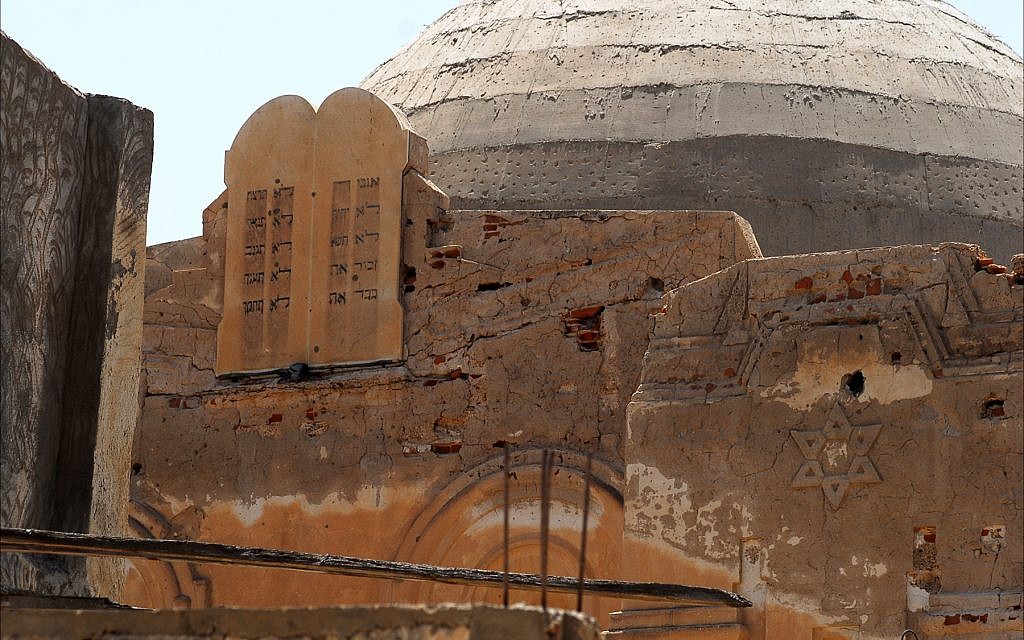
Badly deteriorated since the 1930s, the mud-brick structure holding the remains of the Second Temple-era rabbi has worsened even more in the last 20 years, according to recent photos. Little remains of it today.
According to unverified rumors, for a time in the late 1980s Jews in Damascus would fake their own deaths and request burial in Qamishli so they could cross the border into Turkey, Guberman said.
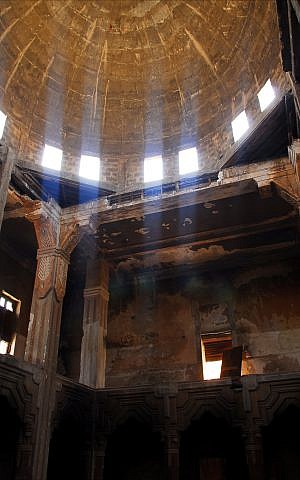
Sadly, the famous Eliyahu Hanavi synagogue in Damascus — with its elegant courtyard and ornate interior — took a direct hit and has been totally obliterated by the civil war.
“The rebels claimed the Assad regime destroyed it in 2014, while the regime said the rebels did it while Assad was trying to protect the synagogue. At some point, it was looted, and we don’t know what became of the beautiful decorations inside. A tree in the courtyard is still standing, however,” said Guberman.
He said Saudi Arabia’s Khaybar is his favorite site of all. Located in the fertile Hejaz region some 95 miles (153 kilometers) north of Medina, it supposedly houses seven or eight fortresses mentioned in the Hadith as housing some 20,000 Jews who had fled there after a dispute with the Prophet Muhammad.
“Using Google Earth, we have identified what we think are the seven fortresses,” Guberman said. “In the wake of the battle, Mohammad gave the Jewish community a choice: they could either stay and pay a tax, or they could convert, or they could leave. From what we know, people chose all those options.”
“Today, while Jews don’t remember the site, it’s highly politicized. Hezbollah has rockets named for Khaybar that they’ve launched against Israel. There’s even a slogan, ‘Jews, remember Khaybar. Muhammad’s army will return,’” he said.
This, Guberman says, attests to the fact that there was once a vibrant, wealthy Jewish community in Saudi Arabia at the time of Muhammad. That site, in fact, is now preserved by the Saudi government.
Diarna’s annual budget is less than $100,000, though Guberman says it’s largely a pro bono effort. Curiously, most of the organization’s field volunteers are non-Jews.
“We now have several ongoing expeditions throughout the region, but we have prioritized the oral histories,” said Guberman, whose team conducted 330 interviews last year alone.
“We’re running out of time in countries like Libya, Iraq and Yemen. Many people came from Tripoli, Benghazi or Baghdad, but not so many from smaller towns. There may be only one person left in a particular village, and we have to find that person and share those memories before it’s too late,” he said.






The Times of Israel Community.