

Government likely to declassify Yemenite children archives
400,000 documents deal with claims that hundreds were kidnapped in Israeli hospitals in 1950s and put up for adoption
 Add ToI as a Preferred Source on Google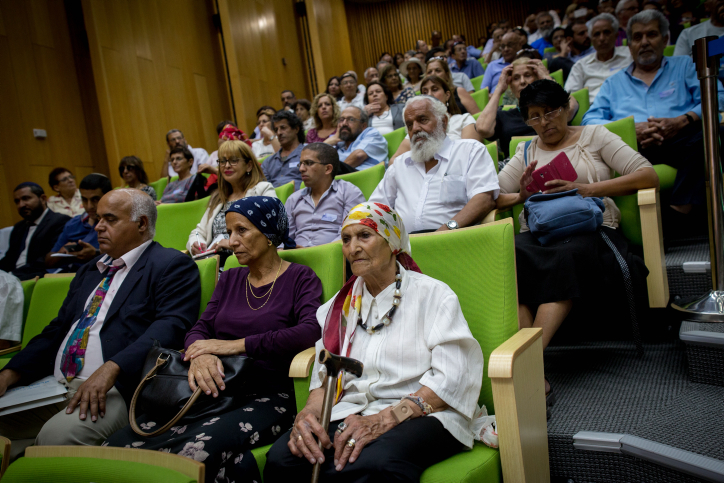
The government will vote Sunday on a plan to declassify some 400,000 documents in connection with allegations that hundreds of Yemenite children were kidnapped from Israeli hospitals in the 1950s.
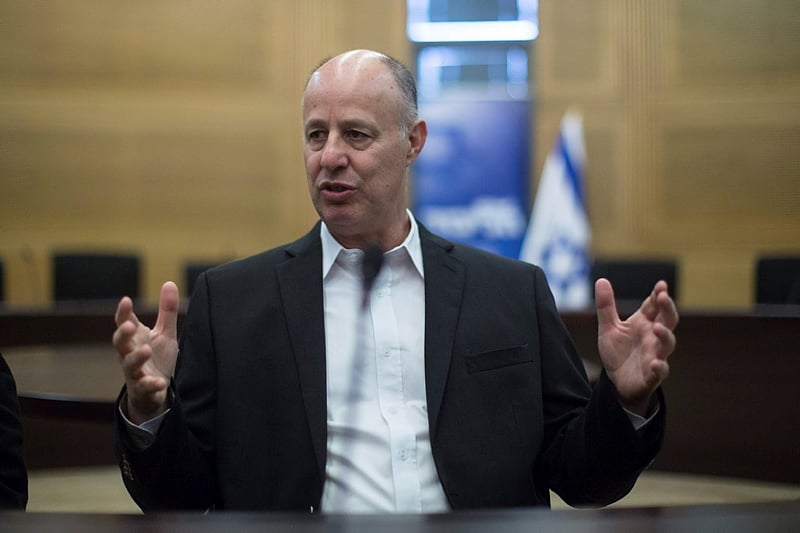
Minister-without-portfolio Tzachi Hanegbi of the Likud party, who was appointed by Prime Minister Benjamin Netanyahu to oversee a probe into whether the government should declassify documents linked to the so-called “Yemenite children affair,” will recommend declassification after consulting with the heads of the Mossad and Shin Bet security service, a Channel 10 report said Thursday.
The government was likely to accept his recommendation, meaning that more than 400,000 documents that were to be sealed in the state archives until 2071, would be freed up and even posted on the internet, the TV report said.
Many dozens of families from Yemenite and North African Jewish communities maintain the government systematically kidnapped hundreds of their children from Israeli hospitals and put them up for adoption with the influx of immigration in the 1950s.
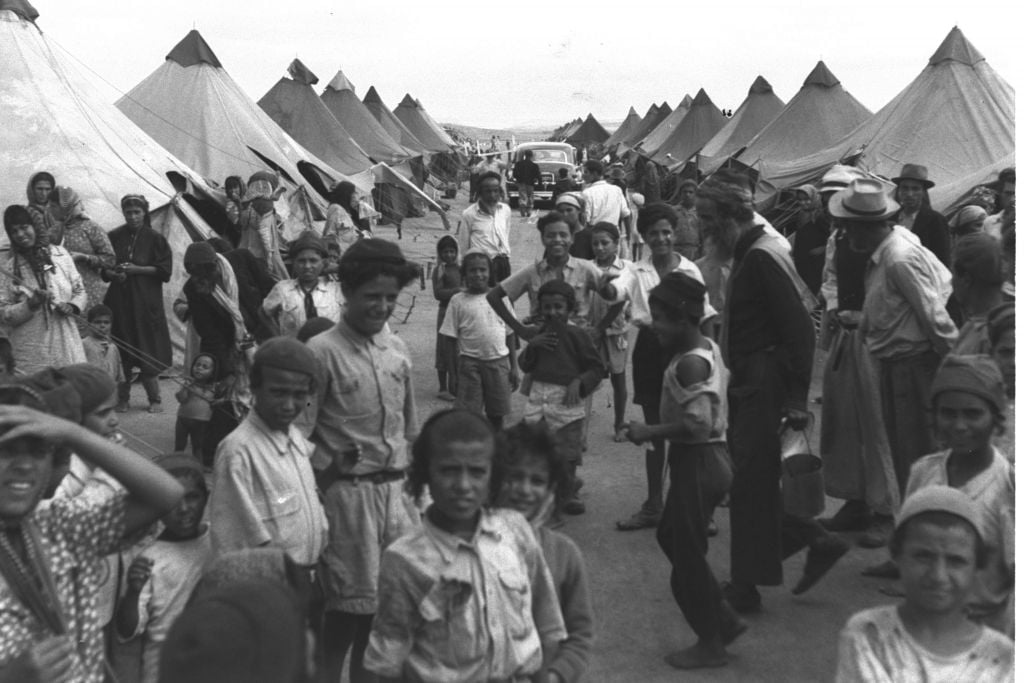
Over the past several decades, the government has appointed three investigative committees to probe the case, with all concluding the majority of children died in the hospital and were simply buried without the families’ being informed or involved.
The last panel to probe the affair in 2001 reached similar conclusions, but sealed various testimonies from the probe in the state archive until 2071.
Recently, several groups have urged the government to declassify the documents concerning the affair, arguing that if the several hundred children indeed died, the government should have nothing to hide.
Hanegbi has said that his initial inquiries indicate that hundreds of Yemenite children were kidnapped, but he could not determine whether the government of the day was involved in the kidnappings, or knew that they took place.







The Times of Israel Community.