

Israelis’ life expectancy rises to 83.8, making it 4th among OECD countries
Report shows dramatic rise in life expectancy of both men and women from 2022 to 2023, despite Israel investing only 7.6% of its GDP in health
 Add ToI as a Preferred Source on Google
Reporter at The Times of Israel
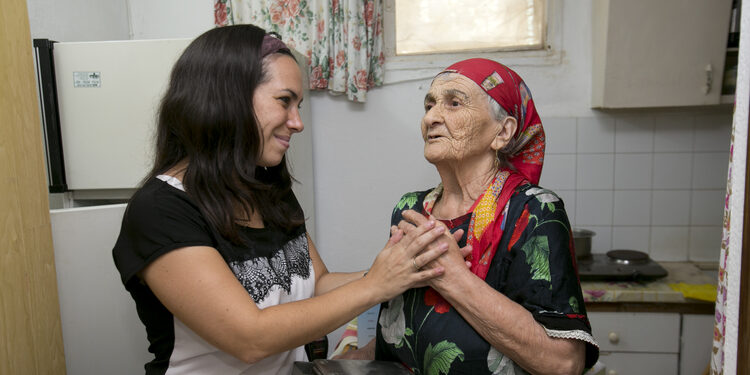
Despite its low health care spending, Israel ranked fourth in life expectancy both among the countries belonging to the Organization for Economic Co-operation and Development (OECD) and all other countries around the world, according to the OECD’s latest report.
The data, released by the Health Ministry, showed that in the latest year measured, 2023, Israelis were expected to live 83.8 years — after Japan (84.1), Switzerland (84.3) and Spain (84.0).
Moreover, the report indicated a dramatic rise in life expectancy in Israel between 2022 and 2023 among both women (from 84.8 to 85.7 years) and men (from 80.7 to 81.7 years).
This is an “extraordinary increase,” the ministry said, “that has only been observed in a limited number of countries, including the USA, Greece, Lithuania, Latvia, Poland, the Czech Republic and Estonia.”
Among the report’s most striking findings is that Israel comes in second after Switzerland with the lowest preventable mortality rate among OECD countries, at 134 deaths per 100,000 people.
This places Israel among a small group of OECD countries that are characterized by both low health spending and a lower-than-average preventable mortality rate.

A low investment in health care
According to the data, Israel devotes 7.6 percent of its GDP to health, a significantly smaller proportion than European countries such as Germany (12.3%), Austria and Switzerland (11.8% each), and France (11.5%).
The infant mortality rate is also lower than the OECD average, and stands at only 2.7 per 100,000 births, despite existing gaps between different groups in the population, the Ministry said. It attributed that statistic to a “focused investment in increasing public awareness and promoting access to genetic testing.”
Decrease in mortality rates
The decrease in the mortality rate from 170 per 100,000 people in 2010 to 134 per 100,000 people in 2023 reflects Israel’s success in promoting public health and primary prevention, along with providing quality and accessible health services, including timely emergency care, the ministry said.
Since 2015, death from heart disease has also decreased in Israel. The current rate is only 49.4 deaths per 100,000 people, among the lowest in the OECD. The ministry said this indicates “an improvement in prevention policies, quality of care, and accessibility to medical services.”
Vaccination rate is over 90%
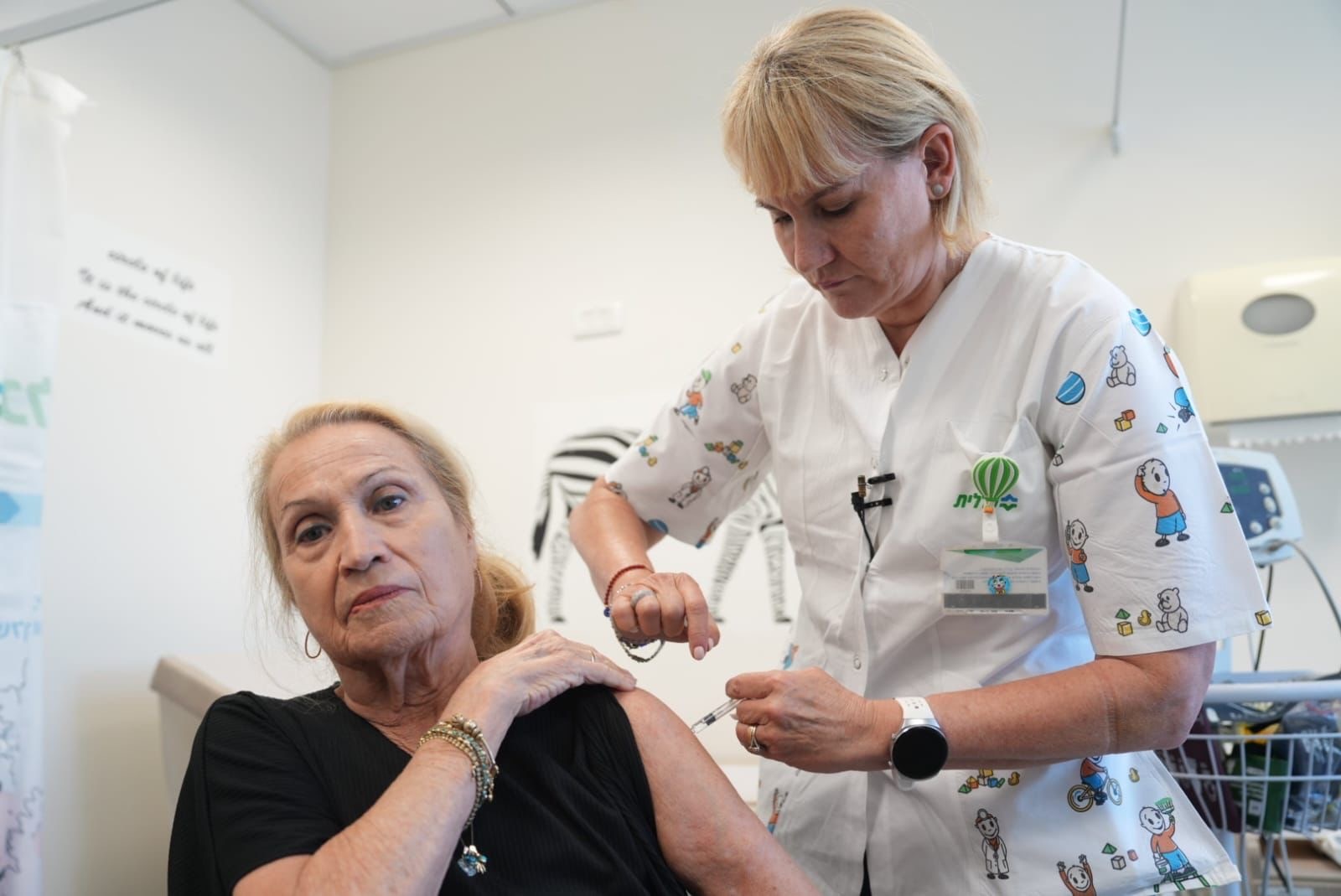
The vaccination rate in Israel, in general, and against measles in particular, is similar to the OECD average over the past decade, and stands at over 90%. Routine vaccinations are a central part of the core of public health in Israel, and are of broad importance to society as a whole.
The ministry noted the worldwide trend of decreasing vaccination rates, and said that it is taking extensive steps to increase coverage.
Israelis still smoke too much
However, alongside impressive achievements in various indicators, Israel also has health challenges that require attention and are also reflected in the report’s data, the ministry said.
Approximately 16% of all Israelis are smokers, which contributes to approximately 8,000 deaths per year. Despite a downward trend in the last decade, the decline in smoking in Israel has been slower and less consistent than in most OECD countries.

“The data from the OECD illustrate what we see every day in the Israeli health system – excellence that is achieved despite resource limitations,” said Dr. Asher Shalmon, director of the ministry’s International Relations Division.
“Our health system is a source of national pride and also an engine for international health diplomacy, and we intend to preserve and strengthen these achievements for the sake of public health in Israel,” he said.









The Times of Israel Community.