

Isrotel hotel chain tells displaced families in Eilat they must exit by March 1
600 evacuees from Kiryat Shmona in the north told to relocate; chain says they can move to other hotels it owns; municipality pans attempt to make more money from Passover holiday
 Add ToI as a Preferred Source on Google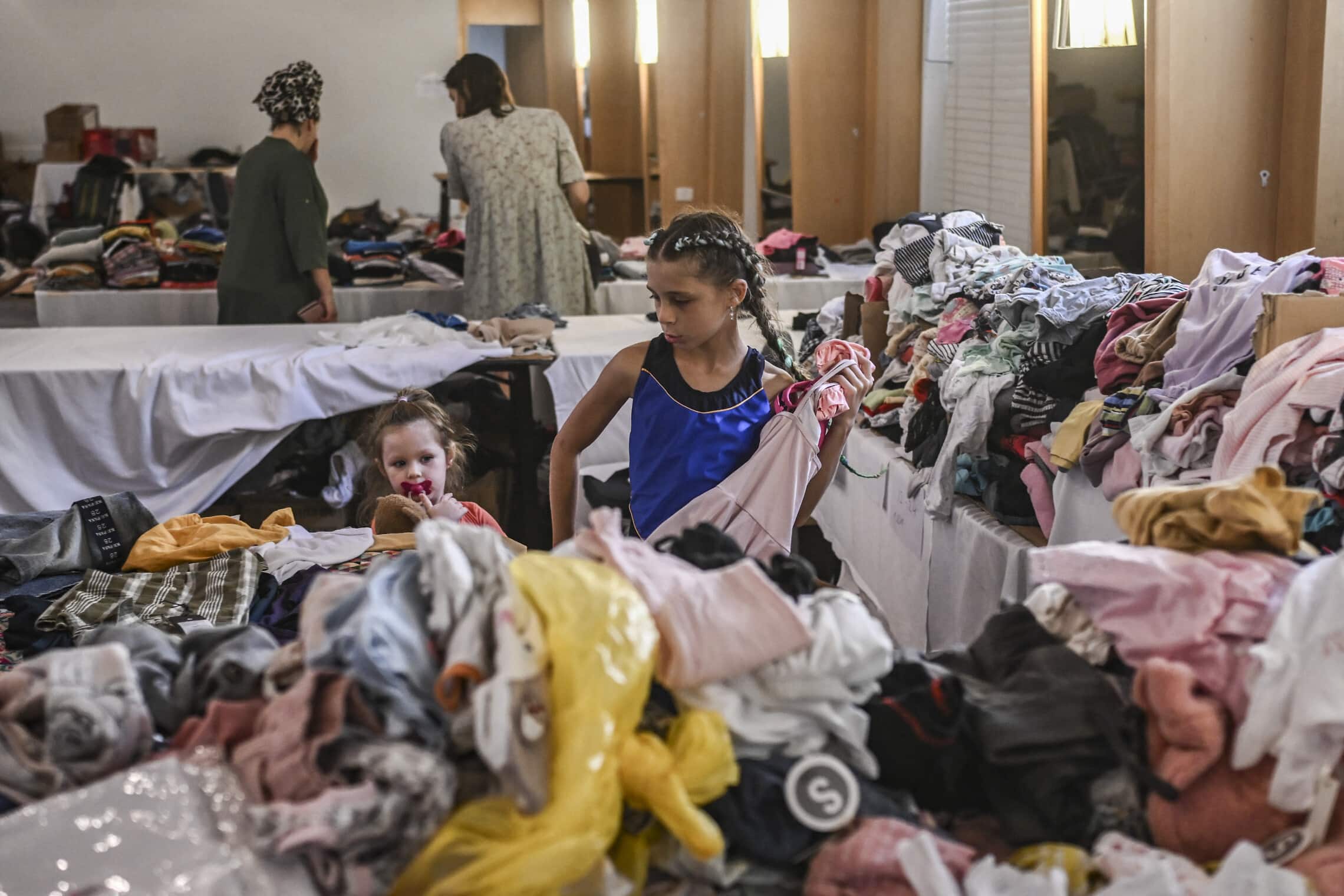
The Isrotel hotel chain has notified families displaced by fighting in the north of the country that they must leave some of its Eilat hotels, where they were put up under a government-funded evacuation program.
Evacuees were given until the end of February to relocate, and were offered places in other hotels in the chain both in Eilat and elsewhere in the country, according to Hebrew media reports Sunday.
The chain said later that evacuees were being given the option to move to other hotels it owns in the city and elsewhere.
For the past four months, Isrotel has hosted thousands of residents of the Kiryat Shmona border town who were forced to leave their homes due to daily border attacks and rocket fire from terror groups in Lebanon, led by the Iran-backed Hezbollah terror group.
According to the Ynet news site, some 600 Kiryat Shmona residents occupying 200 hotel rooms in Eilat have been asked to move.
The Kiryat Shmona municipality and Mayor Avichai Stern, slammed the development, saying it would be a blow to families that have become acclimatized to their current hotel locations after the trauma of being forced out of their homes by the fighting. The municipality called on residents to stay put and refuse to leave their current hotel accommodations.
Kiryat Shmona city officials attributed the development to the hotel chain wanting to clear space for paying guests during the approaching Passover holiday in April.
“Our residents do not intend to leave the hotels that have become a home and a pillar of stability for them and their children,” Stern told Ynet.
“I want every guest in Israel who books a room at an Isrotel hotel in Eilat to know that because of it they expelled evacuees, children, old people, and families,” he said.

Stern accused Isrotel of making a “fortune” from “easy money” by hosting evacuees and now casting them aside as tourism picks up.
He said forcing out the evacuees would cause hundreds of children to be uprooted from education systems that they have integrated into since being evacuated from Kiryat Shmona.
Stern added that residents were only prepared to leave the hotels if they could return to their homes. However, skirmishes along the border with Lebanon and rocket attacks have been ongoing.
After the hotel chain notified Kiryat Shmona municipal authorities on Thursday that their residents would be required to leave, a meeting was held on Sunday between representatives of evacuated communities and Isrotel managers. But the talks ended without an agreement between the two sides on the fate of the evacuees.
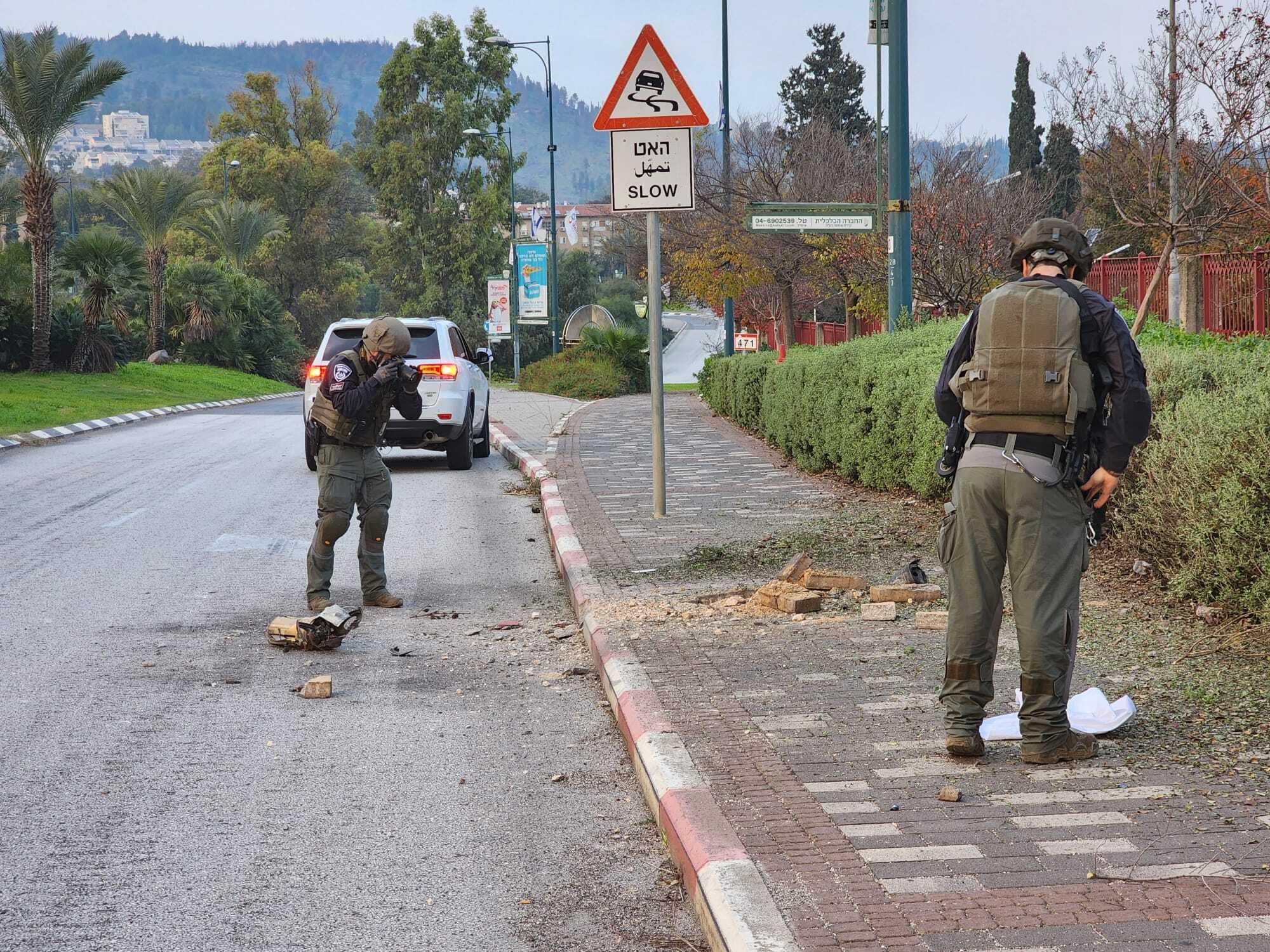
Moshe Davidovich, the head of the Mateh Asher Regional Council in the Western Galilee, told Ynet that evacuees from Kibbutz Matzuva in the region who are staying at an Isrotel hotel in the Carmel Forest were also told they must leave.
Davidovich said he had “long talks” with Tourism Minister Haim Katz and the ministry’s director-general but ultimately it will fall on the council to find a solution.
“This is a scandal no matter how you look at it, and as we get closer to the tourist season we will see this in more and more hotels,” Davidovich said. “We call on the government to wake up. The residents of the north are not puppets in a show.”
Allegra Peretz, who was evacuated from Kiryat Shmona with her children and who gave birth to a fourth child two weeks ago, told Ynet that she was given a week’s notice to leave her hotel room as it had been booked for Passover.
“I can’t pack up everything after four months and move to another hotel, it’s like packing up an entire house,” she lamented. “The children see this place as a home, we have a community and [educational] institutions here. They didn’t tell us where they want us to go. We found a place here that gave us peace, but they are throwing us out again.”
Golan Buchris, who has been living in the King Solomon Hotel in Eilat with his family for three months, said the move “will undermine the small amount of emotional stability we managed to maintain for the children and families.”
“This place has become a home for us in the past months. It’s not normal that they want to uproot us again,” he complained. “There are people here who have been displaced from one place to another three times already.”

Isrotel said in a statement that since October 7 it made all of its 23 hotels available for evacuees, adding, “We are committed to our employees and guests, and the chain will return to its normal operations on March 1.” It said was offering evacuees the chance to move to another of its hotels in Eilat, or locations in Tel Aviv, Herzliya and the shore of the Sea of Galilee.
Ynet said that hotel managers told Kiryat Shmona residents the evacuees had become a burden as the hotels are getting phone calls from people interested in booking rooms.
Tens of thousands of people from communities close to the Gaza border have been displaced since October 7, when thousands of Hamas-led terrorists stormed through the Gaza border, slaughtering some 1,200 people and seizing 253 hostages.
Dozens more communities in the north of the country were also evacuated after the massacre, as Hezbollah began launching near-daily attacks from across the Lebanon border.
In total, close to 200,000 people were evacuated in the immediate aftermath of October 7 and the subsequent war. Four months later, an estimated 56,000 evacuees remain displaced, living in 380 hotels across Israel.
The arrangement has led to strained living conditions and, in some cases, criminal behavior.
Earlier this month a welfare expert reported cases of sexual and physical abuse of women and minors evacuated to hotels at the start of the war, during a special session of the Knesset Committee for the Advancement of the Status of Women and Gender Equality.
The police have opened 116 cases involving evacuees living in hotels, a police representative told the panel. Of that number, 40 are cases of domestic violence.
On Sunday the Prime Minister’s Office and the Finance Ministry released a joint statement saying that a deal had been reached with local municipal leaders in the south over a plan to return to communities evacuated since the start of the war.
According to the statement, people will be able to return to Sderot and other border towns, in coordination with IDF approval, beginning March 1.
Those who prefer instead to remain in hotels are eligible for funding for their stays until July 7, the statement said.








The Times of Israel Community.