

Knesset formally clears way for elections on September 17
Lawmakers vote on second and third readings of bill to hold fresh ballot this year after Netanyahu failed to form coalition
 Add ToI as a Preferred Source on Google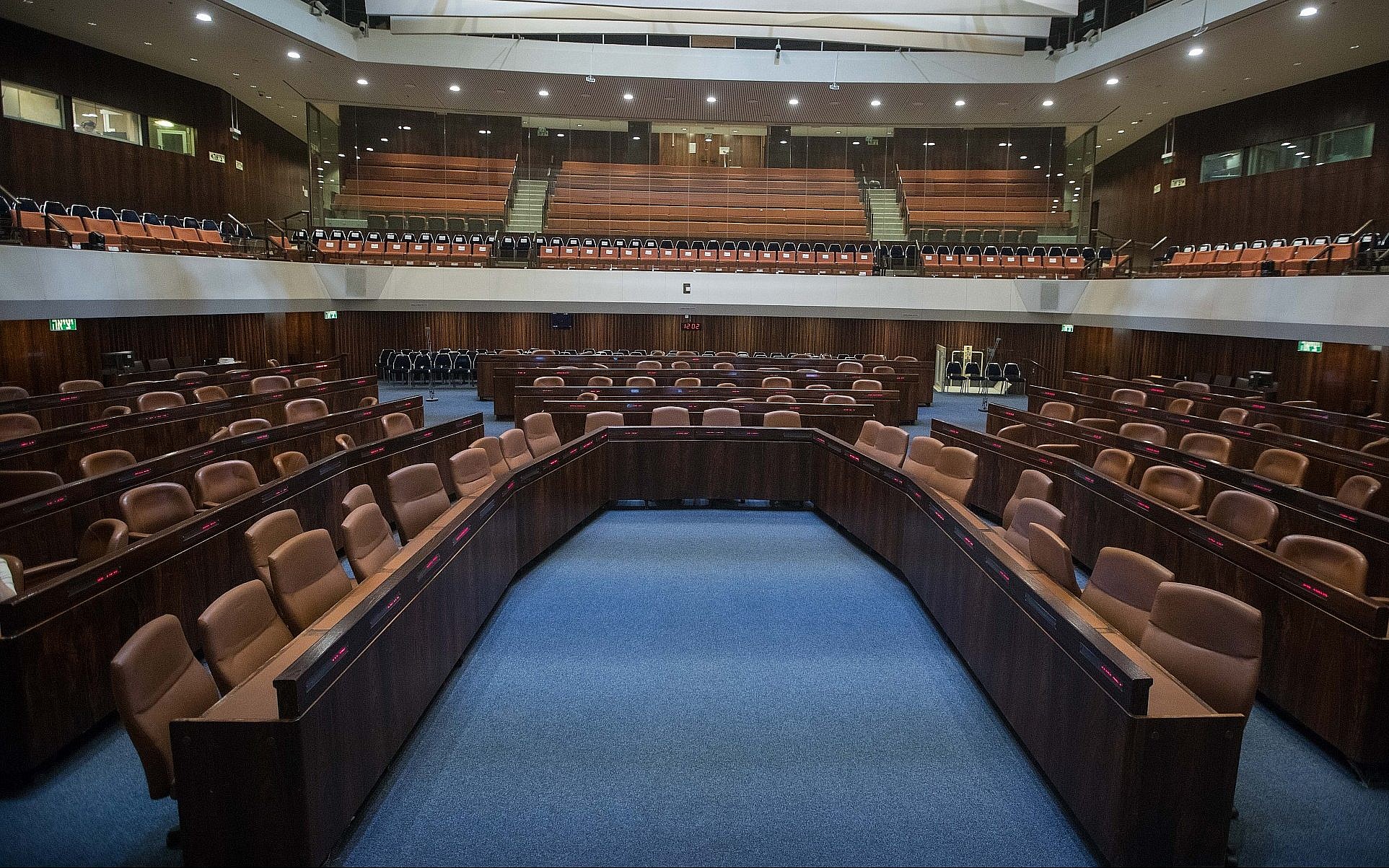
Lawmakers on Wednesday passed the second and third readings of a law setting a new round of elections on September 17 after Prime Minister Benjamin Netanyahu failed to cobble together a coalition last week.
The bill, proposed by Likud MK David Bitan, had no nay votes.
The new law specifies that the Central Elections Committee’s budget will be the same as for the last election — NIS 283 million ($78.5 million). Requests for additional funds will have to be approved by the committee and then by the Knesset Finance Committee.
Election committee workers are to get pay raises of up to 35 percent, the precise amount to be determined by whichever judge ends up heading the committee.
The Central Elections Committee that managed the April 9 poll was led by Supreme Court Justice Hanan Melcer.
In another nod to the need to prepare speedily for an unprecedented second election in a single year, the law specifies that public service workers who were hired by the Central Elections Committee last time around will automatically be eligible for employment this time as well.
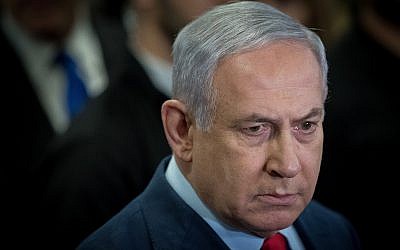
On May 29, the Knesset voted to dissolve a mere month after it was sworn in, after Netanyahu failed to meet the midnight deadline to form a new government.
After a raucous 12-hour debate, lawmakers voted 74 to 45 in favor of the Likud-drafted bill to dissolve the 21st Knesset and hold new elections on September 17.
Likud, Yisrael Beytenu, United Torah Judaism, Shas and Union of Right-Wing Parties were joined by the two Arab Israeli parties, Ra’am-Balad and Hadash-Ta’al, in supporting the motion.
Netanyahu had appeared set to secure a fourth consecutive term after elections on April 9, thanks to a strong showing by his Likud party and his other nationalist and religious allies.
But in a shocking turn of events for the longtime leader, he failed to muster a majority coalition due to an impasse between the secular and ultra-Orthodox members of his would-be coalition over a contentious military conscription law.








The Times of Israel Community.