

Leonardo DiCaprio invests in Israeli cultured meat startup Aleph Farms
Actor and environmental activist contributes undisclosed amount as part of Israeli company’s recent $105m funding round
 Add ToI as a Preferred Source on Google
Ricky Ben-David is a Times of Israel editor and reporter
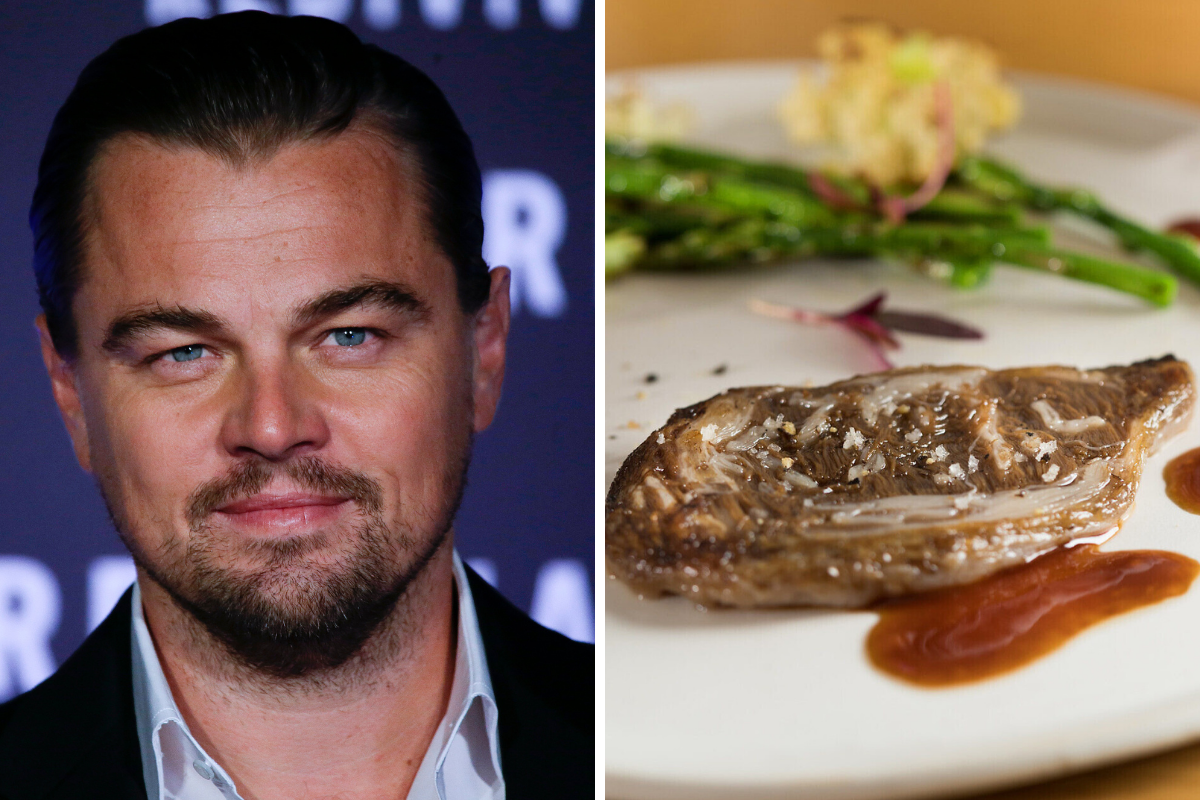
Actor and environmental activist Leonardo DiCaprio recently invested an undisclosed amount in Israeli alternative meat startup Aleph Farms, a maker of cultivated meat that grows steaks from modified cattle cells, according to an announcement on Wednesday
The investment was made as part of Aleph Farms’ $105 million Series B funding round in July.
The movie star also backed Netherlands-based alt-meat startup Mosa Meat, according to the announcement. The Dutch company unveiled the first cultured hamburger in 2013 and recently announced an $85 million funding round.
Aleph Farms, meanwhile, rolled out the first cultivated steak in 2018 and a cultivated ribeye cut earlier this year.
DiCaprio will be joining both startups as an advisor, according to the statement. The actor has long championed environmentalism with his eco-focused Leonardo DiCaprio Foundation, giving out $100 million in grants for everything from lion recovery and mangrove restoration to the defense of indigenous rights and better access to affordable solar energy.
In 2019, he joined billionaire investors and philanthropists to create a new nonprofit, Earth Alliance, charged with tackling climate change and the loss of biodiversity.
“One of the most impactful ways to combat the climate crisis is to transform our food system,” DiCaprio said in the statement released on Wednesday. “Mosa Meat and Aleph Farms offer new ways to satisfy the world’s demand for beef, while solving some of the most pressing issues of current industrial beef production. I’m very pleased to join them as an advisor and investor, as they prepare to introduce cultivated beef to consumers.”

Dr. Didier Toubia, co-founder and CEO of Aleph Farms said that “as a committed environmentalist, we welcome Leonardo DiCaprio to our advisory board and family of top-tier investors. Our team is committed to improving the sustainability of our global food systems and we’re thrilled to have Leo share in our vision.”
“With his passion for and dedication to climate action, we expect this collaboration will lead to great things together,” Toubia added in a video announcement.
“Food systems touch all people, and it will take all of us to make this change happen,” he said.
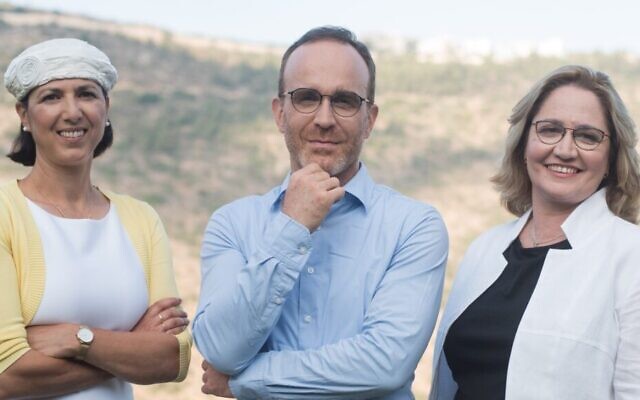
Toubia founded Aleph Farms in 2017 with Professor Shulamit Levenberg of the Biomedical Engineering Faculty at the Technion – Israel Institute of Technology, alongside Israeli food-tech incubator The Kitchen, a part of the Strauss Group.
To produce its meat, Aleph leverages the ability of animals to grow tissue muscle constantly and isolates the cells responsible. It then reproduces the optimal conditions for these cells to grow into tissue, basically growing meat outside the animal.

The tissue is grown in tanks that act as fermenters, similar to those in a brewery. There the cells are nurtured and shaped into a 3D structure that makes the meat.
Aleph Farms’ most recent investors include L Catterton, an American-French consumer-focused private equity firm with over $30 billion in equity capital, and DisruptAD, the venture capital arm of the Abu Dhabi holding company ADQ. The startup is also backed by a consortium of global food and meat companies, including Thai Union, BRF, and CJ CheilJedang.
The company has raised more than $110 million to date and has plans for a market launch in 2022. It signed an agreement earlier this year with Mitsubishi Corporation’s Food Industry Group to bring cultivated meat to the Japanese table.
The Israeli firm has also set up similar partnerships with other multinationals: The Swiss industrial group Migros and the United States-based food corporation Cargill have also invested in the startup.
Aleph Farms is a leading player in a growing Israeli food tech sector. The global cultivated meat industry could reach $25 billion by 2030, according to analyst estimates.
AP contributed to this report.










The Times of Israel Community.