

Levin says he’ll let Supreme Court ‘disappear’ if his justice picks are not selected
Justice minister’s comments come as deadline to submit timeline for convening Judicial Selection Committee is set to expire; office won’t say whether he intends to comply with it
 Add ToI as a Preferred Source on Google
Jeremy Sharon is The Times of Israel’s legal affairs and settlements reporter
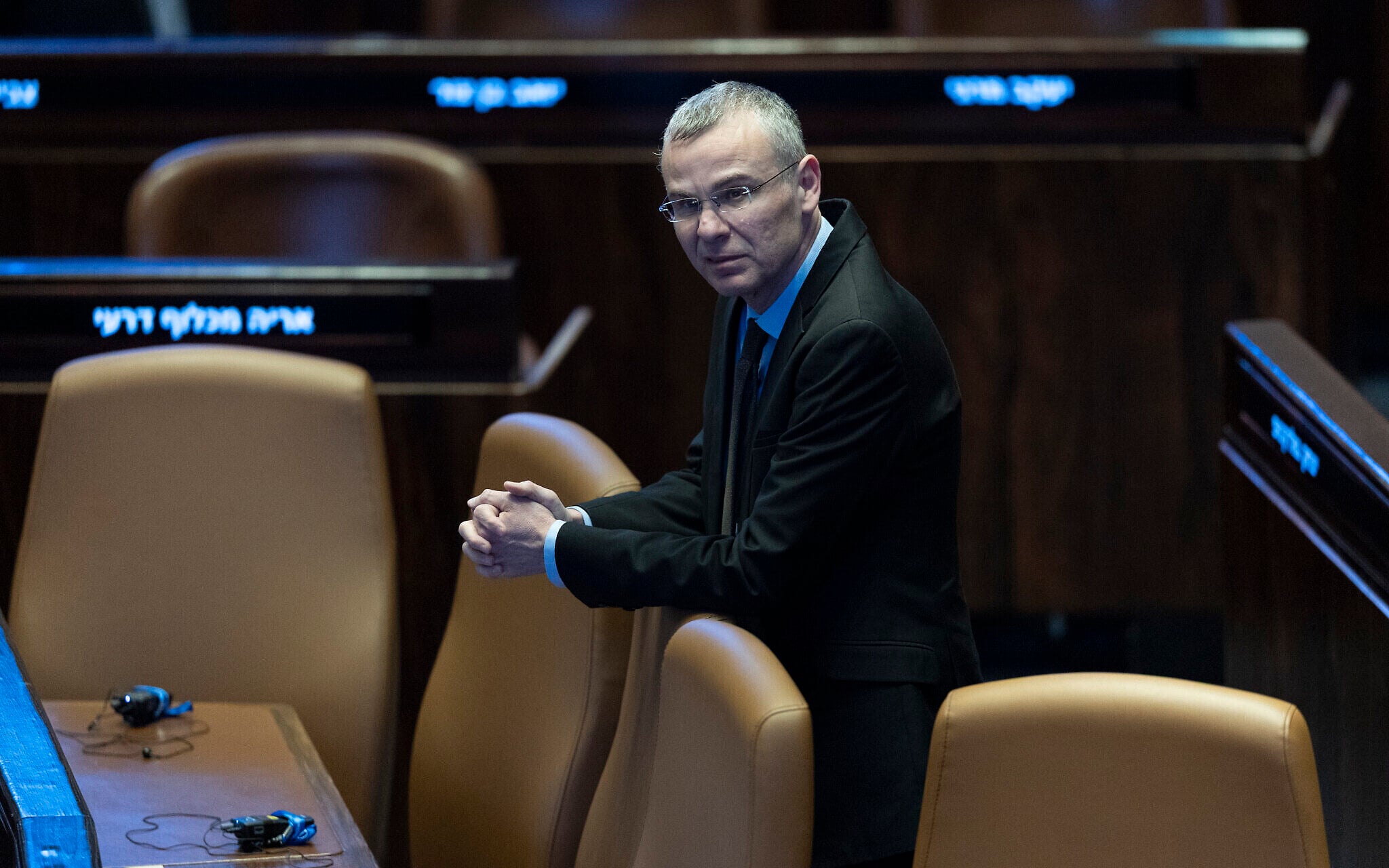
Justice Minister Yariv Levin said Thursday that if the two hardline conservative academics he wants appointed to the Supreme Court do not get appointed, he will let the court “disappear” by refusing to make any new appointments to the top court at all.
“I say the following to the judges and to the opposition members: There are currently four vacant seats on the Supreme Court, and in the next term another five justices will leave,” Levin noted, referring to justices who will reach age 70 during the upcoming four-year Knesset term, and thus be automatically retired.
“Altogether there will be nine vacant seats,” the justice minister noted, in an interview with the Ynet news site. There are fifteen total seats on the court, a number established by the Knesset, meaning there would only be six justices remaining.
“I support reaching an agreement and making appointments that will diversify the court; if there is willingness [to do so], all the better. If there is no willingness, the court will gradually disappear on its own,” he said.
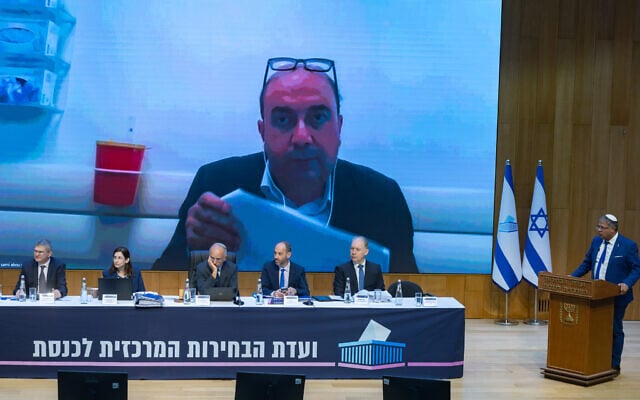
The remarks came as a Thursday deadline, handed down by the court, to provide a timeline for convening the Judicial Selection Committee was set to expire. As of the evening, he was not known to have submitted one yet.
The justice minister has refused to make appointments to the Supreme Court for the entire duration of his tenure, because he has lacked the votes on the committee to have Aviad Bakshi and Raphael Bitton appointed.
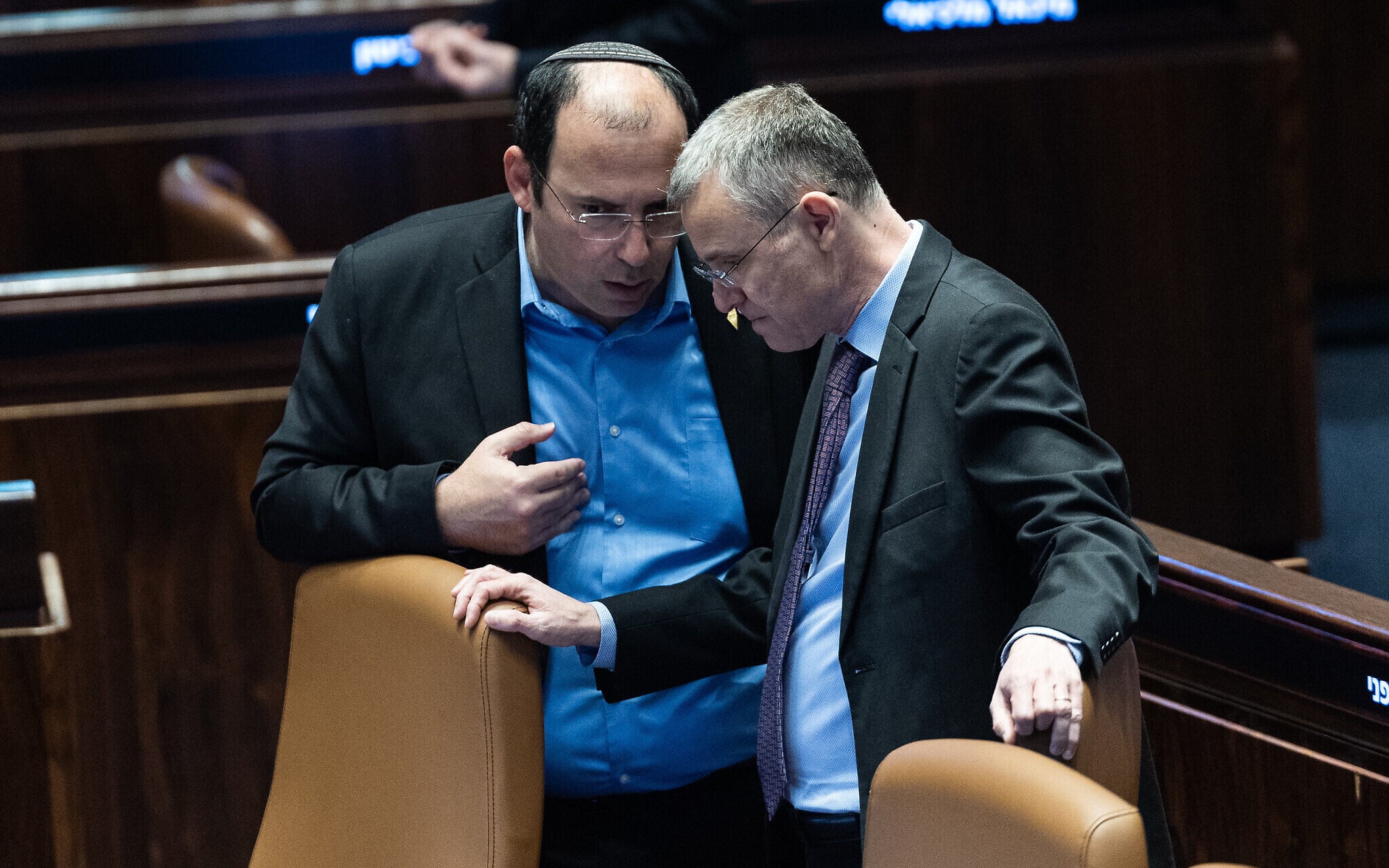
“I insist that people who express a different worldview [than the current justices] enter the Supreme Court,” Levin told Ynet, accusing even the strongly conservative judges on the court at present of judicial overreach.
“I’m not asking to determine all of the judges [on the Supreme Court]. Throughout the entire process, I proposed compromise solutions,” he insisted.
Levin has not convened the Judicial Selection Committee since the High Court ordered him to do so to appoint a new Supreme Court president in January 2025, which he eventually did, although he boycotted the vote and has refused to recognize the authority of Court President Isaac Amit, who was appointed at the time.
The committee, which Levin chairs, cannot convene once the Knesset is dissolved for elections, which is slated to happen by July 27.
Additionally, the names of candidates for judicial positions must be published in the state gazette 45 days before the Judicial Selection Committee can deliberate on their nomination, meaning that the last date for publication, if there is to be a vote in the committee, is June 13.
According to Yesh Atid MK Karine Elharrar, a Judicial Selection Committee member, Levin has refused to even publish candidates’ names in the gazette until the entire nine-member committee agrees on a list of nominations, which does not seem on the horizon.
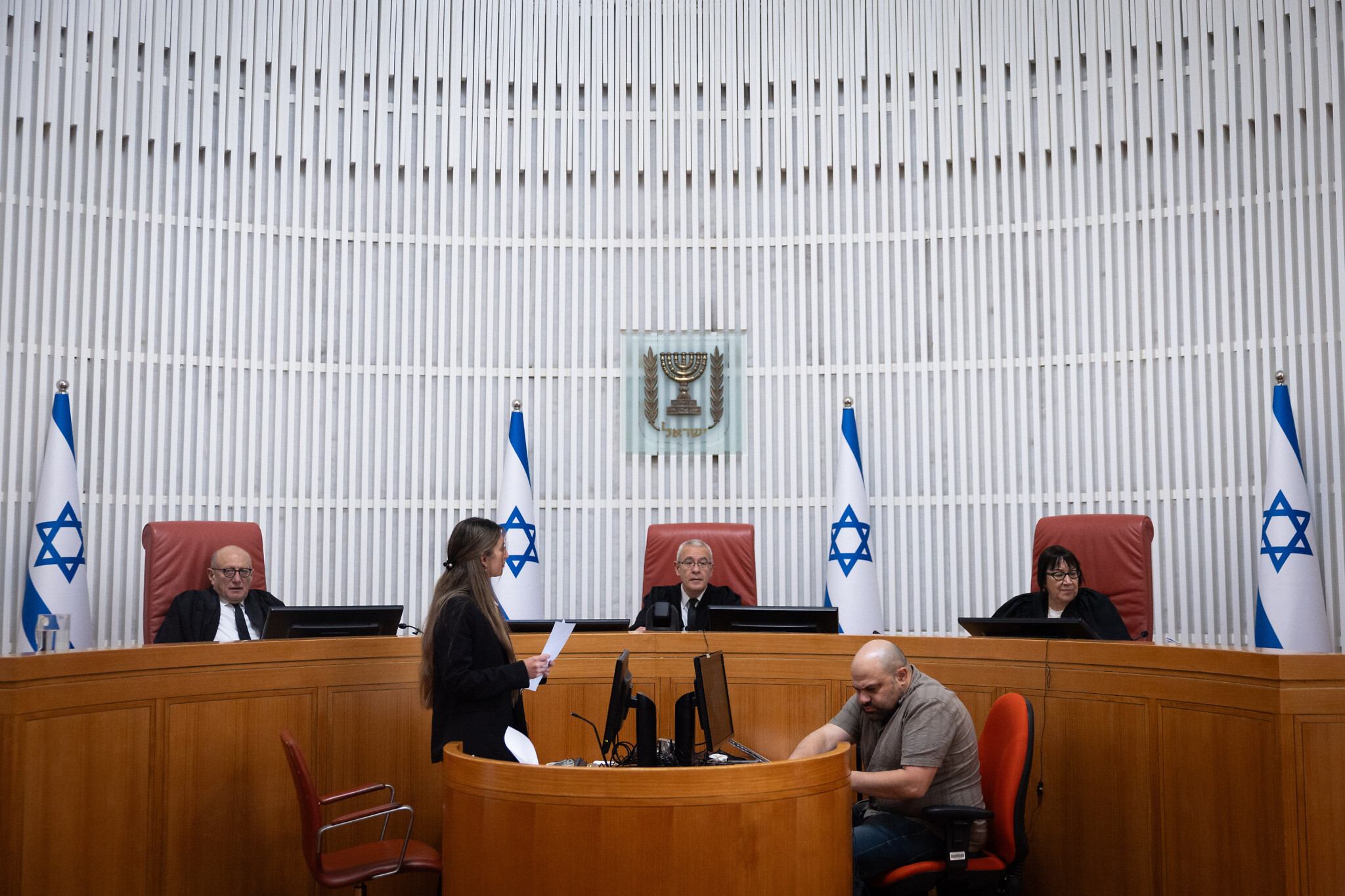
Last month, the three Supreme Court justices who serve on the Judicial Selection Committee accused Levin of “abusing” his power as chairman to veto different judicial candidates, and of “crassly” ignoring the needs of many courts to fill judicial vacancies.
The court gave him until Thursday to provide a timeline for convening the committee. As of Thursday evening, he had not done so.
Sought for comment, Levin’s office declined to say whether the justice minister would file the timeline requested by the court by the end of the day.
The deadlock on the Supreme Court could be resolved without such tactics in the next Knesset if Levin remains justice minister, since a controversial law passed by the Knesset enabling both the coalition and opposition to force through the appointment of their desired candidates will come into effect.
That law itself will be reviewed by the Supreme Court in its capacity as the High Court of Justice.
Asked by Ynet whether he and the government might outright disobey a court order in the future, Levin said: “We’ve made a big effort, every step of the way, not to arrive at that point, but the court has made a supreme effort to bring us there.”
“I have no doubt that the point at which it will be impossible to accept these things is nearing,” he said.






The Times of Israel Community.