

 From the Liveblog of
Wednesday, August 19, 2015
From the Liveblog of
Wednesday, August 19, 2015
Iran to do own sampling at Parchin, provide photos
 Add ToI as a Preferred Source on Google
The agreement between the UN nuclear body and Tehran diverges from normal inspection procedures between the IAEA and a member country by essentially ceding the agency’s investigative authority to Iran. It allows Tehran to employ its own experts and equipment in the search for evidence for activities that it has consistently denied — trying to develop nuclear weapons.
The White House has denied claims by critics that a secret “side deal” favorable to Tehran exists.
Olli Heinonen, who was in charge of the Iran probe as deputy IAEA director general from 2005 to 2010 ,said he can think of no instance where a country being probed was allowed to do its own investigation.
The document seen by the AP is a draft that one official familiar with its contents said doesn’t differ substantially from the final version. He demanded anonymity because he isn’t authorized to discuss the issue.
It is labeled “separate arrangement II,” indicating there is another confidential agreement between Iran and the IAEA governing the agency’s probe of the nuclear weapons allegations.
The document suggests that instead of carrying out their own probe, IAEA staff will be reduced to monitoring Iranian personnel as these inspect the Parchin site.
Iran will provide agency experts with photos and videos of locations the IAEA says are linked to the alleged weapons work, “taking into account military concerns.”
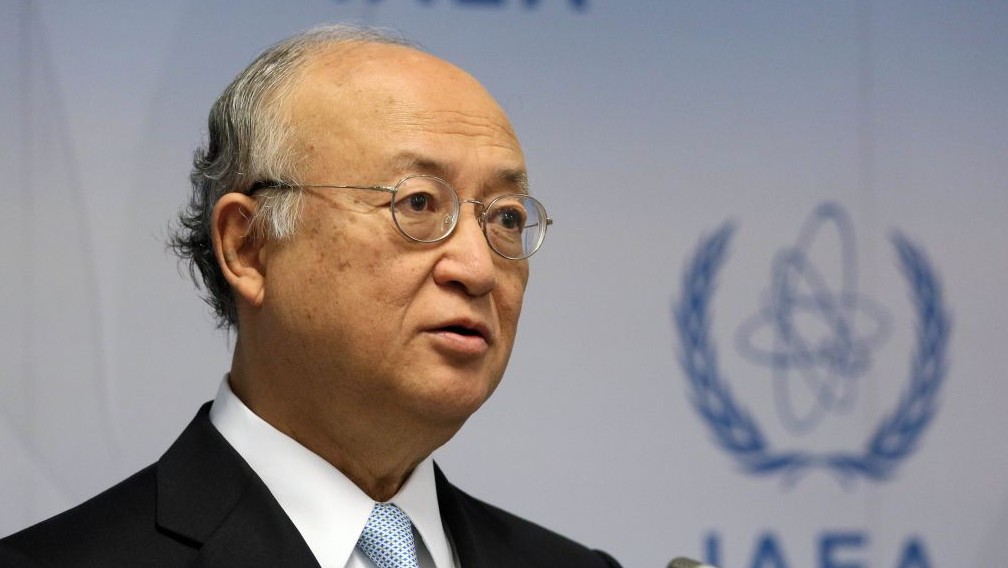
That wording suggests that — beyond being barred from physically visiting the site — the agency won’t even get photo or video information from areas Iran says are off-limits because they have military significance.
IAEA experts would normally take environmental samples for evidence of any weapons development work, but the agreement stipulates that Iranian technicians will do the sampling.
The sampling is also limited to only seven samples inside the building where the experiments allegedly took place. Additional ones will be allowed only outside of the Parchin site, in an area still to be determined.
“Activities will be carried out using Iran’s authenticated equipment consistent with technical specifications provided by the agency,” the agreement says. While the document says that the IAEA “will ensure the technical authenticity” of Iran’s inspection, it does not say how.
The draft is unsigned but the signatory for Iran is listed as Ali Hoseini Tash, deputy secretary of the Supreme National Security Council for Strategic Affairs instead of an official of Iran’s nuclear agency. That reflects the significance Tehran attaches to the agreement.
— AP






The Times of Israel Community.