

 From the Liveblog of
Monday, October 27, 2025
From the Liveblog of
Monday, October 27, 2025
Jordan’s king: International forces in Gaza can be peacekeepers, not peace-enforcers
 Add ToI as a Preferred Source on Google
Lazar Berman is The Times of Israel's diplomatic reporter
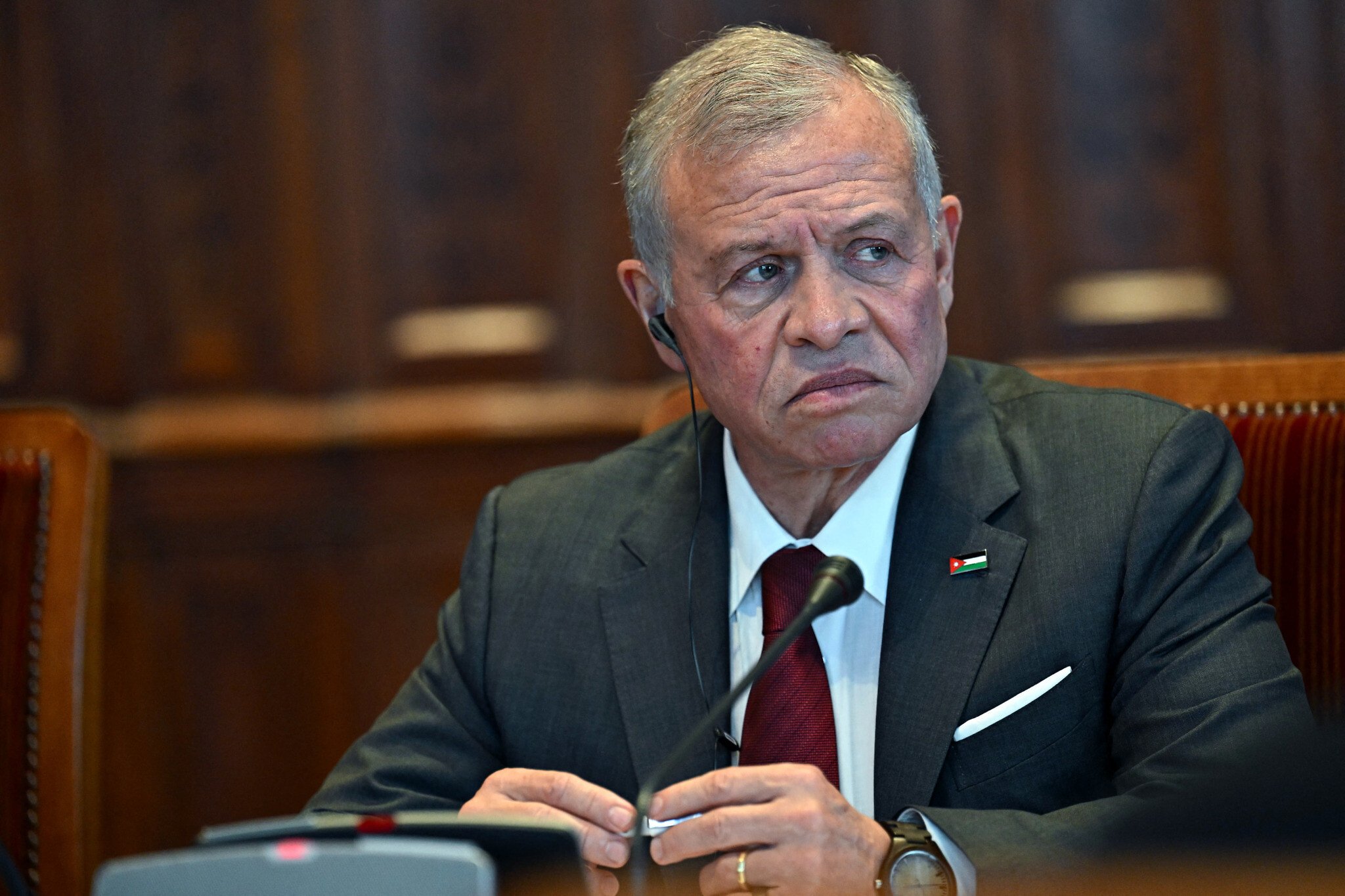
International forces that may be deployed in Gaza under US President Donald Trump’s ceasefire plan will not be willing to enforce peace in the strip, Jordan’s King Abdullah tells the BBC.
“What is the mandate of security forces inside of Gaza? And we hope that it is peacekeeping, because if it’s peace-enforcing, nobody will want to touch that,” says Abdullah.
According to the United Nations, peacekeeping operations are guided by the “non-use of force except in self-defense and defense of the mandate,” while peace enforcement needs a UN Security Council resolution and “involves the application of a range of coercive measures, including the use of military force.”
“Peacekeeping is that you’re sitting there supporting the local police force, the Palestinians, which Jordan and Egypt are willing to train in large numbers, but that takes time,” says the king. “If we’re running around Gaza on patrol with weapons, that’s not a situation that any country would like to get involved in.”
Israel has demanded that Hamas disarm as part of the end of the two-year war, and the US has also insisted that the group will have to give up its weapons to move forward with its 20-point plan. A senior Hamas leader said yesterday that the terror group will only disarm “if the occupation ends.”
The Jordanian monarch tells the BBC that Jordanian forces will not be sent into Gaza because Amman is “too close politically” to the conflict.
Abdullah is asked whether he trusts Hamas to disarm, and declines to answer directly, saying instead: “I don’t know them, but those that are working extremely close to them — Qatar and Egypt — feel very, very optimistic that they will abide by that.
“If we don’t solve this problem, if we don’t find a future for Israelis and Palestinians and a relationship between the Arab and Muslim world and Israel, we’re doomed,” he says.





The Times of Israel Community.