

Ministerial panel votes unanimously to recommend firing the attorney general
Baharav-Miara requests High Court freeze the dismissal process until it rules on its legality, arguing that allowing the ‘unlawful’ process to advance is harming the rule of law
 Add ToI as a Preferred Source on Google
Jeremy Sharon is The Times of Israel’s legal affairs and settlements reporter
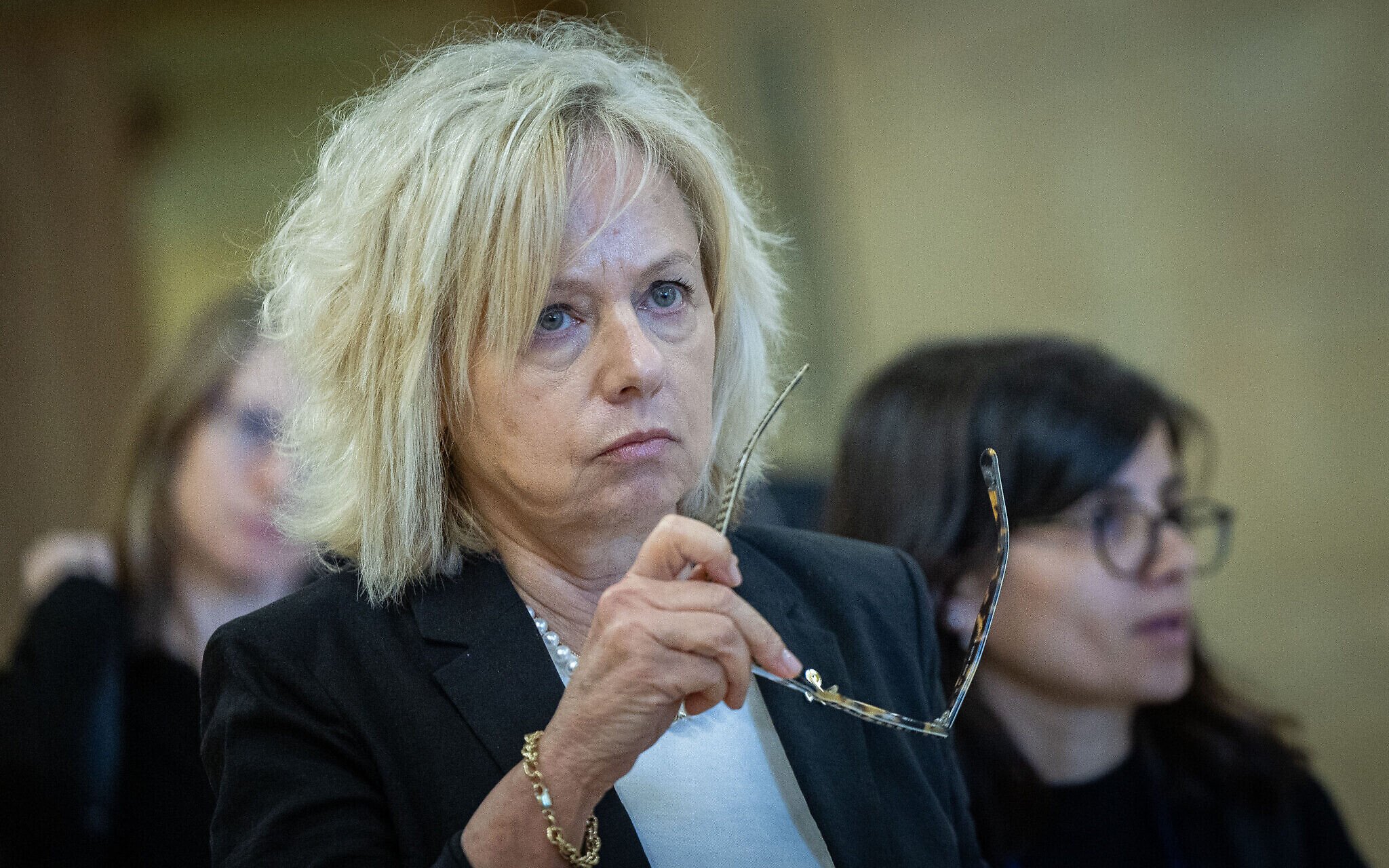
A recently set up five-member ministerial committee voted unanimously on Sunday morning to recommend that the government to dismiss Attorney General Gali Baharav-Miara from office.
The decision, which the same committee had approved in principle on Thursday, now passes to the cabinet, which can schedule a vote on the matter at its next meeting on Sunday, July 27.
Army Radio reported that the issue will be on the cabinet’s agenda next week, although Cabinet Secretary Yossi Fuchs did not immediately respond to a request for comment.
Earlier on Sunday, Baharav-Miara asked the High Court of Justice to freeze the dismissal process. She argued that even though the court ruled on Friday that any decision to fire the attorney general would not be implemeted until the court can rule on the issue, the government’s advancement of what she said was an “unlawful” process was itself causing real harm to the rule of law in Israel.
Firing the attorney general is highly controversial, since the role is considered to be one of the key guardians of the rule of law in Israel, owing to the attorney general’s authority to determine whether the government’s actions comply with the law, and their position as head of the prosecution.
The government’s current effort to fire Baharav-Miara is especially contentious since it changed the process of firing her after having already tried and failed to dismiss her using the original process set out in a cabinet resolution from 2000.
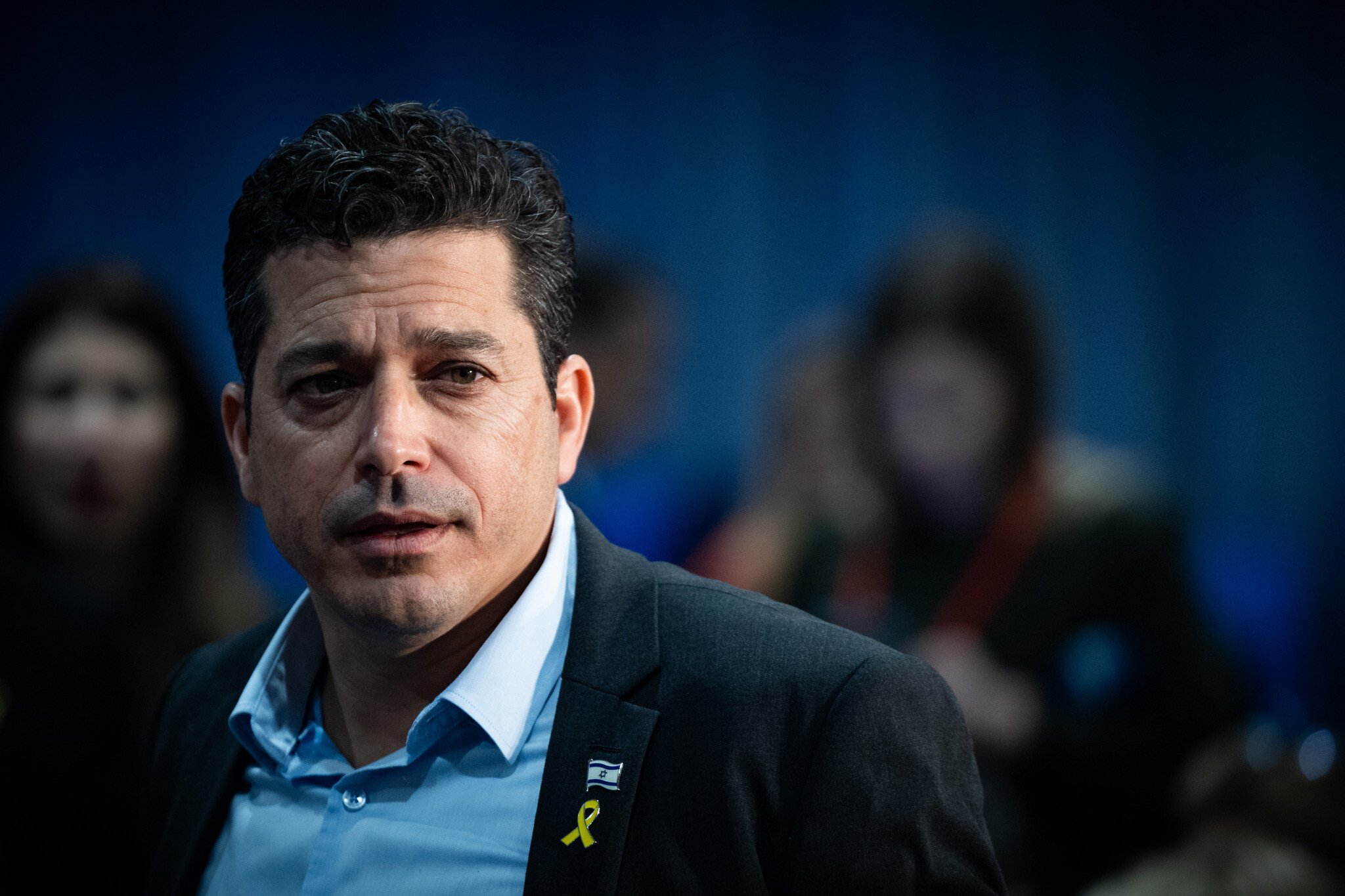
In March, the government set in motion the process of firing the attorney general through the recommendation of the professional committee used to appoint her in 2022, under the terms of the 2000 cabinet resolution.
But in June, after failing to staff that committee, the cabinet passed a resolution establishing a new five-member ministerial committee that could make the recommendation instead.
The five-member ministerial committee was chaired by Diaspora Affairs Minister Amichai Chikli, and also included Finance Minister Bezalel Smotrich, National Security Minister Itamar Ben Gvir, Science and Technology Minister Gila Gamliel, and Religious Services Minister Michael Malkieli.
They had requested that Baharav-Miara attend two hearings last week to argue against her dismissal, but she refused to do so, saying the process was unlawful.
The committee detailed a series of complaints the government has against the attorney general, including claims she has serially blocked its policies and appointments; selectively enforced the law in criminal proceedings; refused to represent the government in legal proceedings on numerous occasions; repeatedly blocked government legislation on the grounds that it is unconstitutional; and refused to allow the government independent legal representation on some occasions when she sided against it.
Baharv-Miara argued in response that in the large majority of the claims against her, she had simply told the government that its actions would violate the law.
She also pointed out that in the “overwhelming majority” of the cases in which she and the government were at odds that reached the High Court, the court had ruled in her favor, demonstrating that her assertion that the government was acting illegally was justified.
This, she argued, showed that there was no legal justification for firing her, since the government’s wish to act unlawfully is not a reasonable or lawful basis to fire the attorney general.
After the ministerial committee on Thursday approved the text of its resolution to recommend Baharav-Miara be fired, several petitions were filed with the High Court asking that it freeze the process until it rules on the legality of the new dismissal process itself.
But in a ruling on Friday, Judge Noam Sohlberg declined to freeze the dismissal procedure, adding, though, that if the government did end up voting to fire the attorney general, the decision would not come into immediate effect in order to allow the court time to rule on the matter.
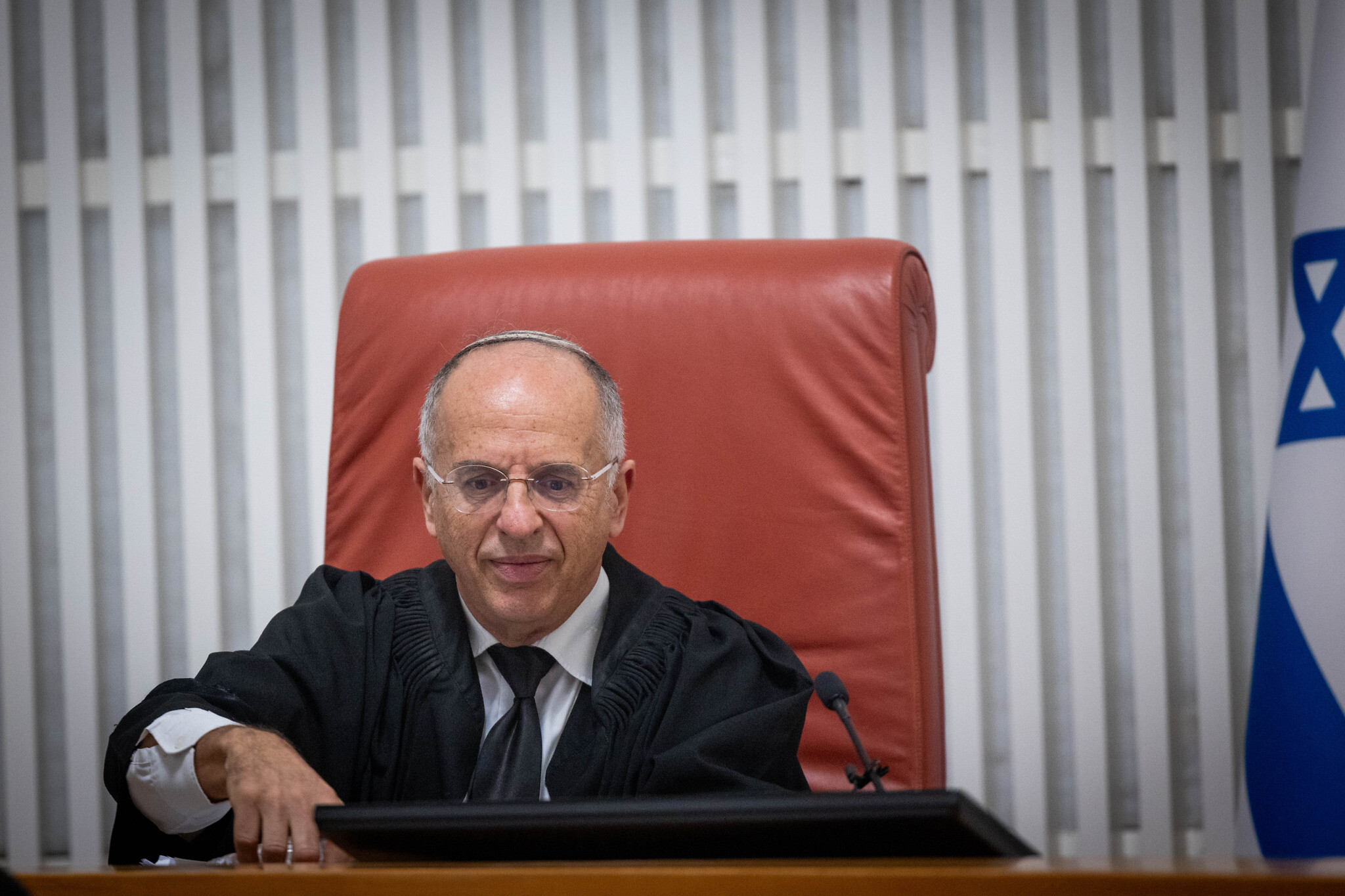
Sohlberg allowed all parties to the petitions the right to respond to his decision.
Baharav-Miara on Sunday morning requested that the High Court block the further advancement of the dismissal process.
“The situation in which, for five weeks, the government has been advancing, step by step, a manifestly unlawful process for firing the attorney general is leading to ever-growing institutional damage to the Attorney General’s Office and the entire civil service,” argued the attorney general.
“Even if at the end the process and its results will be invalidated, the very fact of the advancement of an unlawful process — going as far as a debate in cabinet on the basis of a tainted decision — gives weight to arguments for the legitimacy of the process,” she contended.
Baharav-Miara requested that the case be reviewed by the court as soon as possible, “and in parallel not to allow the government to continue to advance an unlawful process to a debate in cabinet, before the court has issued a ruling on the fundamental question of the legality of changing the principles for firing the attorney general.”
It seems unlikely, however, that Sohlberg will agree to the request, having also ruled last week that the court can only intervene after the government has taken action, not before.







The Times of Israel Community.