

High Court: If government fires AG, decision will be frozen pending judicial review
Communications Minister Karhi insists government won’t abide by ruling from conservative justice; petitioning NGOs applaud decision, arguing effort to oust Baharav-Miara is illegal
 Add ToI as a Preferred Source on Google
Jeremy Sharon is The Times of Israel’s legal affairs and settlements reporter
In a highly consequential ruling, the High Court of Justice ruled on Friday that if the government decides to fire Attorney General Gali Baharav-Miara, the decision will not take effect immediately in order to allow the court to hear legal challenges to her ouster.
The decision came following petitions filed by several government watchdog groups asking the court to freeze the dismissal process before the government fires Baharav-Miara and to rule on petitions against the government’s new process for firing the attorney general.
The petitions were filed early Friday morning after a ministerial committee recommended to the government on Thursday night that it fire Baharav-Miara due to “substantive and ongoing differences of opinion between the government and the attorney general that prevent effective cooperation.” The ruling paved the way for the government to fire Baharav-Miara as soon as Sunday, at the next cabinet meeting.
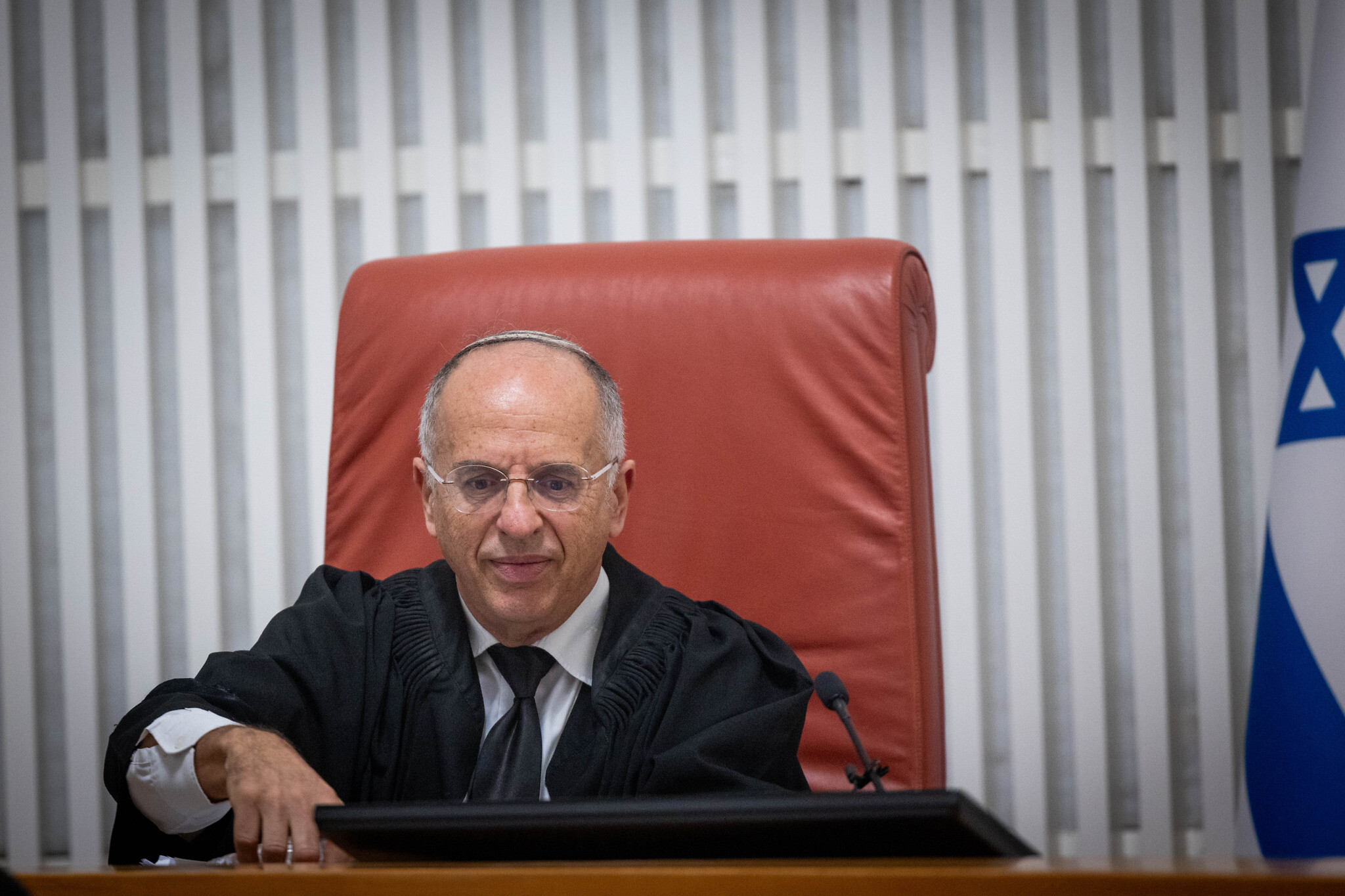
Justice Noam Sohlberg, who is considered to be one of the most conservative judges on the bench, declined to issue an interim order against the dismissal process itself, saying that judicial review can only be conducted after a decision is made to fire the attorney general.
However, he argued that in the event that the government decides to fire Baharav-Miarav, the decision will not take effect immediately in order to allow sufficient time for judicial review.
The cabinet agenda published on Thursday for Sunday’s meeting does not include an item for firing the attorney general, although such an agenda item could be added before the cabinet convenes.
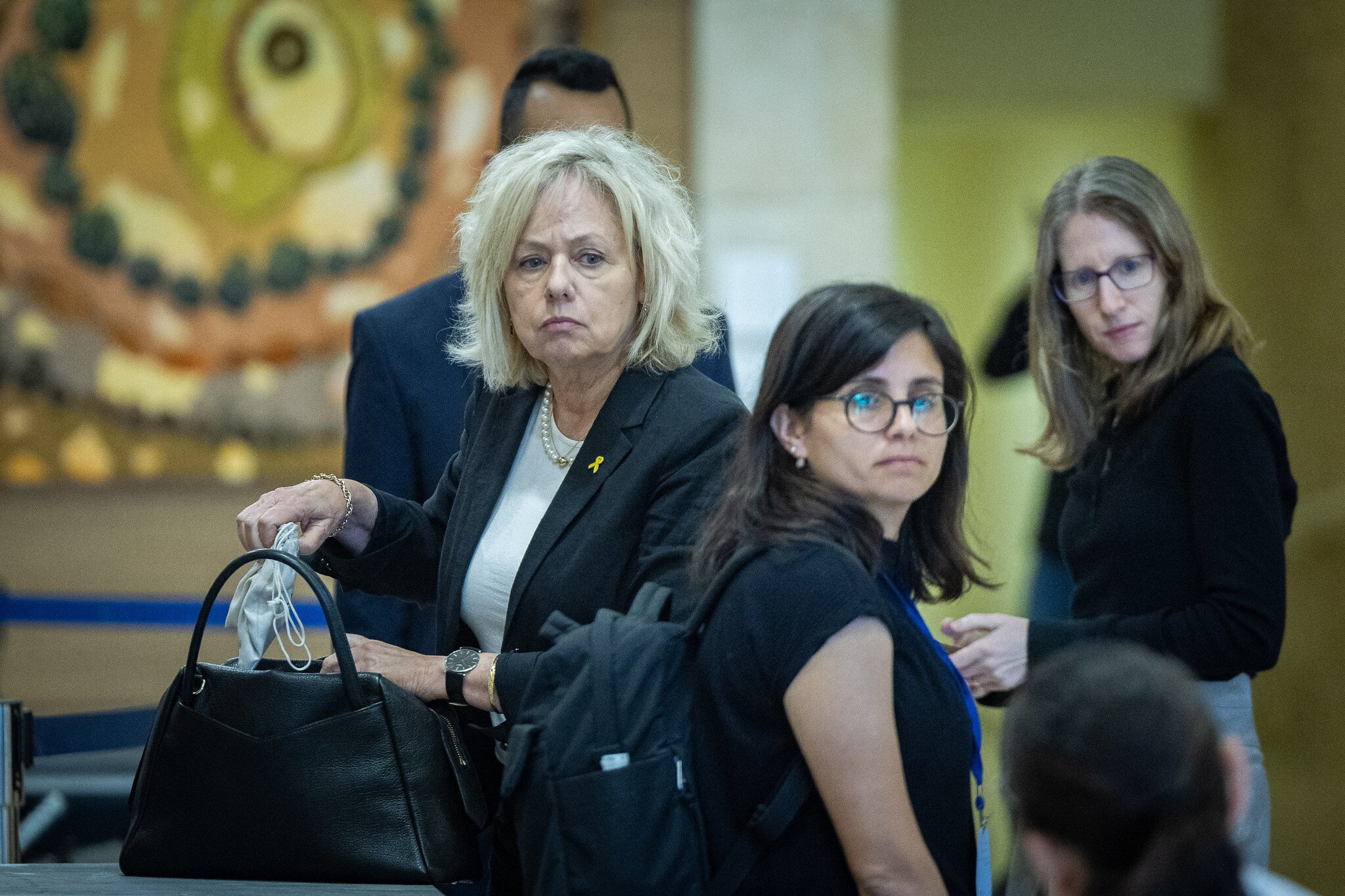
Communications Minister Shlomo Karhi, a far-right member of the Likud party, immediately threatened in response that the government will not abide by the court decision.
“Any decision of the High Court of Justice without explicit authority in law will not enter into force before the authority is anchored in legislation in the Knesset,” said Karhi, implying that the court does not have the power of judicial review over government decisions.
Referring to the attorney general as a “political tyrant to the government,” he called on Justice Minister Yariv Levin to put a vote on Baharav-Miara’s dismissal on the cabinet’s agenda for this Sunday and to appoint a new attorney general at the same time.
The Israel Democracy Guard, one of the organizations that petitioned the court against the government’s dismissal process for the attorney general, welcomed the court’s decision, stating that it will ensure that the government won’t be able to oust Baharav-Miara on a whim.
“The decision shows that even in the court’s opinion, the move to dismiss the attorney general is an illegal move, based on an illegal change in the rules for ending the attorney general’s term,” the organization said.

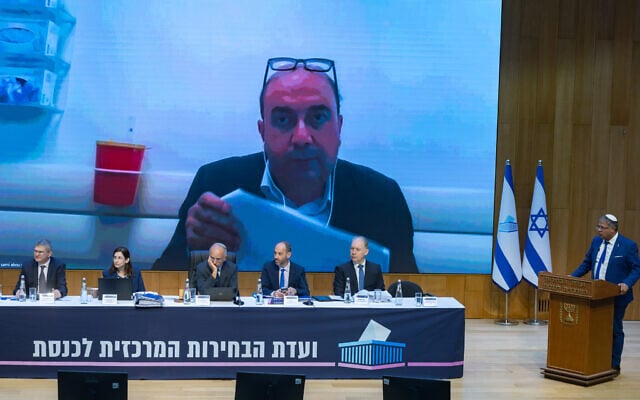
In its recommendation Thursday to fire Baharav-Miara, the five-minister committee listed a series of complaints that the government has against the attorney general — who boycotted the two ministerial meetings on her dismissal — including claims that she has serially blocked its policies; selectively enforced the law in criminal proceedings; refused to represent the government in legal proceedings on numerous occasions; repeatedly blocked government legislation she ruled unconstitutional; and refused to allow the government to obtain independent legal representation on some occasions when she sided against it.
The committee stated that as a result of these issues with Baharav-Miara, the conditions allowing the government to fire the attorney general listed in a cabinet resolution from 2000 — that there be a “substantive and ongoing difference of opinion between the government and the attorney general, preventing effective cooperation” — have been fulfilled.
Baharav-Miara, for her part, has argued that she has simply restrained the government from acting unlawfully and from advancing unconstitutional legislation.
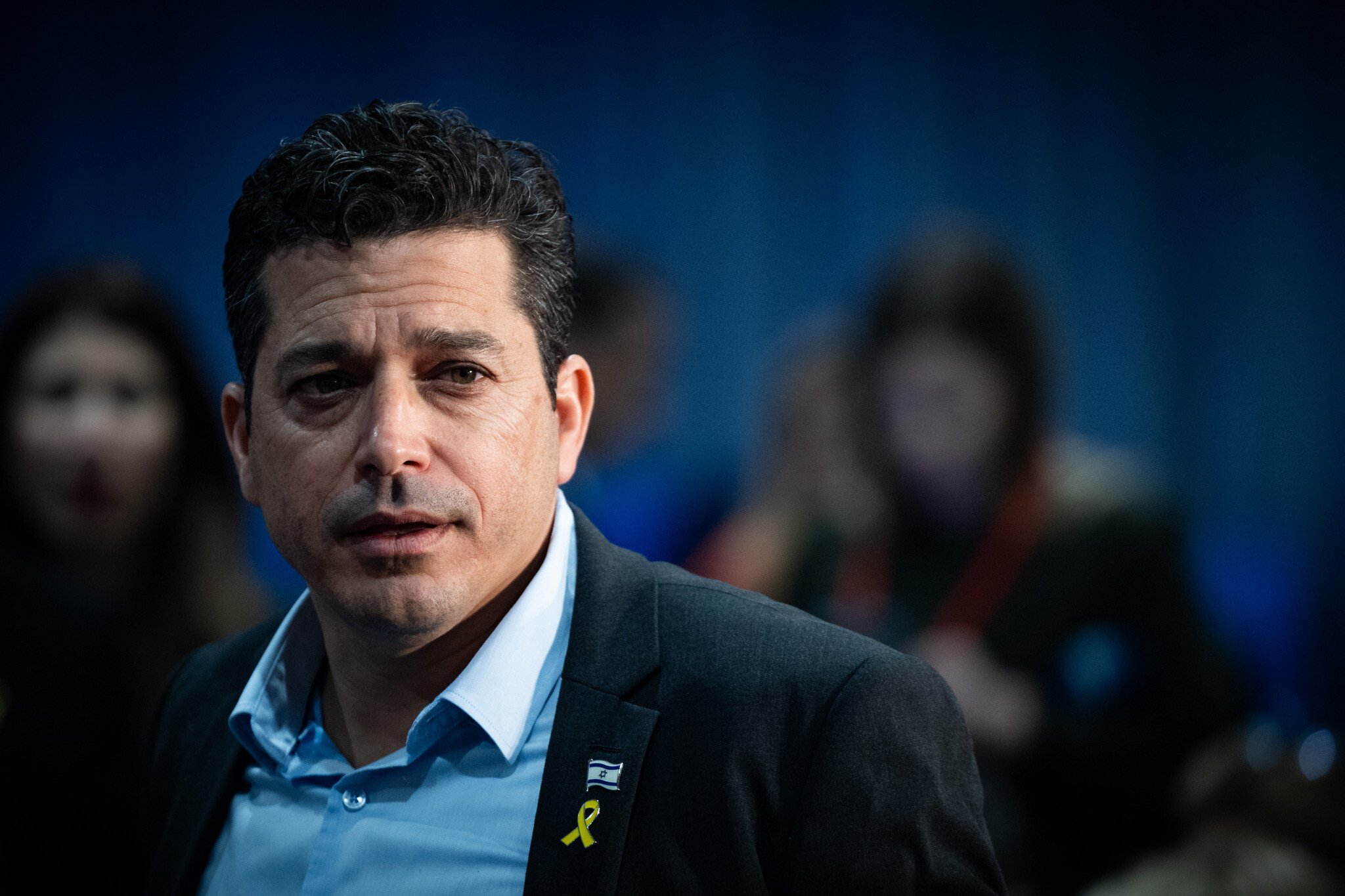
The committee was chaired by Diaspora Affairs Minister Amihai Chikli, and also included Finance Minister Bezalel Smotrich, National Security Minister Itamar Ben Gvir, Science and Technology Minister Gila Gamliel, and Religious Services Minister Michael Malkieli, who has since resigned as part of his Shas party’s withdrawal from the government.
The government and the attorney general have been at odds since the government was sworn in at the end of 2022.
In March, the government set in motion the process of firing Baharav-Miara by securing the recommendation of the public, professional committee that appointed her in 2022, under the terms of a cabinet resolution from 2000.
But in June, after failing to staff the committee, the cabinet passed a resolution establishing the new five-member ministerial committee that could make the recommendation instead.
The position of attorney general is considered one of the key guardians of the rule of law in Israel, owing to the official’s authority to determine whether the government’s actions comply with the law.
The role of the attorney general was therefore established as a position independent from the government. The attorney general is appointed upon the recommendation of the professional committee to serve a six-year term and can only be fired upon the recommendation of the same committee.
The government has argued that Baharav-Miara’s frequent opposition to its actions and decisions has made some government work impossible, and devised a new process of firing her that bypassed the public committee and put the power of recommendation in the hands of the ministerial committee.
Legal experts have argued that the new procedure used by the government to remove the attorney general will not stand up before the High Court, which is likely to overrule Baharav-Miara’s ouster.
Critics, including former attorney general Avichai Mandelblit, have condemned the government’s effort to fire Baharav-Miara, saying it will lead to the politicization of the role and thereby enable the government to act unlawfully.







The Times of Israel Community.