

Ministers okay elections but PM loyalist signals he may delay Knesset vote
Throwing Wednesday’s expected dissolution of parliament into question, Miki Zohar says lawmakers should keep passing laws, including his anti-porn bill, until final possible date
 Add ToI as a Preferred Source on Google
Raoul Wootliff is a former Times of Israel political correspondent and Daily Briefing podcast producer.
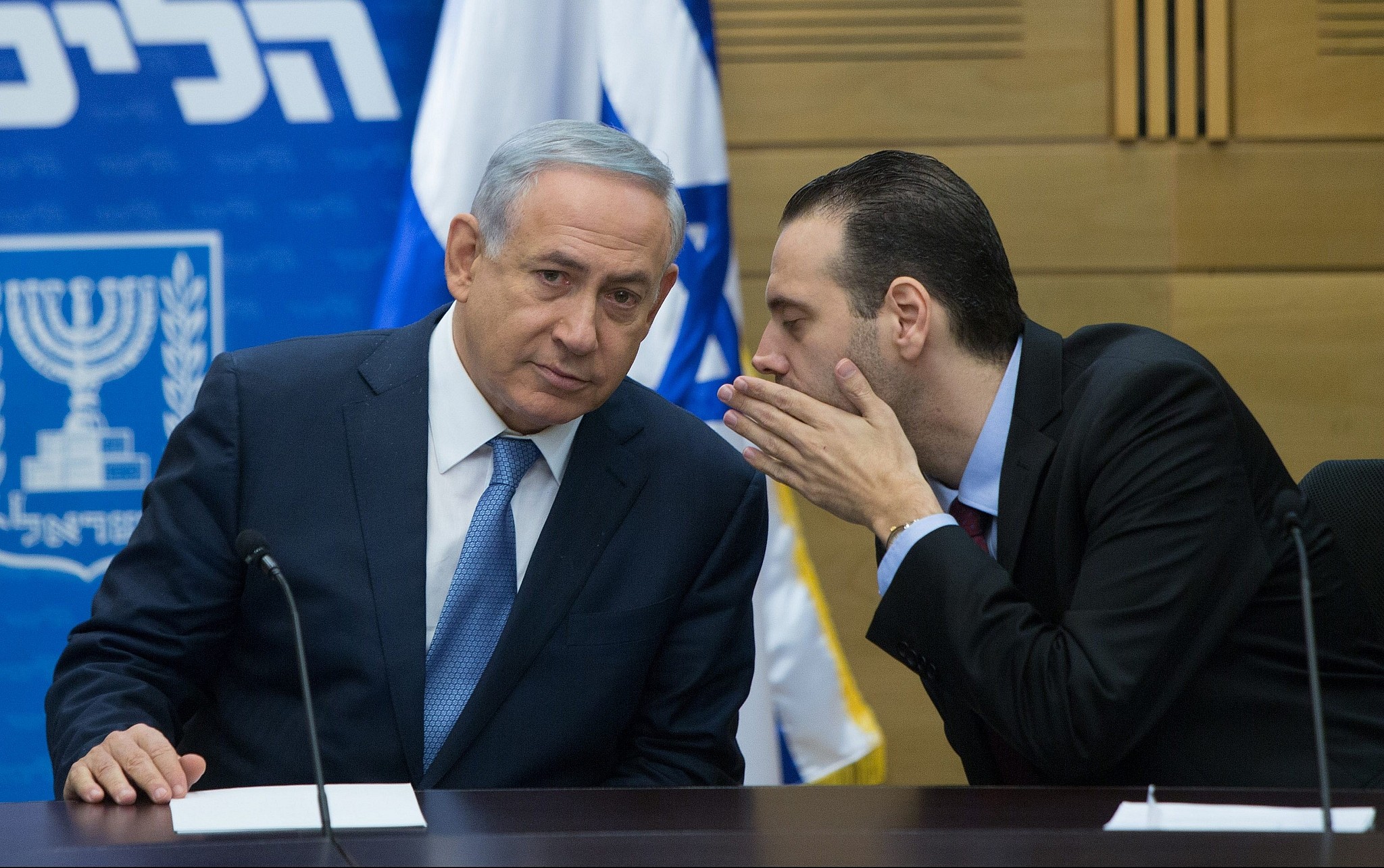
Government ministers gave their approval Tuesday to a parliamentary vote on dissolving the Knesset and holding early elections on April 9, but a key Likud lawmaker and close ally of the prime minister suggested he may prevent a vote by MKs on the dissolution bill scheduled to take place on Wednesday.
A day after coalition leaders announced that Israel would be heading to elections within four months, members of the Ministerial Committee for Legislation voted in a telephone ballot in favor of the bill to immediately dissolve the Knesset and set the agreed-upon date for a national poll.
According to the decision of the key committee, the bill to dissolve the Knesset — which is expected to pass by a large margin — will face all three plenary readings on Wednesday in an accelerated legislative move reserved for emergency measures.
But speaking after the ministerial vote at a meeting of the Knesset House Committee which he chairs, Likud MK Miki Zohar called for delaying the dissolution of the Knesset, arguing that lawmakers need more time to pass essential legislation before the elections and suggesting that he will use his position to block the bill.
Zohar cited two laws he said needed to be passed before the Knesset dissolves, his own bill to limit access to pornography online and a proposal by Likud MK Amir Ohana to ease access to the Israeli bar exam.
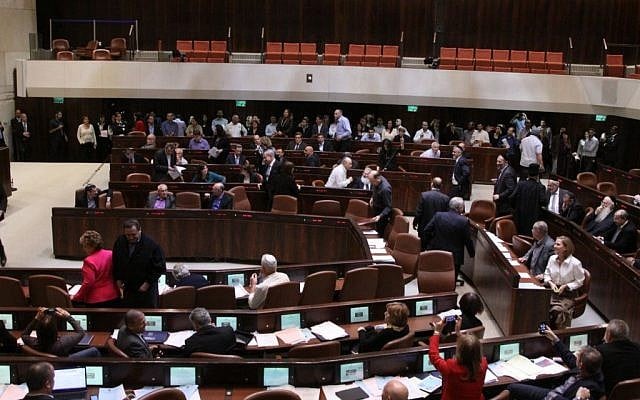
Knesset Speaker Yuli Edelstein said Monday that elections would be held April 9. The decision to dissolve the Knesset moves elections up from November, when they had been scheduled by law.
While elections have traditionally been held at least 90 days after the dissolution of the Knesset, By law, there is no minimum waiting period. If the Knesset votes to dissolve Wednesday, it will leave 105 days until elections, while immediately freezing any bills working their way through the Knesset.
Given the 15-day cushion, Zohar said there was no need to rush the bill to dissolve parliament and prevent legislative work from continuing.
“The Knesset must serve the State of Israel and not the politicians,” he said, telling his colleagues to “open up your calendars and set the date accordingly.”
Zohar, a Netanyahu acolyte who has proposed and overseen a number of controversial pieces of legislation. said that the parliament should remain in full swing until the last possible opportunity, which falls on January 9.

Responding to Zohar’s comments, Zionist Union Knesset faction chair, MK Yoel Hasson, said the Likud lawmaker was trying “to waste precious time at the expense of Israeli citizens in order to promote laws that are contrary to the public interest.”
Hasson added that the opposition “will not allow Netanyahu’s emissaries to try to stop the train that has already left the station by stalling with excuses and bureaucracy.”
According to Knesset bylaws, as chairman of the committee which would oversee the preparation of the bill, Zohar could in theory hold up the proposal indefinitely with no obligation to hold a vote within any specified time frame.
Last month, as coalition leaders threatened to call new elections after Yisrael Beytenu chair Avigdor Liberman resigned as defense minister and pulled his party from the government, Zohar said he would use his position to head off such an attempt at pushing a law to dissolve parliament and call early elections.
Zohar, who has previously pushed legislation to save the prime minister from indictment in three criminal cases he in implicated in, said in a statement at the time that “the good of the country comes above all else,” and that he would “not work according to the whims of politicians.”
A private members bill, such as the proposal to dissolve the Knesset, is first introduced to parliament at a preliminary vote in the plenary. If it passes, it is designated for a debate in the Knesset House Committee, which, if so requested by the MK proposing the bill, must hold deliberations on it within two committee meetings.
The chairman of the committee, however, is under no obligation to hold a vote on the bill and could effectively bury it immediately after the first debate.

If the committee has not completed work on the bill within six months, either by authorizing it for final plenary votes or rejecting it in a committee vote, the proposing MK may demand that the committee set a timetable for future debates. But once again, it is up to the discretion of the committee chair to decide on such meetings, and again, they are under no obligation to hold a vote.
MKs could still topple the government, however, by means of a no-confidence vote in the plenum, which does not require a committee vote.
A bill to dissolve the Knesset passing a preliminary reading, pointed out Knesset committee spokesperson Shimon Malka, means that the coalition has already lost the support of at least half of the 120 MKs. In that case, those same lawmakers could vote against the government in a vote of no confidence, toppling the government but not triggering parliamentary elections.
In such a scenario, the move would hand the decision on the formation of a new government to the president, who could choose a member of the opposition as the new prime minister and give him or her an opportunity to form a new government.










The Times of Israel Community.