

Netanyahu allies deny PM approved German submarine sale to Egypt
Likud lawmakers hit back at corruption insinuations against premier, calling them ‘lies and incitement’
 Add ToI as a Preferred Source on Google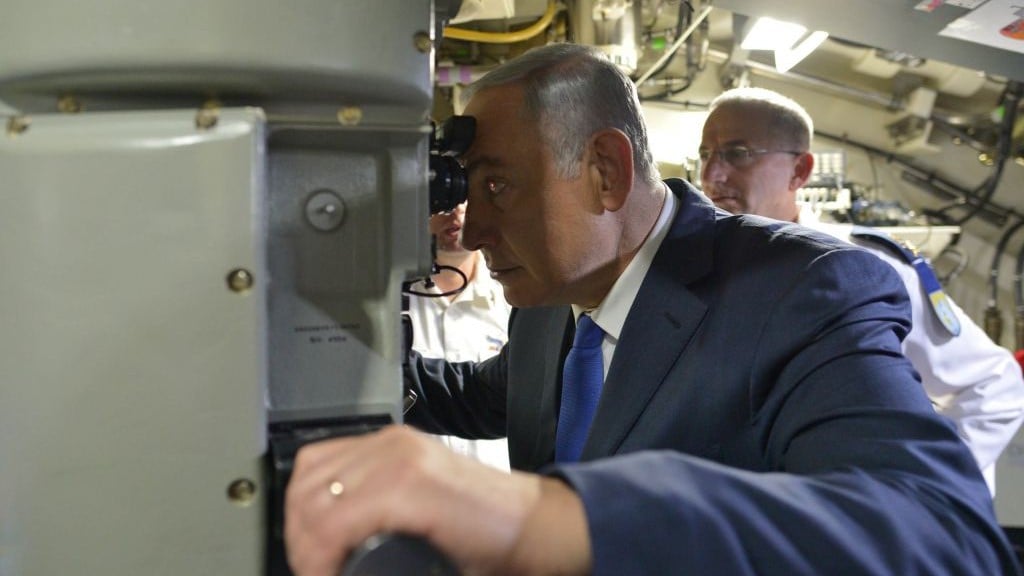
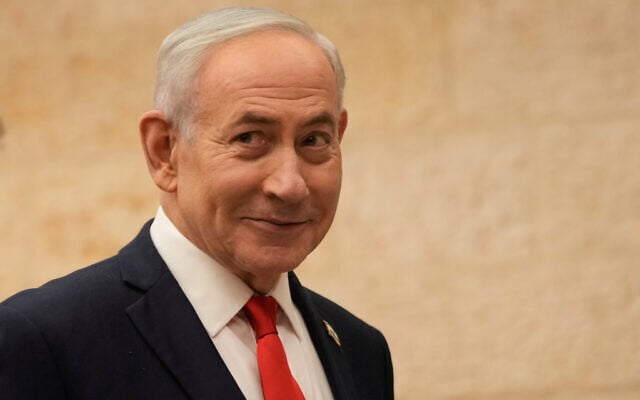
Allies of Prime Minister Benjamin Netanyahu on Thursday denied the premier had ever given Germany his approval to sell neighboring Egypt submarines.
The allegations over the submarines for Egypt resurfaced as the PM’s supporters launched a media blitz to try and distance Netanyahu from a deepening corruption scandal over a series of multi-billion shekel naval deals with the German firm ThyssenKrupp.
On Thursday’s the prime minister’s cousin and lawyer David Shimron was questioned for a fourth time in connection with the scandal.
According to an April report from Channel 10, Netanyahu green lighted the sale of ThyssenKrupp submarines to Egypt, despite the objections of top security officials who voiced concerns over supplying sophisticated submarines to Egypt, particularly following the rise to power of Muslim Brotherhood president Mohammed Morsi.
On Wednesday, Yesh Atid party head Yair Lapid said that if any Israelis earned money from the sale of submarines to Egypt, this would constitute treason. He stressed that he was not referring to Netanyahu in this context.
However, on Thursday Hebrew media quoted sources close to the prime minister as saying that “Netanyahu worked against the sale of submarines to Egypt.”
Israel routinely presses its allies to limit arms sales to its Arab neighbors — even ones it has peace treaties with — in order that Israel can maintain its qualitative military edge.
The attempt by lawmakers from Netanyahu’s Likud party to push back against the growing controversy hovering over the prime minister came after he told a gathering of his political allies that the corruption insinuations against him were “a coordinated campaign of leftists who want to undermine my government.”
Following the meeting, Likud MK Miki Zohar said “we are going on the attack” and later appeared on a number of media outlets to hit back against the “lies and incitement” against the prime minister, as did Likud MK Amir Ohana and Culture Minister Miri Regev, both of whom were also in attendance at the sit down with Netanyahu.
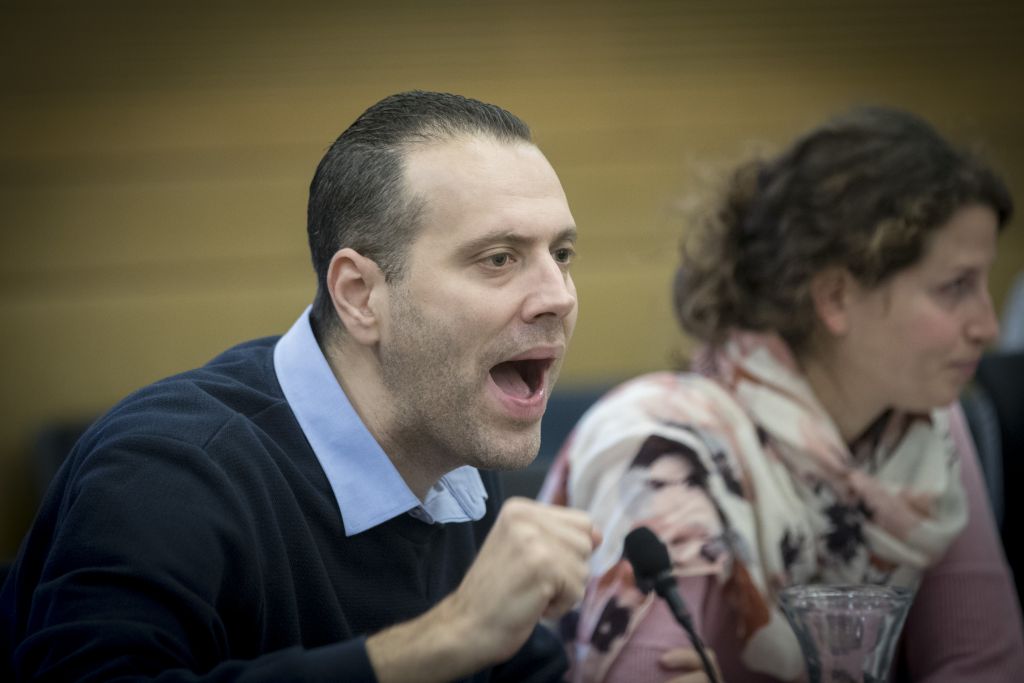
In addition to denying Netanyahu’s connection to the “Case 3000” investigation into alleged corruption in the purchase of German-made naval boats and submarines for the IDF, the Likud lawmakers also denied any wrongdoing by Netanyahu following a new state comptroller report that alleges violations of transparency rules related to regulating the Bezeq telecom giant, namely that Netanyahu did not disclose his friendship with the company’s owner Shaul Elovitz.
Also on Thursday, the Communications Ministry Director-General Shlomo Filber — who previously served as Netanyahu’s chief of staff and ran the Likud’s 2015 election campaign — was placed under house arrest over suspicions he worked illicitly to advance the interests of Bezeq, Israel’s largest telecommunications firm.
Like Netanyahu, Filber was also taken to task in the State Comptroller report, with the watchdog asserting that Filber may have acted in ways that benefited Bezeq, citing several cases.
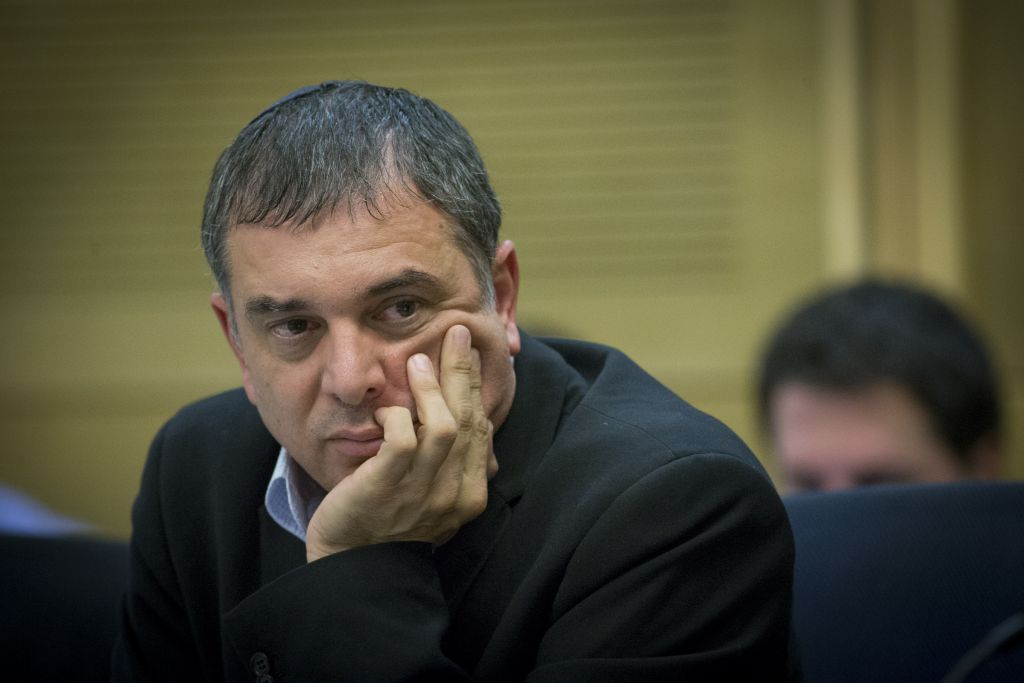
The ombudsman also questioned whether it was possible for Filber to make unbiased decisions against Elovitz in light of the prime minister’s close connection with the Bezeq head.
Although Netanyahu is not a suspect in either the submarine or Bezeq affairs, he is being investigated in two other corruption cases.
Case 1000 revolves around alleged illicit gifts given to Netanyahu and his family from billionaire benefactors, most notably hundreds of thousands of shekels’ worth of cigars and champagne said to have been given to the prime minister and his wife Sara by Israeli-born Hollywood producer Arnon Milchan.
Case 2000 is focused on an alleged quid pro quo deal made between Netanyahu and Mozes, in which the prime minister is said to have promised Yedioth Ahronoth publisher Arnon “Noni” Mozes — long considered one of the prime minister’s fiercest media critics — that he would advance legislation to reduce the circulation of Yedioth’s main commercial rival, the freebie Israel Hayom, in exchange for friendlier coverage from Yedioth.





The Times of Israel Community.