

Northern officials, residents denounce Lebanon truce: ‘Stop using our kids as sitting ducks’
Council head says decision-makers should move north with their families to see the reality; security cabinet member Regev concedes situation is more of a ‘porous ceasefire’
 Add ToI as a Preferred Source on Google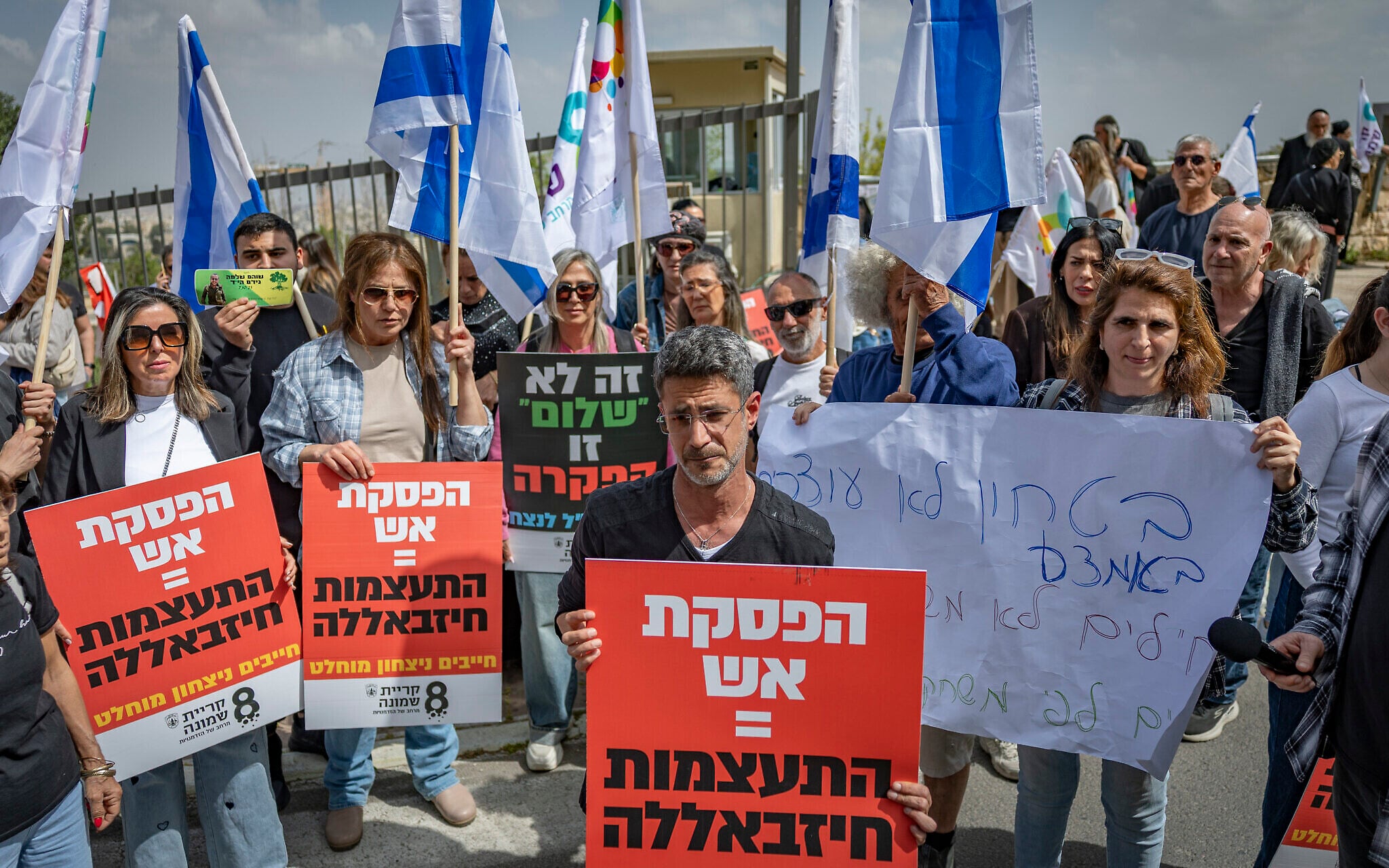
Kiryat Shmona Mayor Avichai Stern on Tuesday accused the government of selling out the north’s security after he and heads of neighboring towns announced protested moves against the US-brokered ceasefire in Lebanon.
“What’s determining our security at the moment is an agreement between the US, Lebanon and Iran,” Stern told the Kan public broadcaster, as Iran’s Lebanese terror proxy Hezbollah kept up attacks on Israel’s north and on the IDF in southern Lebanon, despite the truce that was declared on April 16.
Likud member Stern said the government had failed to live up to its word to northerners who were evacuated en masse in the previous war with Hezbollah and told it was safe to return to following a November 2024 ceasefire deal.
“We elected our government… full-on right wing for full-on security,” Stern said. “In practice, we see that our security is up for a negotiation that isn’t even ours.”
“Our security is nonnegotiable. We’ve had this threat [from Hezbollah in Lebanon] over our heads for decades,” said Stern.
Northern municipality leaders had said in a press conference on Monday that they would independently impose security restrictions and suspend educational activities, despite an update in IDF Home Front Command orders that had reclassified the area as safe.
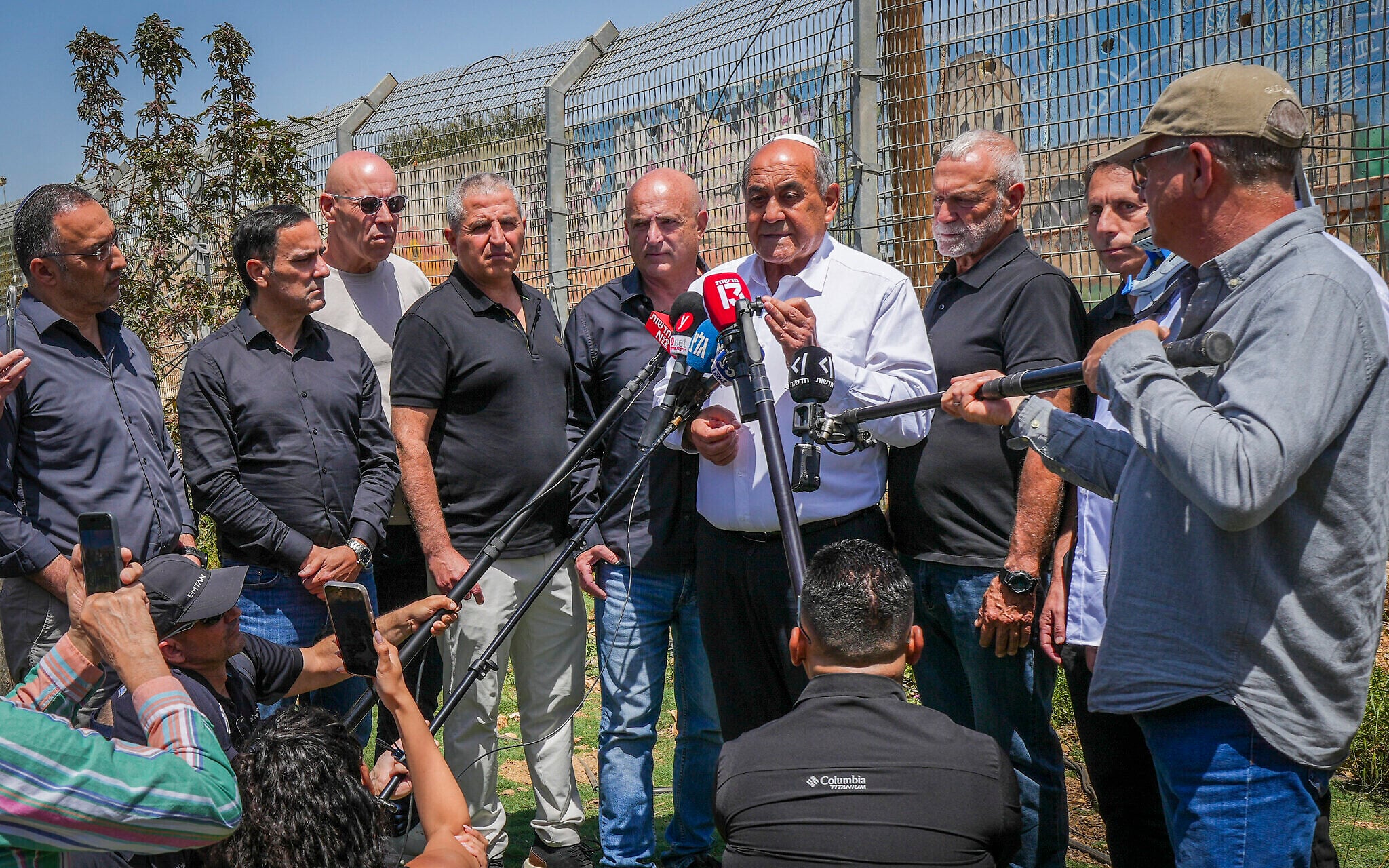
Beni Ben-Muvhar, head of the Mevo’ot HaHermon Regional Council, told Army Radio on Tuesday that the municipalities could not “send kids to schools in buses that we know to be a target for Hezbollah.”
Israel’s decision-makers should “to come and live here for a day or two or three” with their families to see what was life was liked under Hezbollah’s daily attacks, said Ben-Muvhar.
Danielle Eliyahu, a resident of the northern community of Ein Yaakov, also assailed the IDF instruction to reopen schools.
“There isn’t really a ceasefire,” she told Army Radio. “Stop using our kids as sitting ducks.”
דניאל אליהו, תושבת עין יעקב, על ההחלטה להחזיר את הלימודים בקו העימות: "אין באמת הפסקת אש, אנחנו לא באמת בשגרה – תפסיקו להשתמש בילדים שלנו כברווזים במטווח"#רינוצרור | @RinoZror pic.twitter.com/dCAWVTIsw8
— גלצ (@GLZRadio) April 28, 2026
Under the terms of the ceasefire, Israel is permitted to strike in Lebanon in self-defense. Prime Minister Benjamin Netanyahu told the cabinet on Sunday that Hezbollah was “dismantling” and Israel would “vigorously” target the terror group, despite reported pressure from US President Donald Trump to end the fighting in Lebanon so it doesn’t upend negotiations with Iran.
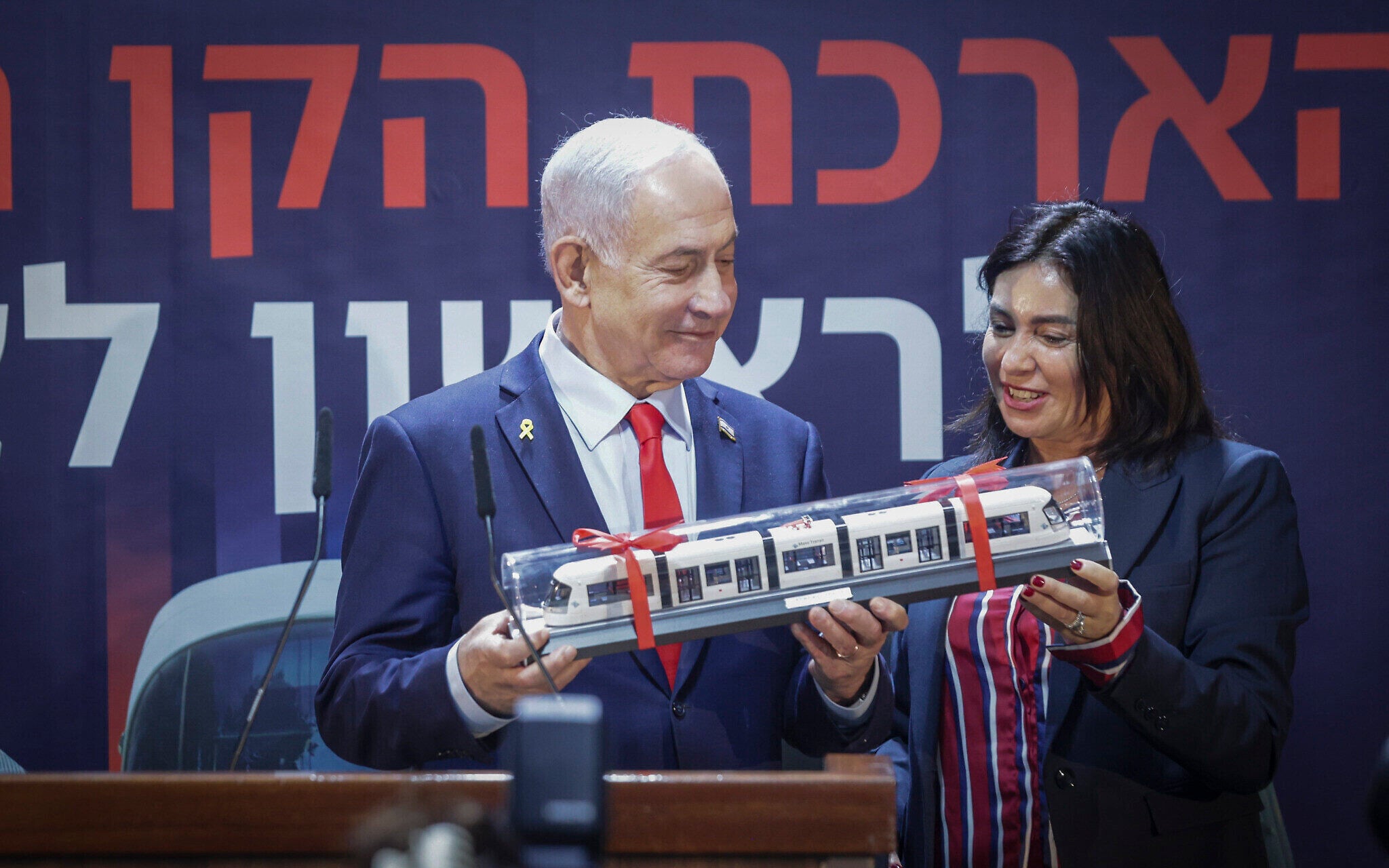
Amid northerners’ criticism of the Lebanon agreement, Transportation Minister Miri Regev claimed the ceasefire in Lebanon was not quite that.
“You can’t say it’s a ceasefire,” said Regev, who is a member of the security cabinet, in an interview with the 103FM radio station. “We’re calling it a porous ceasefire.”
The Lebanon ceasefire talks have seen Israel and its northern neighbor conduct their highest-level direct talks in decades even though they have technically been at war since Israel was established in 1948.
Israel carried out massive airstrikes and pushed its troops farther into Lebanon after Hezbollah, on March 2, launched its first rocket attack on Israel since the November 2024 ceasefire deal, under which the Lebanese state was required to disarm Hezbollah.
That agreement ended over a year of conflict initiated by Hezbollah, a day after fellow Iran-backed terror group Hamas invaded Israel on October 7, 2023, sparking the war in Gaza.
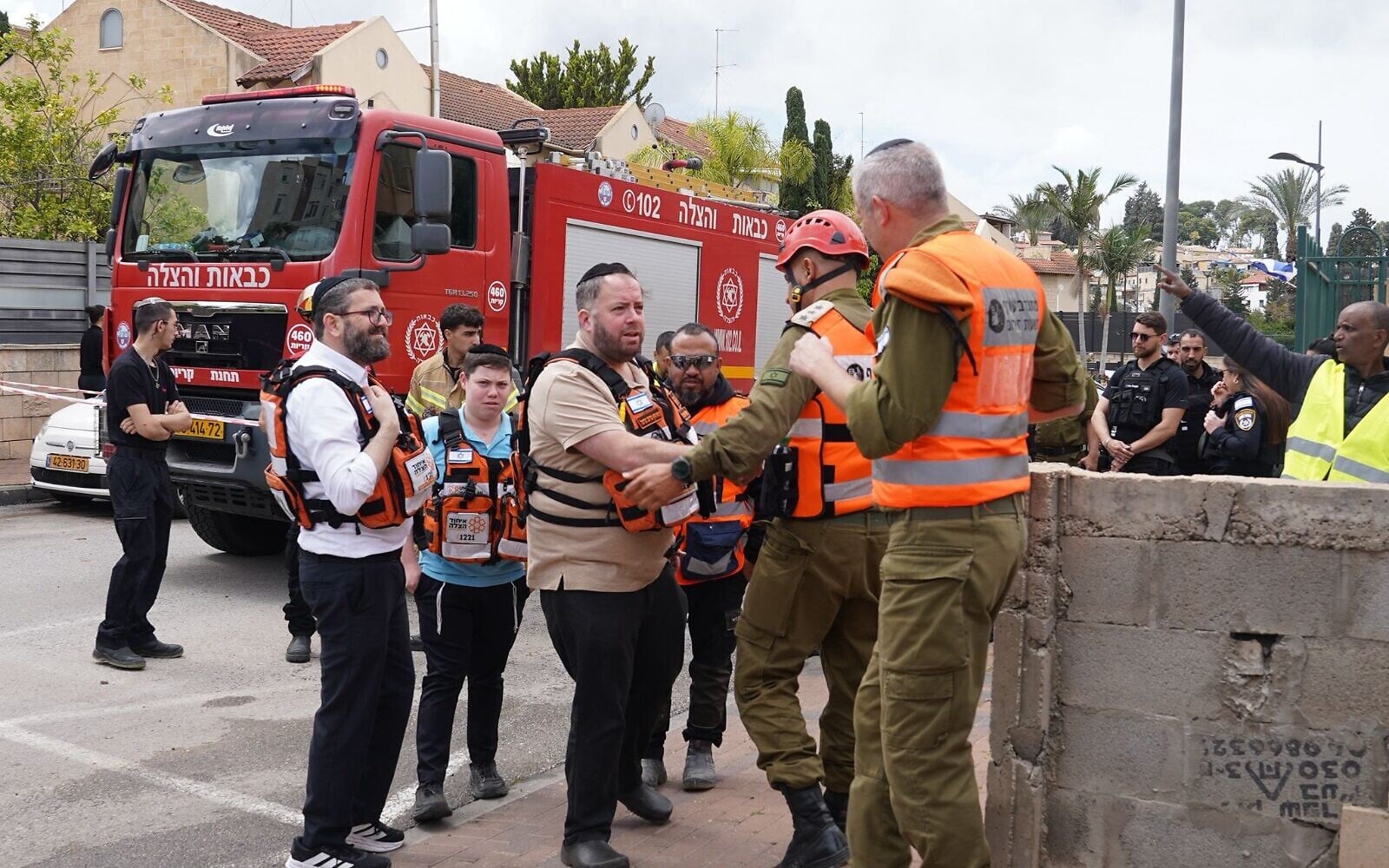
During the fighting in Lebanon, Hezbollah fired some 5,500 rockets at IDF troops operating in the south of the country, as well as around 2,500 at Israel, according to the military. There were at least 75 rocket impact sites in Israel.
In addition, Hezbollah launched around 300 drones, of which 25 struck Israel, according to the IDF.
Thirteen IDF soldiers have been killed in southern Lebanon amid fighting against Hezbollah, and three during a ceasefire with the terror group. Two civilians were also killed by Hezbollah rockets, and an Israeli civilian was mistakenly killed in the north by Israeli artillery shelling.
In Lebanon, authorities report over 2,000 people have been killed and a million displaced by Israel’s strikes. The IDF claims it killed over 1,900 Hezbollah operatives, including hundreds of members of the terror group’s elite Radwan Force, in the renewed fighting.


The Times of Israel Community.