

Russia tests new nuclear-capable ICBM, which Putin boasts as world’s ‘most powerful’
Sarmat, known by NATO as Satan II, is Russia’s first post-Soviet ‘super heavy’ missile; Putin says it carries warhead 4 times bigger than any US missile, will deploy this year
 Add ToI as a Preferred Source on Google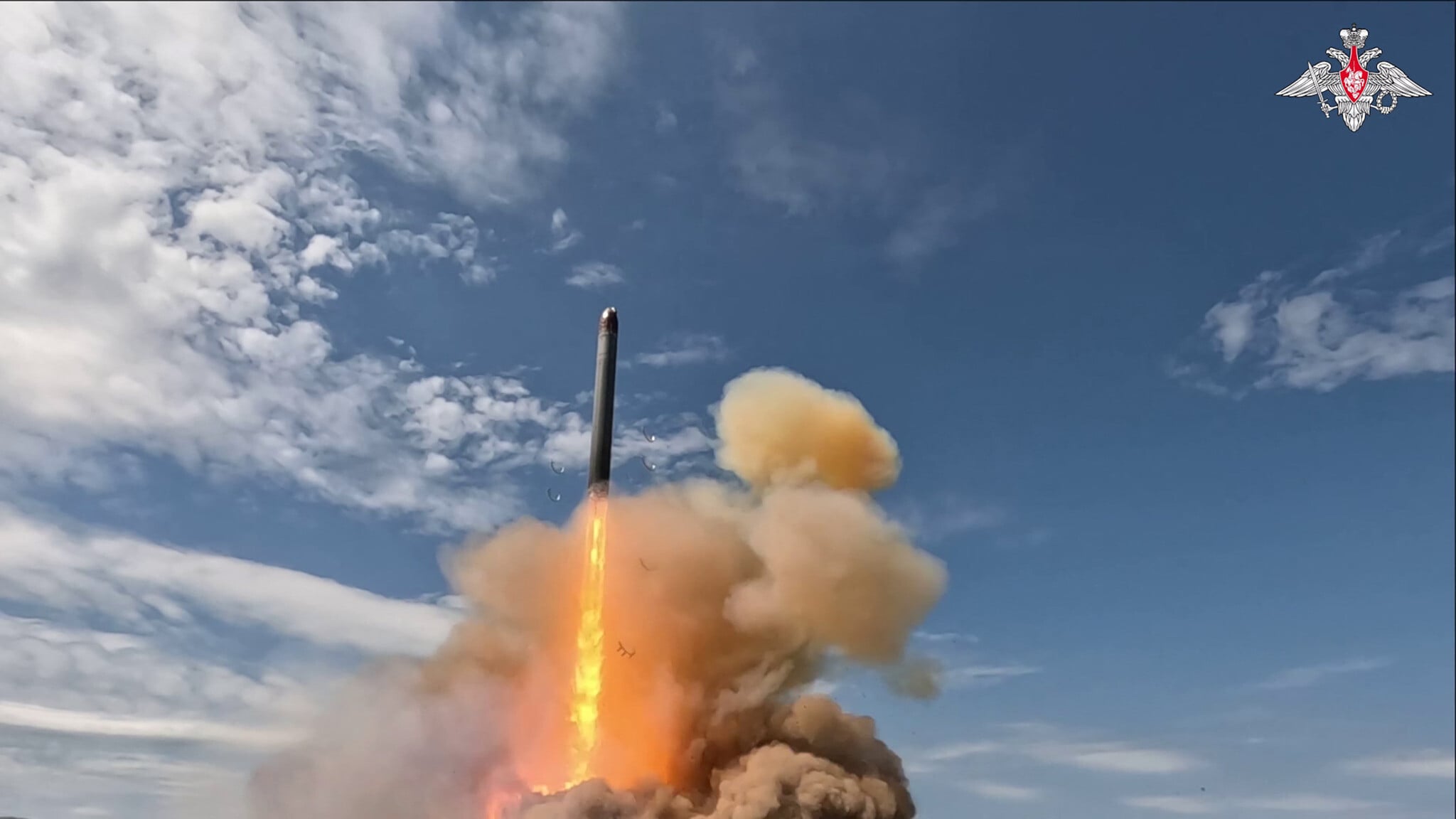
MOSCOW — Russia will deploy its new Sarmat strategic nuclear intercontinental ballistic missile at the end of this year, Russian President Vladimir Putin said after his forces tested it on Tuesday, describing the missile as “the most powerful in the world.”
The planned deployment of the missile — designed to deliver nuclear warheads to strike targets thousands of miles away in the United States or Europe — follows years of setbacks and delays.
Putin, in televised comments, said the yield of the warhead was more than four times greater than any Western equivalent and its range exceeded 35,000 km (21,750 miles).
Sarmat, referred to as “Satan II” in NATO designation, is the first ICBM produced in post-Soviet Russia to be classed as “super heavy.”
“It has the ability to penetrate all existing and future anti-missile defense systems,” Putin said Tuesday.
“This is the most powerful missile system in the world,” he boasted.
Western security analysts say Putin has made exaggerated claims for the capabilities of some of Russia’s new generation of nuclear weapons, part of a modernization program he first announced in 2018.
Sarmat has seen failures in the past — one test in September 2024 left a deep crater at the launch silo, according to Western experts.
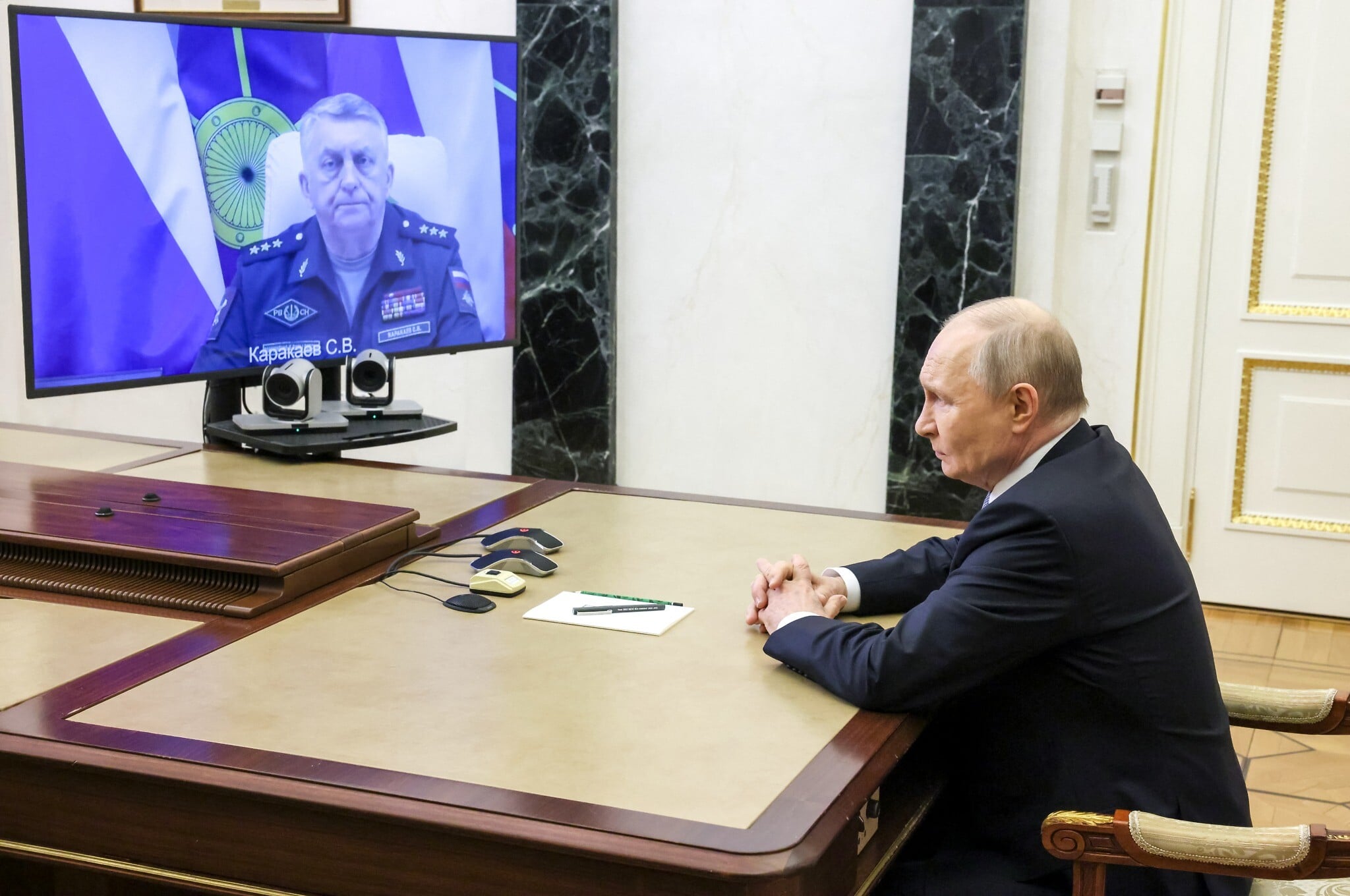
State TV showed Sergei Karakayev, commander of Russia’s strategic missile forces, reporting to Putin on what he said was a successful Sarmat test-launch on Tuesday.
“The deployment of launchers equipped with the Sarmat missile system will significantly enhance the combat capabilities of the ground-based strategic nuclear forces in terms of guaranteeing the destruction of targets and solving strategic deterrence problems,” Karakayev said.
Since the start of the Ukraine war in 2022, Putin has repeatedly reminded the world of the size and power of Russia’s nuclear arsenal in statements seen by the West as attempts to deter it from intervening too strongly on the side of Ukraine.
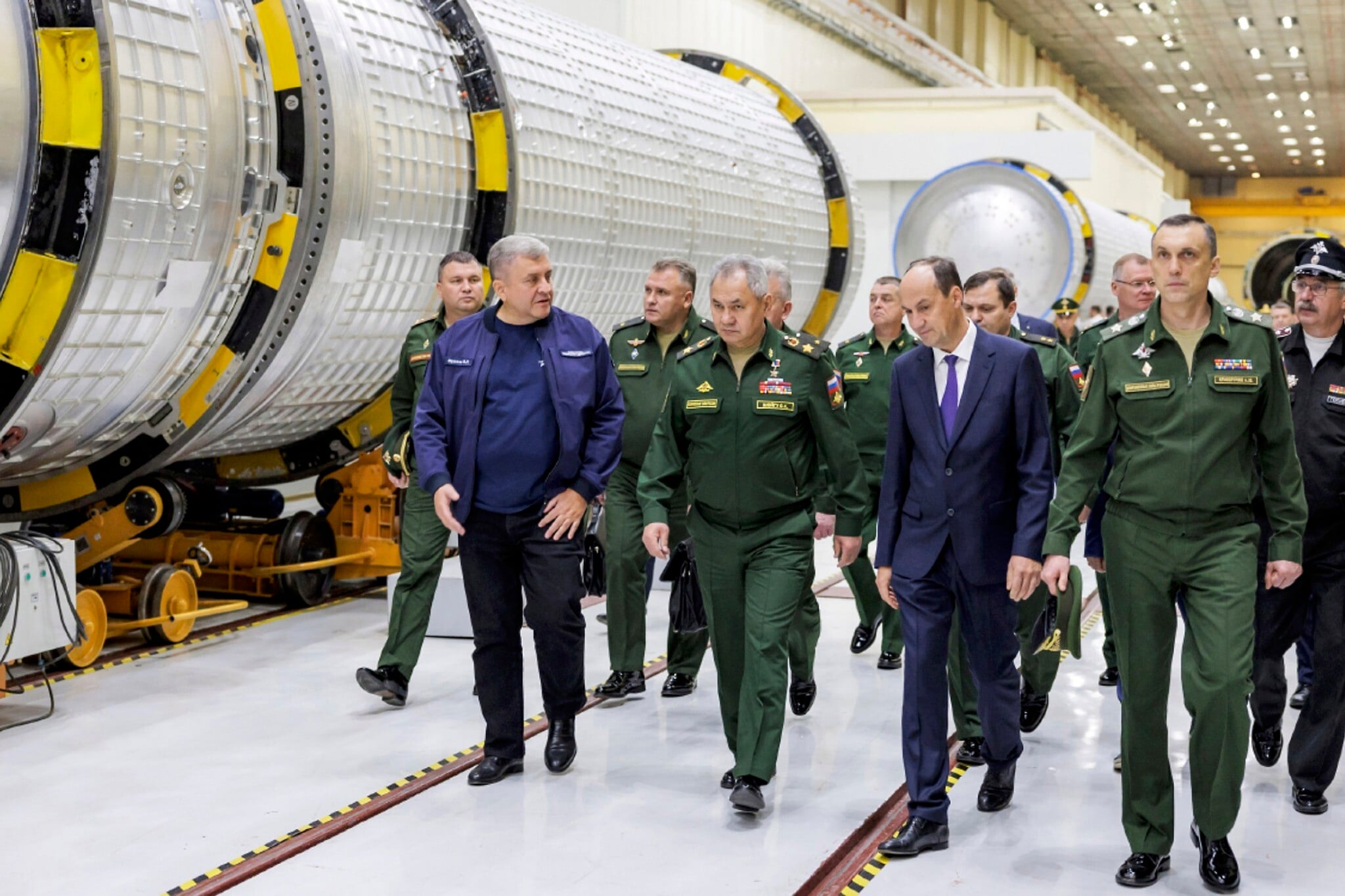
Pavel Podvig, a senior researcher at the UN Institute for Disarmament Research, said the deployment of Russia’s “largest missile” this year was realistic, but added it will not lead to a “significant change in the deterrent potential of Russia’s strategic forces.”
The Kremlin said it had notified the United States of the launch, the state news agency TASS reported.
Even though Moscow and Washington agreed to reestablish high-level military dialogue shortly after New START expired, there were no immediate signs of renewing or prolonging it.
US President Donald Trump has repeatedly pressed for a new treaty to include China, whose arsenal is growing but still significantly smaller than those of Russia or the US, but Beijing has publicly rejected the pressure.
Trump had been mostly silent on Russian calls to extend New START, which was signed in 2010 and imposed the last restrictions on Moscow and Washington after decades of agreements dating from the Cold War.
Both countries have repeatedly accused each other of failing to adhere to the agreement.



The Times of Israel Community.