

Syria has started destroying Assad-era chemical weapon materials, UN envoy says
Chemical weapons watchdog confirms 42 aerial bombs destroyed, in first for Syria since 2014; US urges continued cooperation and Russia and China commend progress
 Add ToI as a Preferred Source on Google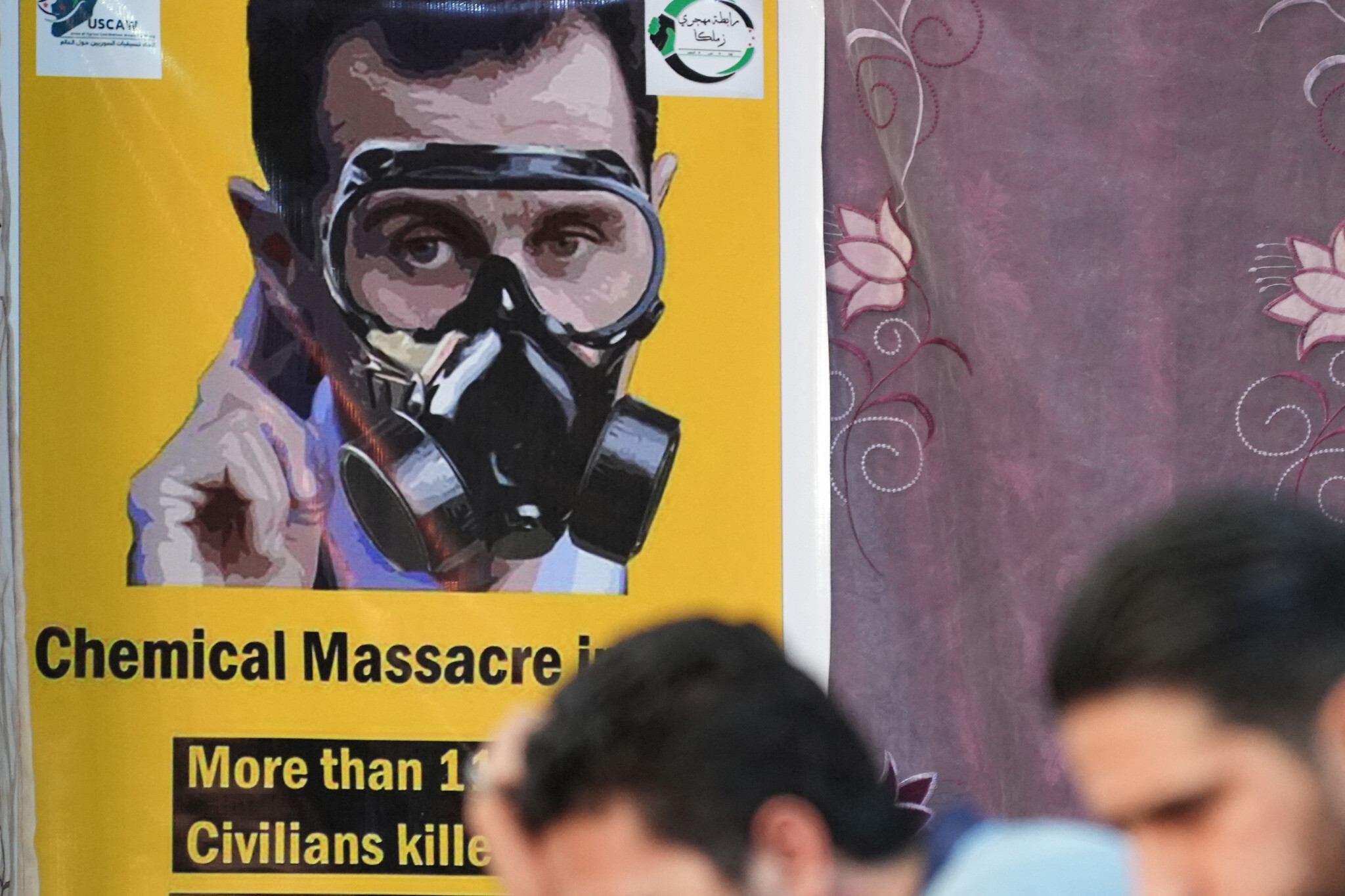
UNITED NATIONS — Syria has begun destroying chemical weapons materials identified by an international watchdog, the country’s UN envoy said Thursday, signaling a major step forward since the 2024 ouster of autocratic leader Bashar al-Assad.
“This is the very first destruction process since we have been liberated from the previous regime,” Ibrahim Olabi told the Security Council. “It’s also the first of its kind to destroy chemical materials on Syrian territory for over a decade.”
In 2021, the Organization for the Prohibition of Chemical Weapons (OPCW) took the unprecedented step of stripping Syria of its voting rights after finding its air force had used nerve agent sarin and chlorine gas on its own people.
But since Assad’s overthrow, the new authorities in Damascus have vowed to cooperate with the OPCW to destroy the chemical weapons the former president was repeatedly accused of using during Syria’s 13-year civil war.
“We aim at protecting the Syrian people so that such weapons will not fall into the wrong hands,” Olabi said Thursday.
He added that his country was “also protecting the world and the region through such work. Every site that is secured, every ammunition that is identified, does not merely remove a danger to Syria, but the entire world.”
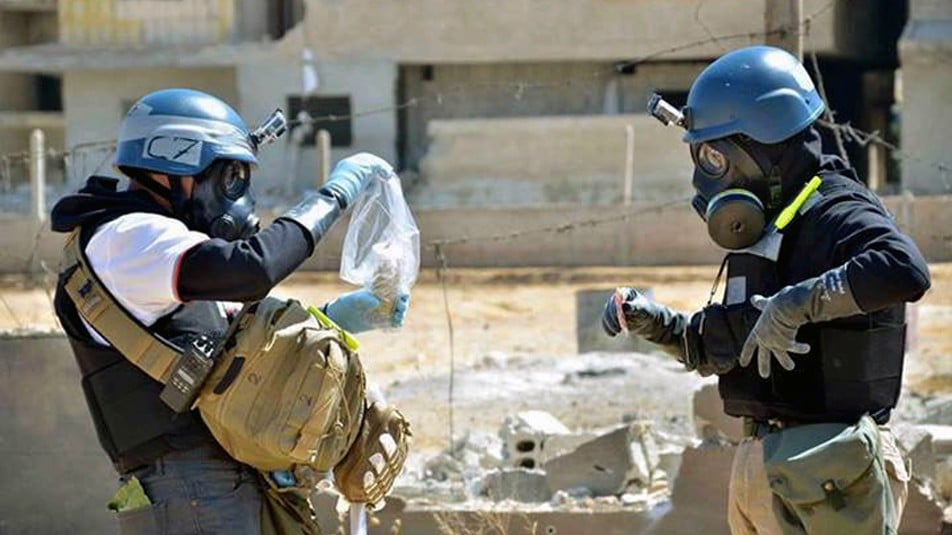
Izumi Nakamitsu, head of the UN disarmament office, said an OPCW team last month “verified the irreversible destruction of 42 aerial bombs” by Syrian authorities.
“This significant development means that, for the first time since 2014, the OPCW has verified the destruction of chemical munitions from the Syrian Arab Republic,” she said.
Suspected chemical attack
In 2013, Syria agreed to join the OPCW and disclose and hand over its toxic stockpile under Russian and US pressure, and to avert the threat of air strikes by Washington and its allies.
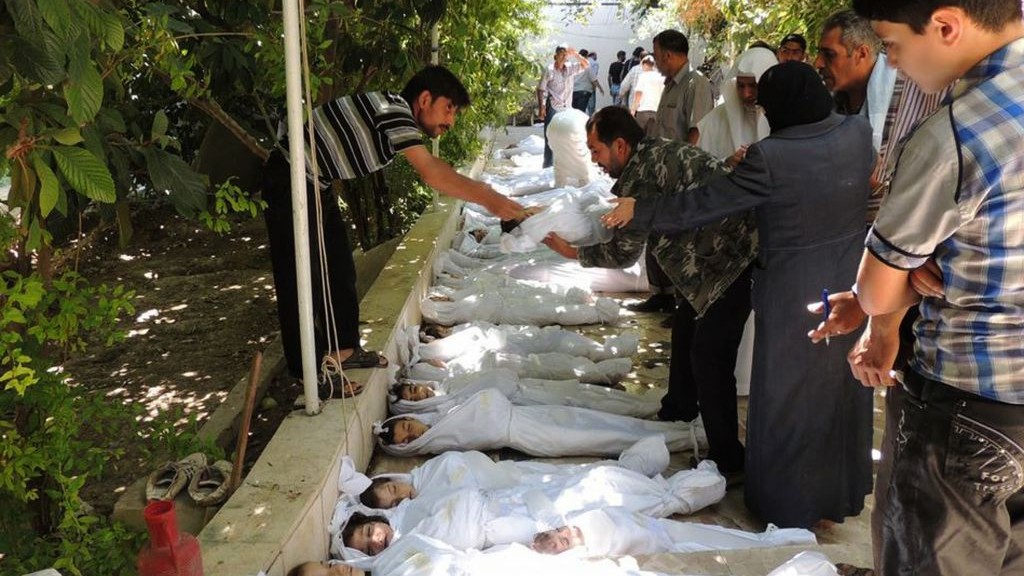
This came after a suspected chemical attack on the Eastern Ghouta suburb of Damascus that killed more than 1,000 people, according to US intelligence, and was attributed to the Syrian government, which denied involvement and blamed rebels.
But the Assad regime failed to declare all of its program and attempted to mislead inspectors.
At the Security Council, the United States urged the new Syrian authorities to continue cooperating with the OPCW.
“Our work to eliminate the Assad regime’s chemical weapons program and to promote accountability is not just essential for international peace and security; it is also a way to honor the Syrian men, women, and children whose lives were taken,” said US envoy Tammy Bruce.
“Let their memory stir us onward as we work toward a Syria and a world finally free of chemical weapons.”
China and Russia also both commended Syria’s progress in destroying chemical weapons materials.




The Times of Israel Community.