

The emperor of all dramas
An angry protest by parents of Hadassah cancer patients needs no extra kick to rend hearts as papers bring readers into the fray
 Add ToI as a Preferred Source on Google
Joshua Davidovich is The Times of Israel's Deputy Editor
News organizations inflate drama. It’s a sad fact, but a fact nonetheless. That’s not to say that stories aren’t dramatic and important by themselves, but if a tabloid can grab an extra eyeball or click by making a story more Hollywood, it will do it.
For the past several days, Yedioth Ahronoth has been giving a masterclass in how it’s done, pulling every last heart string and squeezing every last tear out of the already dramatic crisis wracking Hadassah hospital and the parents of children in the pediatric blood cancer ward.
On Tuesday, as a court ruling that the sides must go to mediation led to angry denunciations and protests, no extra drama-injector was needed to kick the soap opera into Emmy territory, though both Yedioth and fellow tabloid Israel Hayom are seemingly of one mind in how to bring readers into the frothy fray Wednesday.
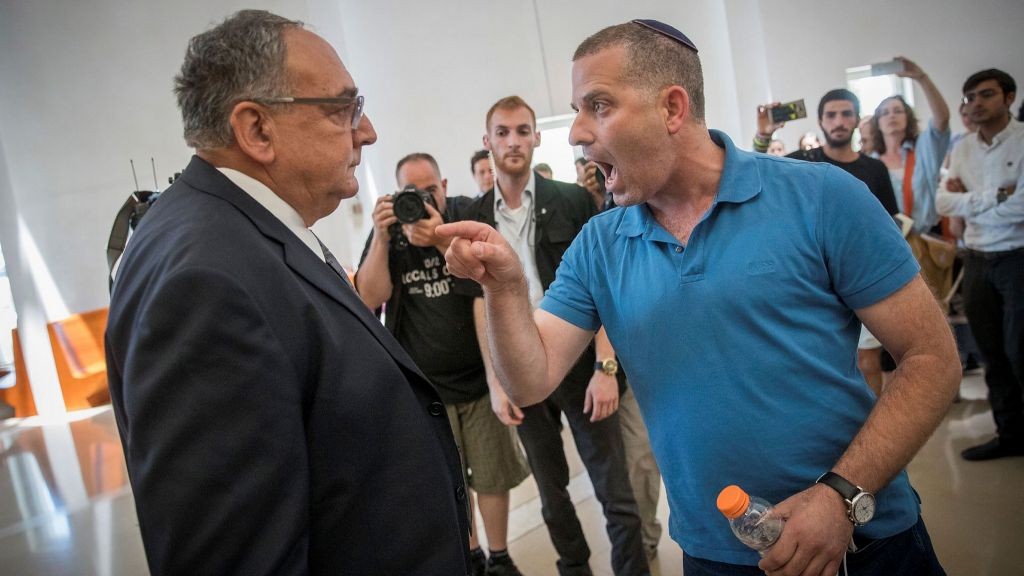
Both papers feature the same headline of “Forced mediation,” the same pictures of father Uri Yakir pointing angrily at Hadassah Ein Kerem head Zeev Rotstein and patient Roee Ben David crying with his mother, as well as protesters in hospital beds taking to the streets, and both feature heart-rending tales of unhappiness from each of those two aggrieved parties.
“I’m sad that it’s already summer break and all my friends are on vacation. I dreamt every day for a year of being with them, but unfortunately instead of going out at night with them, I sit here crying, writing this letter with much despondency and the hope that everything will work out, and mostly that I’ll be able to continue living,” Ben David, 14, writes in his “protest journal” for Yedioth, in which he also reveals that he hasn’t received proper treatment for 28 days, because of the battle.
In Israel Hayom, Yakir defends the parents’ decisions to wage battle, taking it as far as their current hunger strike.
“First and foremost, we need a solution that will allow our children to receive treatment from their doctors here in Jerusalem. The subject here is children suffering from cancer, whose lives are at risk and who are suffering through terrible hardships because of their harsh treatment, but unfortunately, they don’t count,” he writes. “These kids we need to wrap in warmth, protect and give them the best chance to get better. They don’t need more challenges beyond the tough ones they are already dealing with.”
The story gets little play in Haaretz, which leads off instead with two unrelated stories linked only by the fact that they both call into question Israelis doing business with right-wing NGOs.
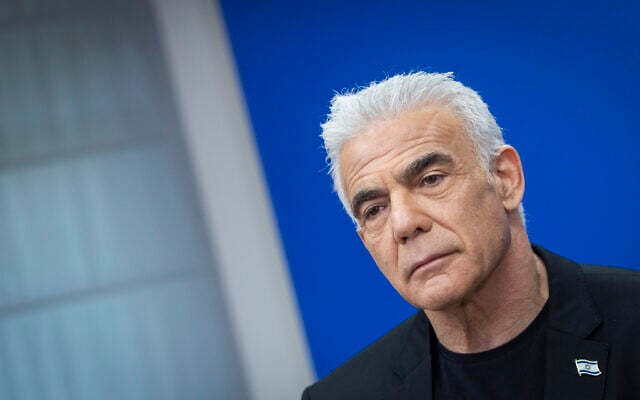
In one, the paper reports MK Yair Lapid is visiting Spain on the dime of NGO Monitor, which given Israeli politicians’ love of free trips abroad, should shock absolutely nobody.
The other story, with a bit more meat, reports that Israel has hired a group known for advocating against migrants rights in Israel to study the situation in Eritrea for a policy decision on how Israel should deal with asylum-seekers from there.
According to the report, the Israeli Immigration Policy Center’s mind is already made up on Eritrea.
“One of its founders, Yonatan Yakobovich, often provides reports from Denmark and Britain showing improvements in the human rights situation in Eritrea. However, these countries still consider Eritrean migrants as refugees. The center ignores other reports by the UN and the U.S. State Department which indicate grave human rights violations endangering the lives of anyone returning there,” the story reads.
Haaretz and the others papers continue to carry coverage of the fallout from the Western Wall reversal, but it’s clear the issue is fading from view.
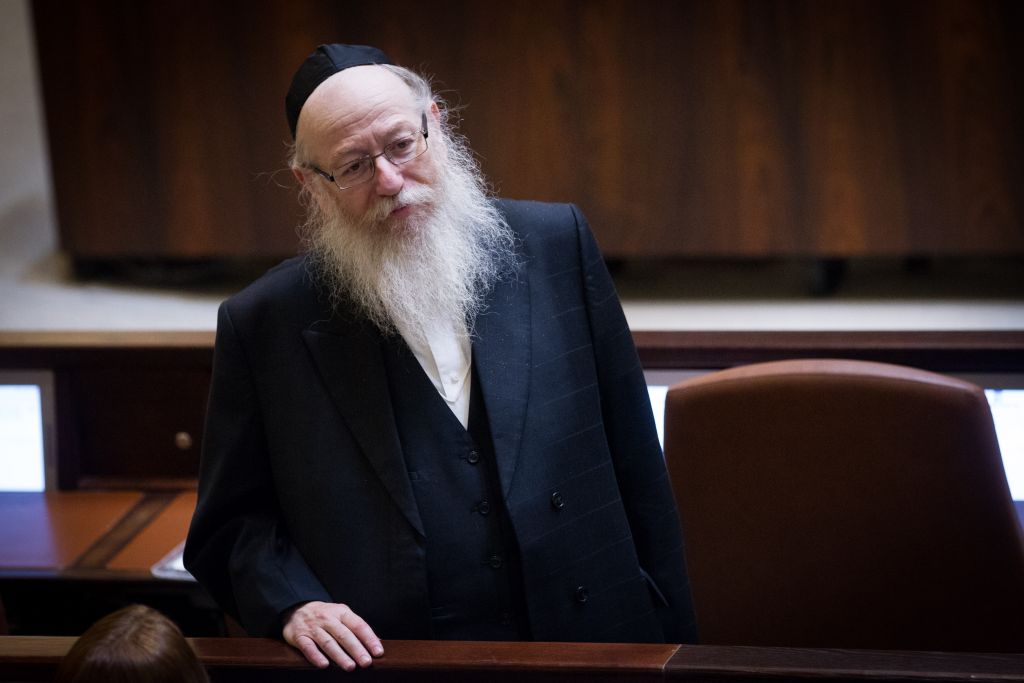
Israel Hayom runs an interview with top Haredi lawmaker Health Minister Yaakov Litzman who says the ultra-Orthodox aren’t trying to do anything other than innocently trying to protect the country from harmful progressive ideals that may not fit the ultra-Orthodox worldview, projecting an air of blamelessness.
“We are just fixing the status quo that others have broken,” he tells the paper. “The Reform went to court and broke the status quo and we are just trying to fix it, the mayor of Tel Aviv broke it over opening stores on Shabbat and we are fixing it. We are just putting things back how they were.”
Litzman is also quoted saying that the ultra-Orthodox don’t want to fight with secular Jews, which may be true, but oh boy do they have it in for the Reform, according to a Yedioth story, which looks at how Haredi textbooks treat all sorts of non-Orthodox Jews.
One 9th-grade textbook quoted by the paper takes aim at Moses Mendelssohn, a founder of the Jewish enlightenment.
“From the Enlightenment of Moses Mendelssohn there were two ways: one path led to destruction and the other to Reform,” the book is quoted reading. “Those who went the first way were cut off from the nation’s family tree [a reference to conversion], they were destroyed, those who went the other way tried to harm the tree itself, to corrupt it, and to change it by lending Judaism the form of Christianity.”
The paper says the Reform movement is also called “treacherous,” and its members: “arrogant” and “low.”
Despite its lack of major coverage, Haaretz’s lead editorial posits that Israelis should care more about what is happening at the Western Wall and with the conversion bill.
“These two steps are an ugly surrender to the ultra-Orthodox powers and another move toward a country ruled by Jewish law – and a country in the hands of a small community that claims sole ownership of the interpretation of Jewish law,” it writes. “Those who believe that this struggle only involves the relations between Israel and the Jewish world, or a few women who want to pray in their own way at the Western Wall, are wrong.”







The Times of Israel Community.