

The survivors who ‘didn’t survive’: Photographer captures Shoah psych patients
Gili Yaari, a Holocaust survivor’s son, did two stints documenting life at Sha’ar Menashe, a mental hospital where those whose lives were changed forever can find refuge
 Add ToI as a Preferred Source on Google
Jessica Steinberg, The Times of Israel's culture and lifestyles editor, covers the Sabra scene from south to north and back to the center
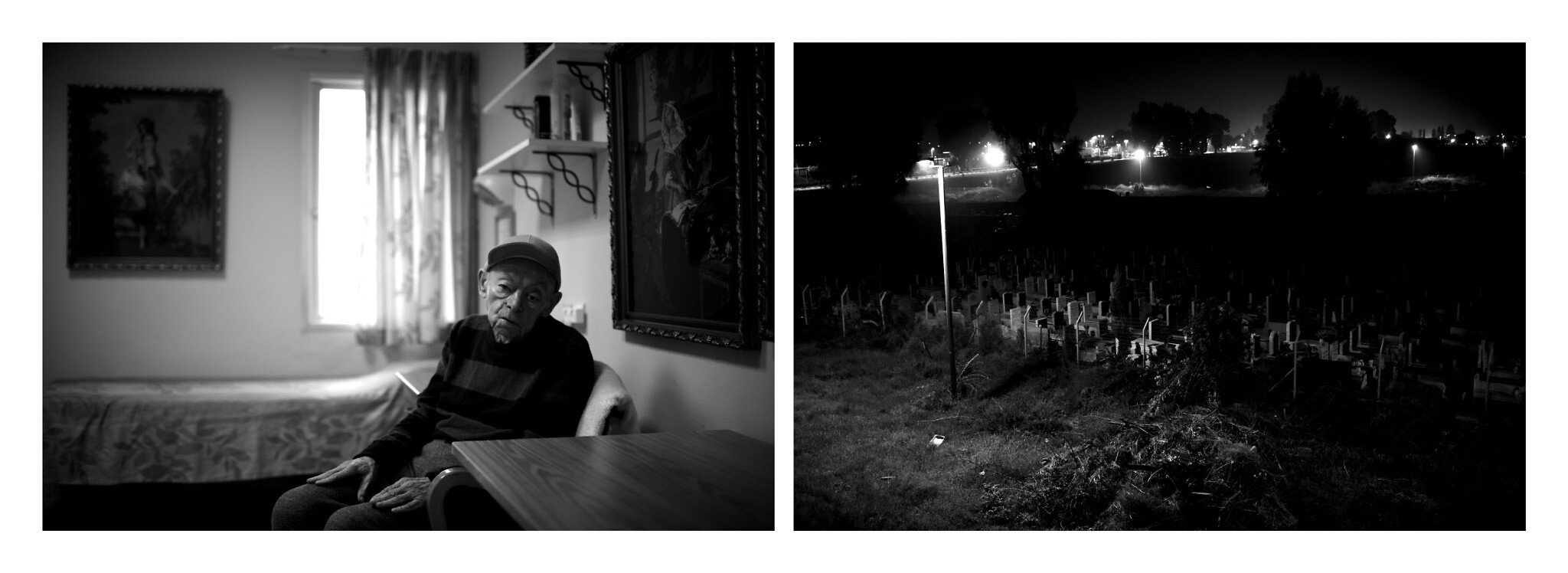
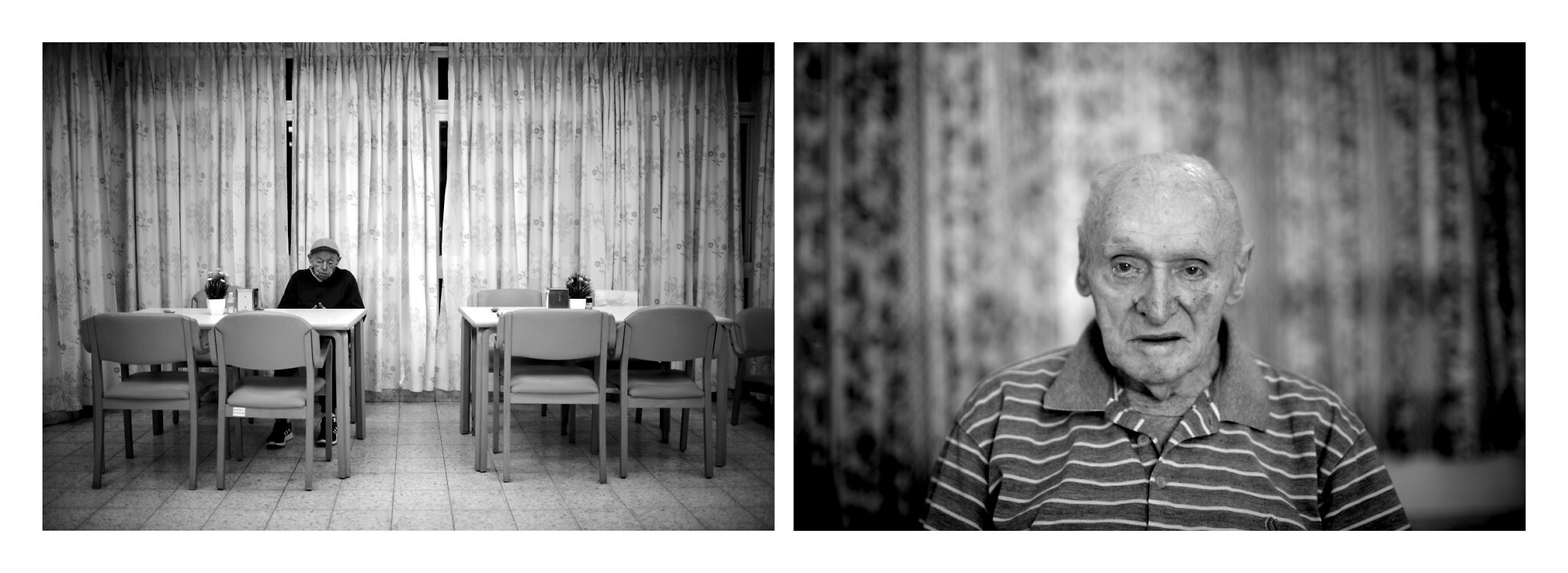
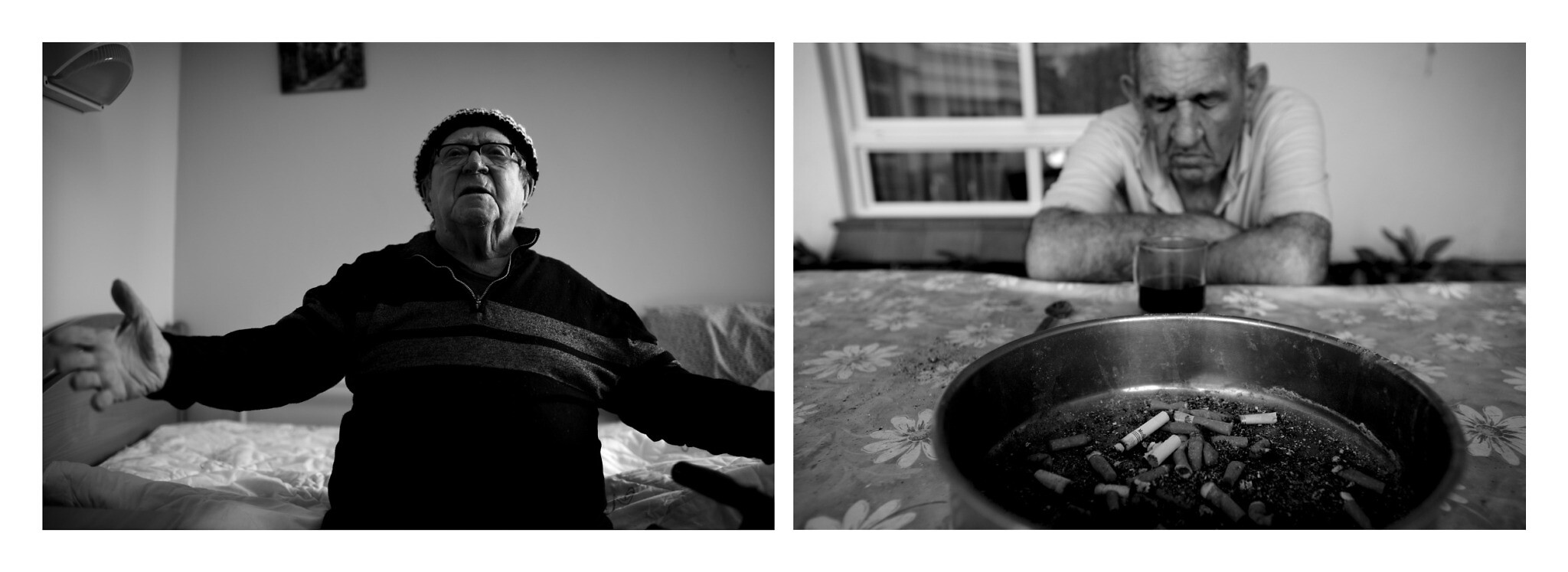
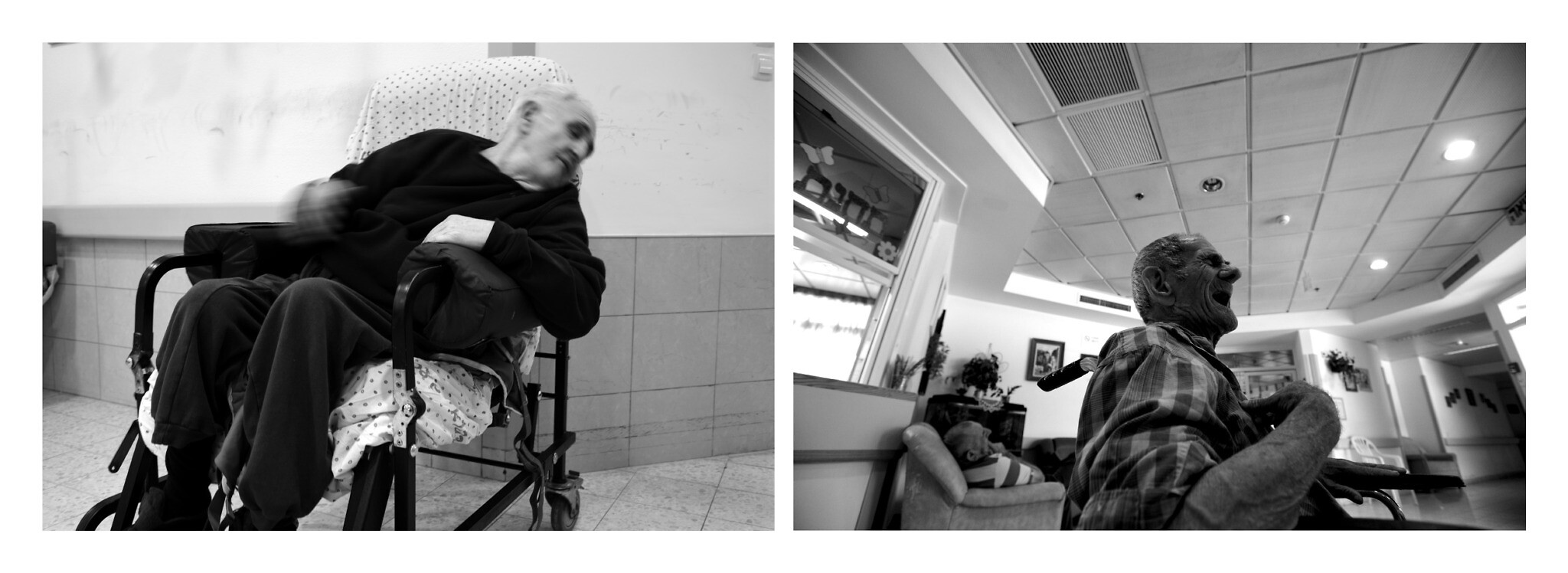
The Holocaust has always loomed large in the images captured by photographer Gili Yaari’s lens.
It’s his birthright, as a second-generation survivor.
“When you grow up in that kind of family, you really live it, and you understand at some point that this background isn’t totally normal,” said Yaari.
It was that emotional turmoil, the sense of the world as a dangerous place that has to be survived, that led Yaari to wrangle with his history in order to better understand it.
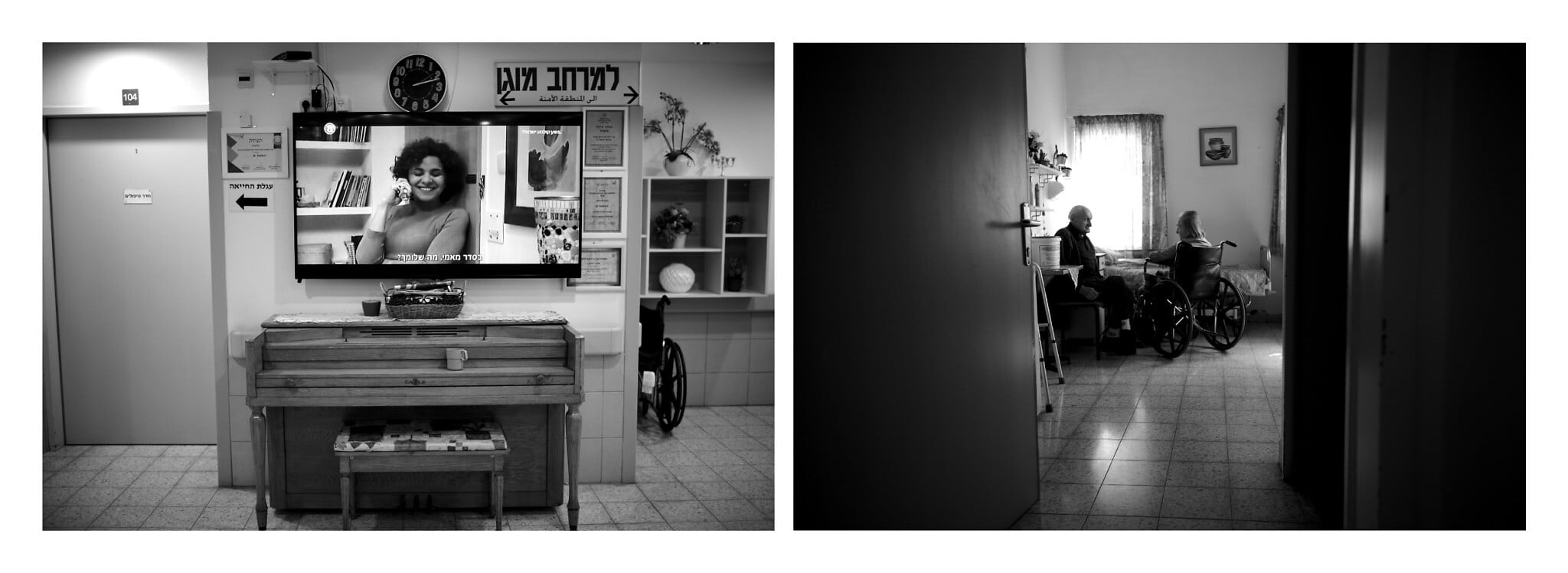
Right, 2010: Arieh Bleier, then 80, born in Hungary and Julia Vodna, 80, born in Yugoslavia, developed a close friendship. They both passed away a few years ago (Courtesy Gili Yaari)
Yaari started delving into the lives of Holocaust survivors with his camera in 2010, when he spent six months documenting patients at northern Israel’s Sha’ar Menashe, a mental health hospital that has a department for Holocaust survivors.
“I realized there are people who are hospitalized for what happened to them, but there’s a fine line between those living a regular life and those who don’t,” he said.
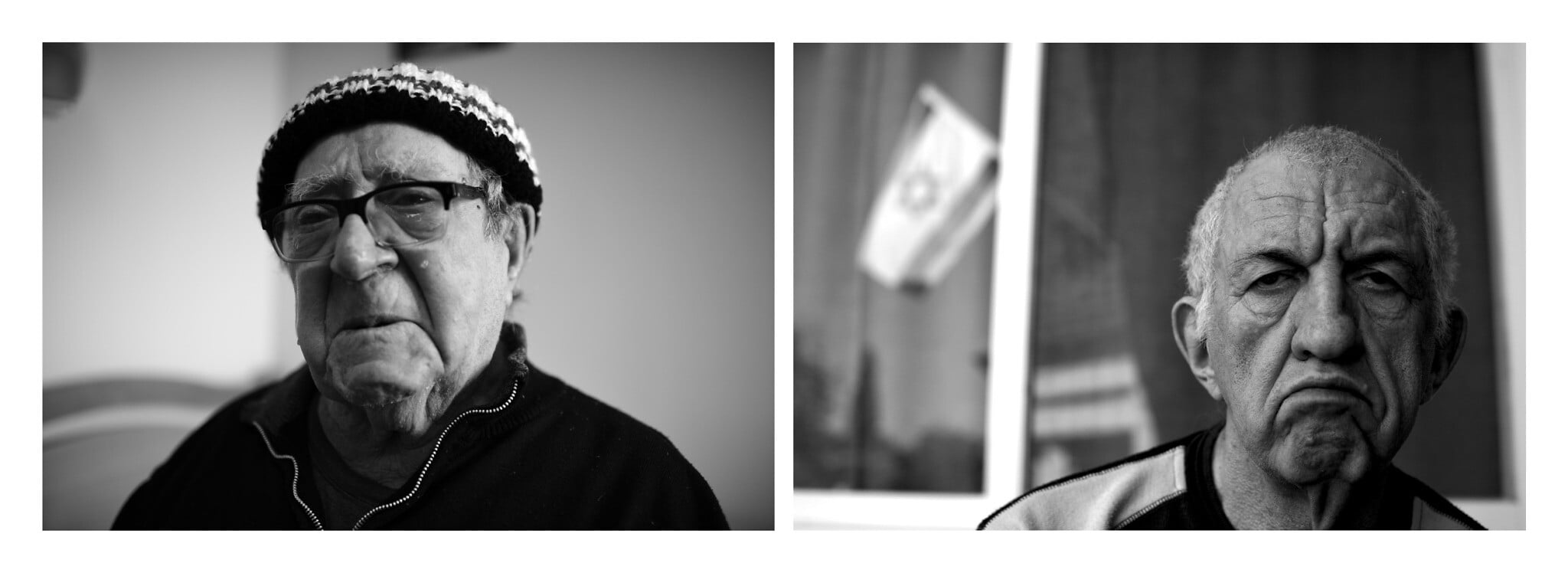
Right, 2010: Michael Antoshevitz, then 70, born in Belarus, in the hostel yard. He passed away a few years ago (Courtesy Gili Yaari)
Now, ten years later, he returned to Sha’ar Menashe, to bear witness for those who were still alive, and to devote more time to the unfolding story.
“It’s a story that touches two points in time, ten years apart,” said Yaari. “It’s in the same place, with people who survived — but they didn’t really survive.”
Some of the patients have spent their lives in psychiatric hospitals, others lived regular lives and managed to integrate into society, but “just broke in the middle,” said Yaari.
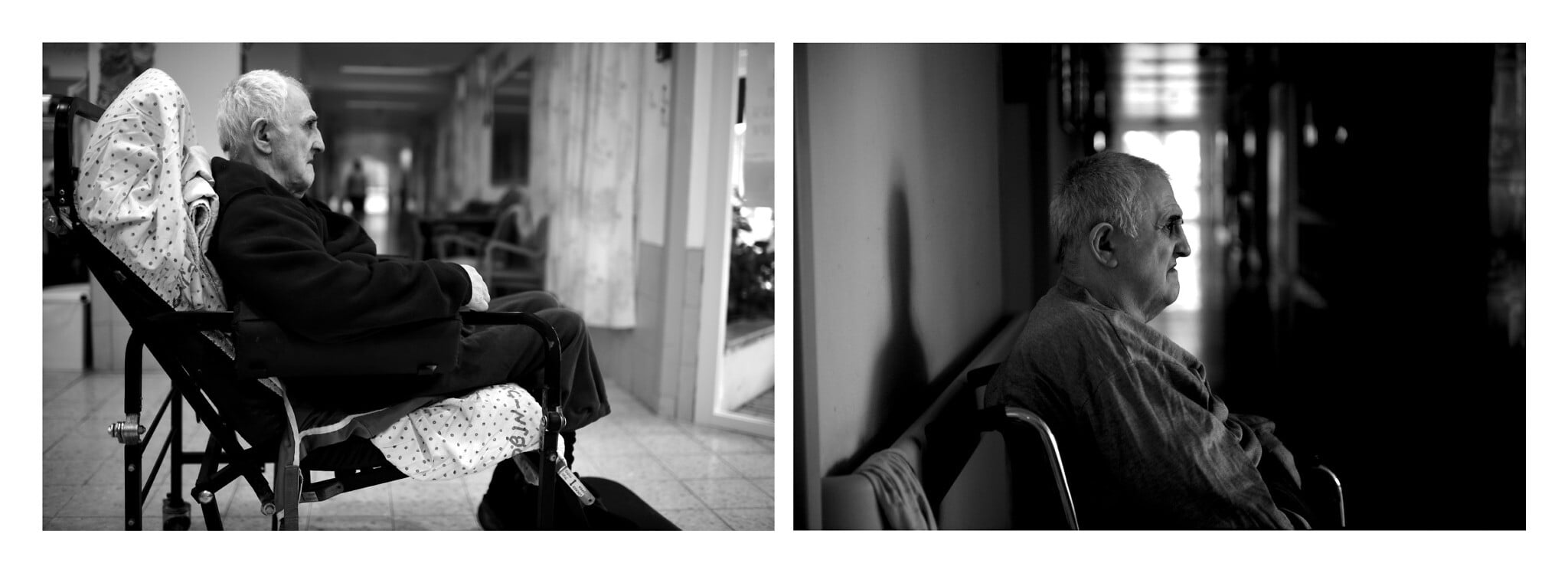
There are faces who were new to Yaari in this second tour of the Sha’ar Menashe, who had functioned in society but required more assistance once they aged.
The hospital offers a supportive atmosphere, said Yaari, with psychiatric help and social workers, as well as many volunteers who create programming.
“The first time I photographed people there, it was for half a year and it was a way to deal with issues that came up for me,” he said. “When I finished, I put it behind me for a while. Now I felt like enough time had passed and I could go again and deal with it.”
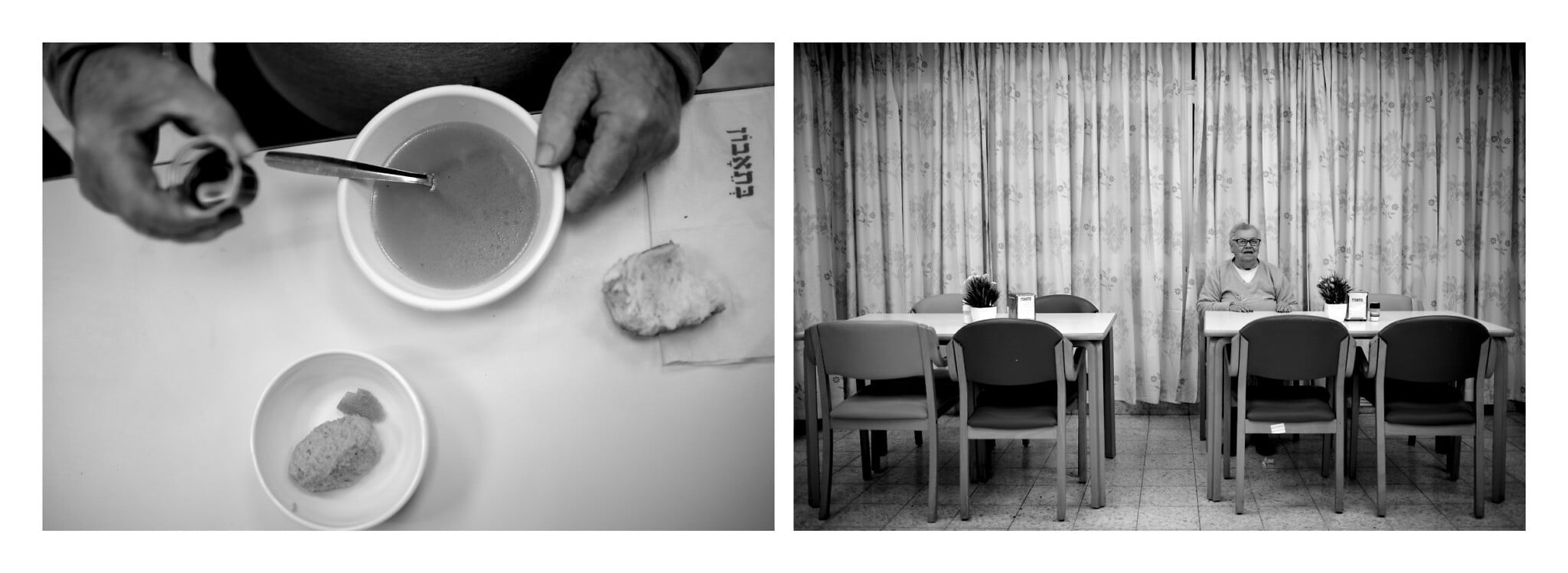
Right, 2020: Golda Schwartz, 90, born in Romania, in the dining room (Courtesy Gili Yaari)
This latest collection includes 14 photos, as Yaari’s time at the hospital was cut short by the coronavirus, when the hospital closed its doors to all outsiders.

“It’s a hard place because you see people who you understand this is their whole life,” said Yaari. “Or their whole life was like this.”
He anchored the 14 photos from this latest collection around Israel Hershko, who came to the hospital with his wife, and then stayed when she died.
There are others who touched Yaari, including one man he often spoke to in Hungarian, a language that Yaari learned from his survivor father.
He’ll continue to work on it, as long as there are survivors to remember.








The Times of Israel Community.