

Who still reads Holocaust stories? A publisher sees shifting trends after October 7
Demand for Holocaust memoirs is falling amid rising antisemitism and changing consumer patterns. A non-Jewish Dutch woman has made it her mission to keep survivors’ voices on shelves
 Add ToI as a Preferred Source on Google
Zev Stub is the Times of Israel's Diaspora Affairs correspondent.
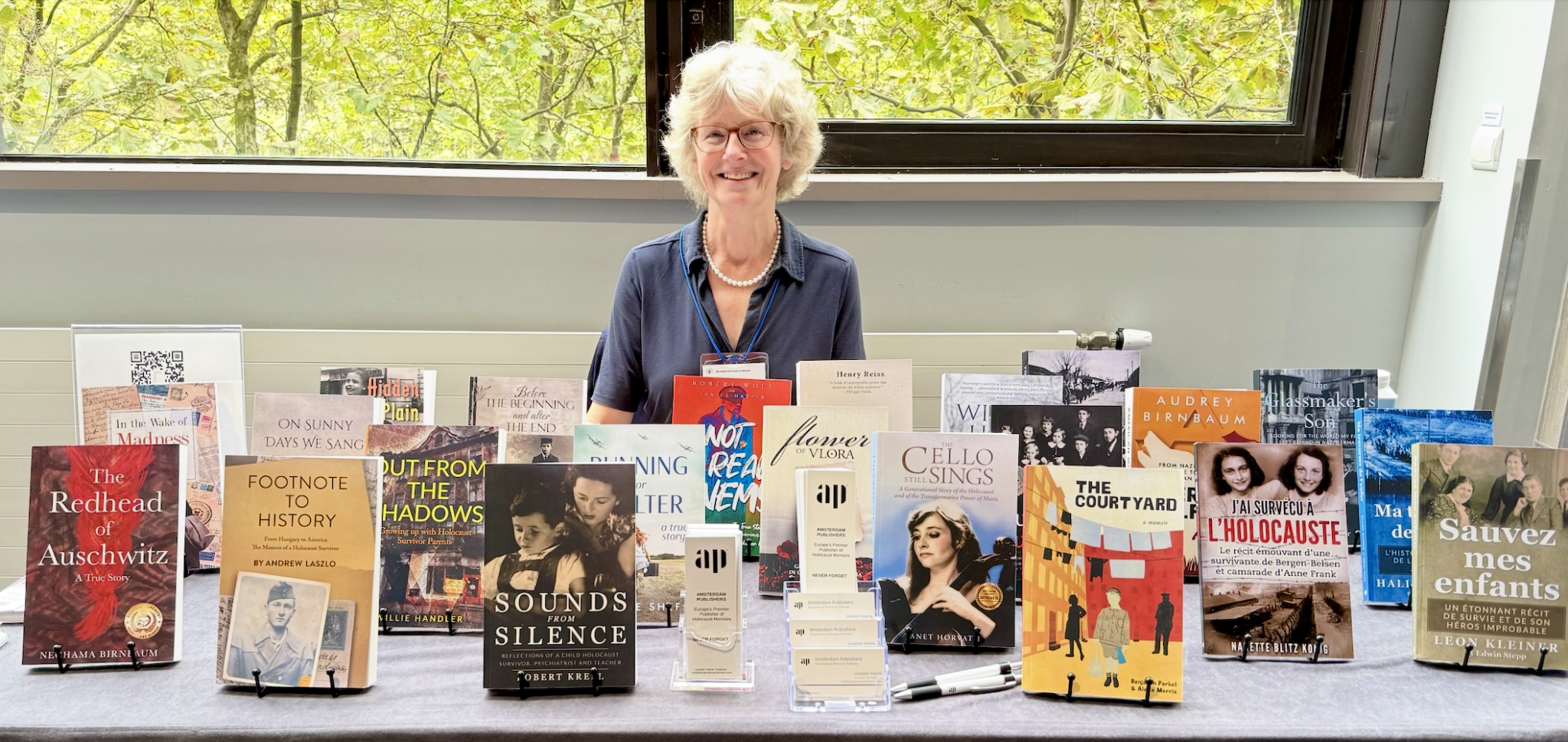
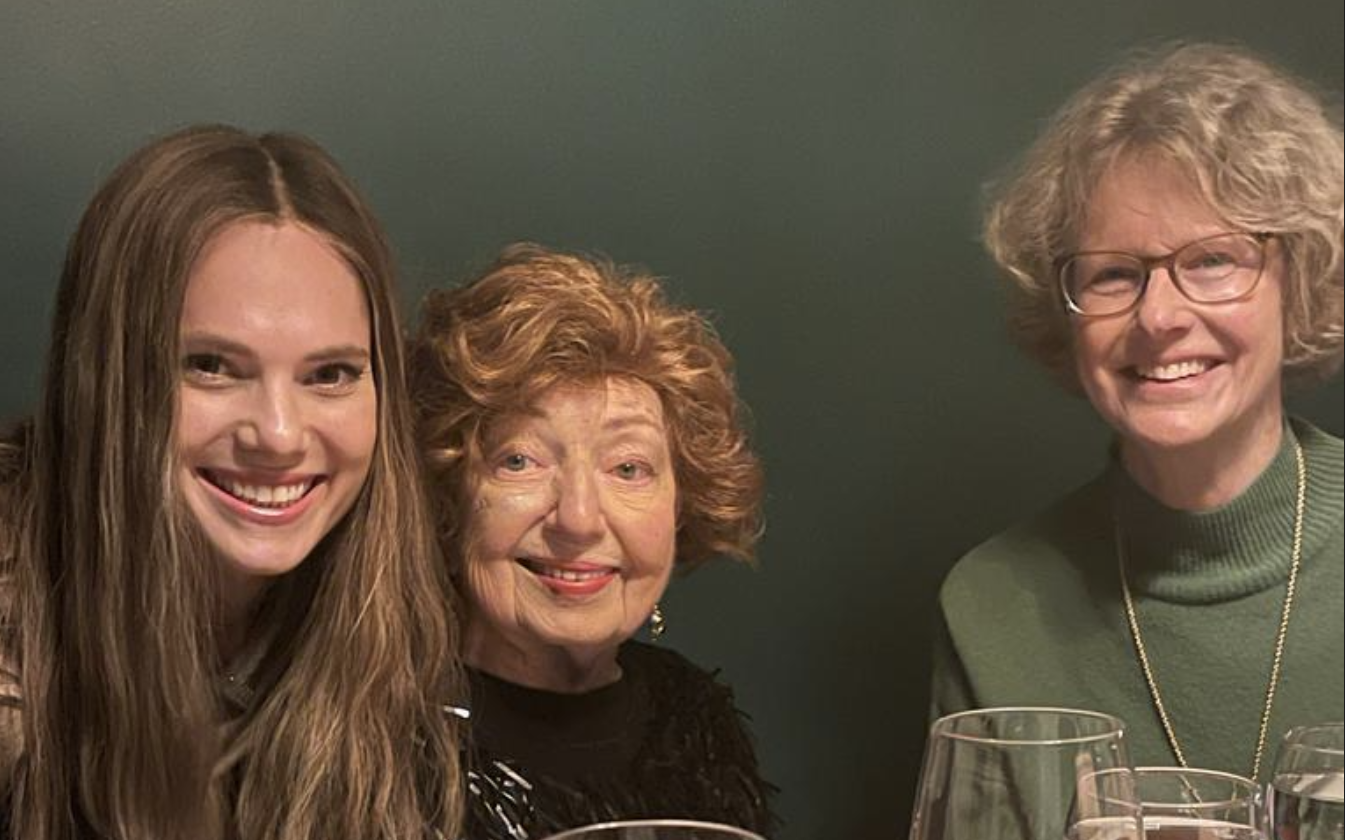
Liesbeth Heenk doesn’t just publish Holocaust memoirs — she tracks, in real time, how the world reads them. And since the bloody Hamas attack of October 7, 2023, what she’s seeing has changed dramatically.
As the owner of the largest publisher of Holocaust memoirs in Europe, Heenk lives and breathes stories of brutality and resilience from the Nazi murder of 6 million Jews. Some 14 years after she launched Amsterdam Publishers as a one-woman crusade to make a difference, she has more than just a good feel for what types of stories people buy, and which messages and emotional levers hit the hardest.
She has the data to prove it.
“On Amazon alone, I can see that people have read 73 million pages [of Holocaust memoirs] on Kindle ebooks, besides everything in print,” Heenk said in a video call with The Times of Israel. “Each of those is a page read by a person somewhere in the world, one at a time.”
A non-Jewish woman living in Amsterdam, Heenk trained as an art historian and once managed elite art collections at major auction houses, even working with the Dutch royal family. But she left the field in search of greater meaning.
“There were times when I couldn’t tell myself what I was doing all day, because it did not move me in any way,” she said. “Now, I don’t do anything but dream about the Holocaust, and books, and editing, and I find it so much more worthwhile.”
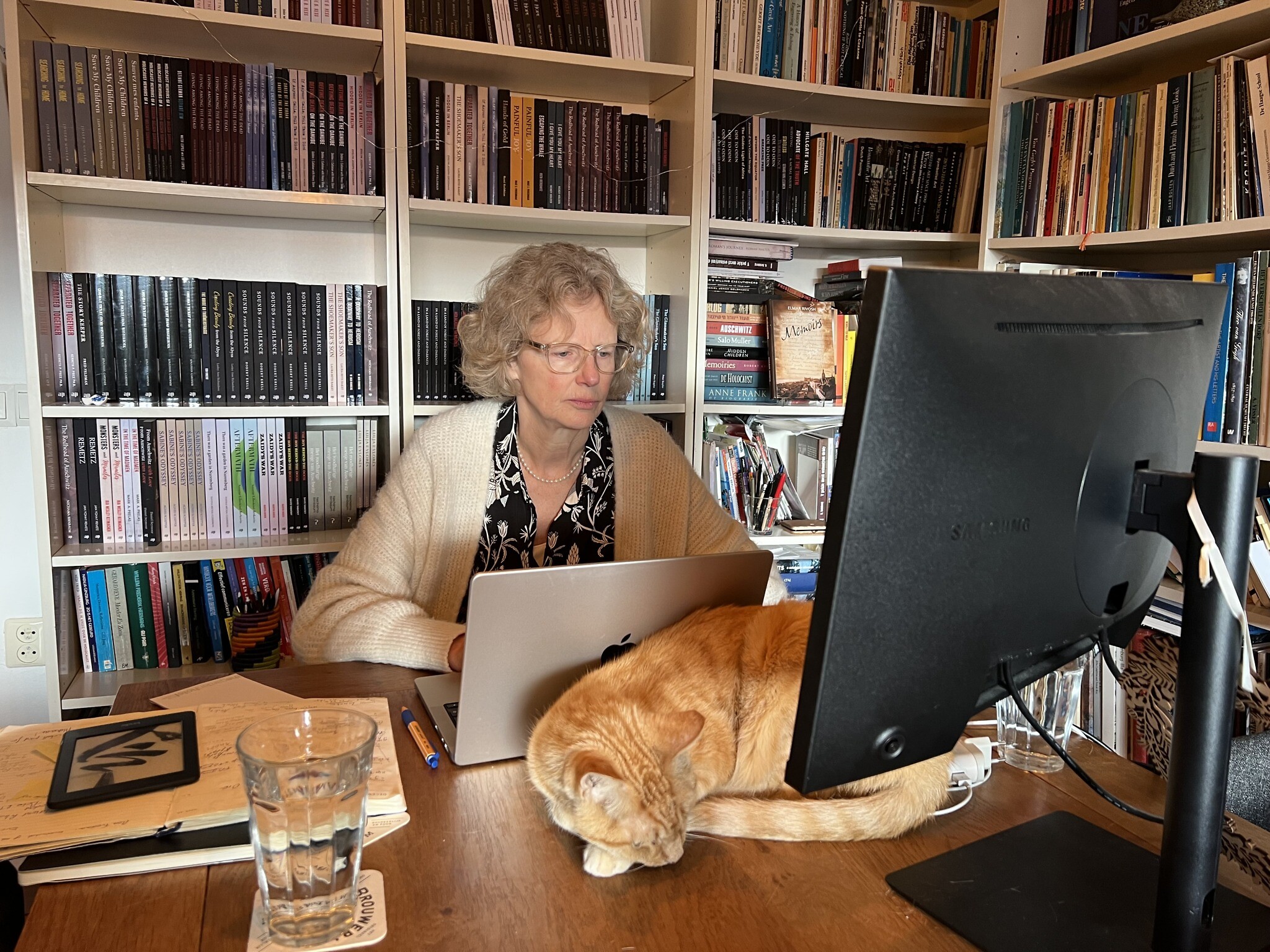
Today, Heenk is driven to build what she describes as the largest possible reservoir of Holocaust testimony before it is too late.
Her company currently has about 130 memoirs in print in multiple languages, alongside others that have gone out of print or been taken over by other publishers. But with fewer than 200,000 Jewish survivors still alive worldwide, according to data from the Conference on Jewish Material Claims Against Germany, the opportunity to share their stories is rapidly dwindling.
And with demand for Holocaust stories cratering since October 7 amid rising antisemitism and the widespread distortion of Holocaust history online, Heenk believes her effort to document the genocide of 6 million Jews is more urgent than ever.
Reading the Holocaust
Heenk works from her desk seven days a week, without employees. (“I had three assistants last year, but I actually published fewer books,” she said.) She releases about 20 new titles annually, none of them academic.
“We don’t do scholarly books,” she said. “I believe in storytelling. There is nothing like the power of a personal testimony, because it creates empathy. And that is what we need.”
Understanding what draws readers to Holocaust memoirs to begin with is a pressing challenge. Broadly speaking, she said, people are looking for one of two things.
“Some people come to these books fascinated by the darkest question: How can human beings do this to other human beings?” she said. “They are drawn to how people can be so evil to one another,” she said.
Others — by far the larger group — are drawn to something closer to its opposite.
“Most people connect to the enormous resilience, the hope, and the strength of the protagonists under such inhuman conditions,” she said. “There is so much beauty in these types of stories.”
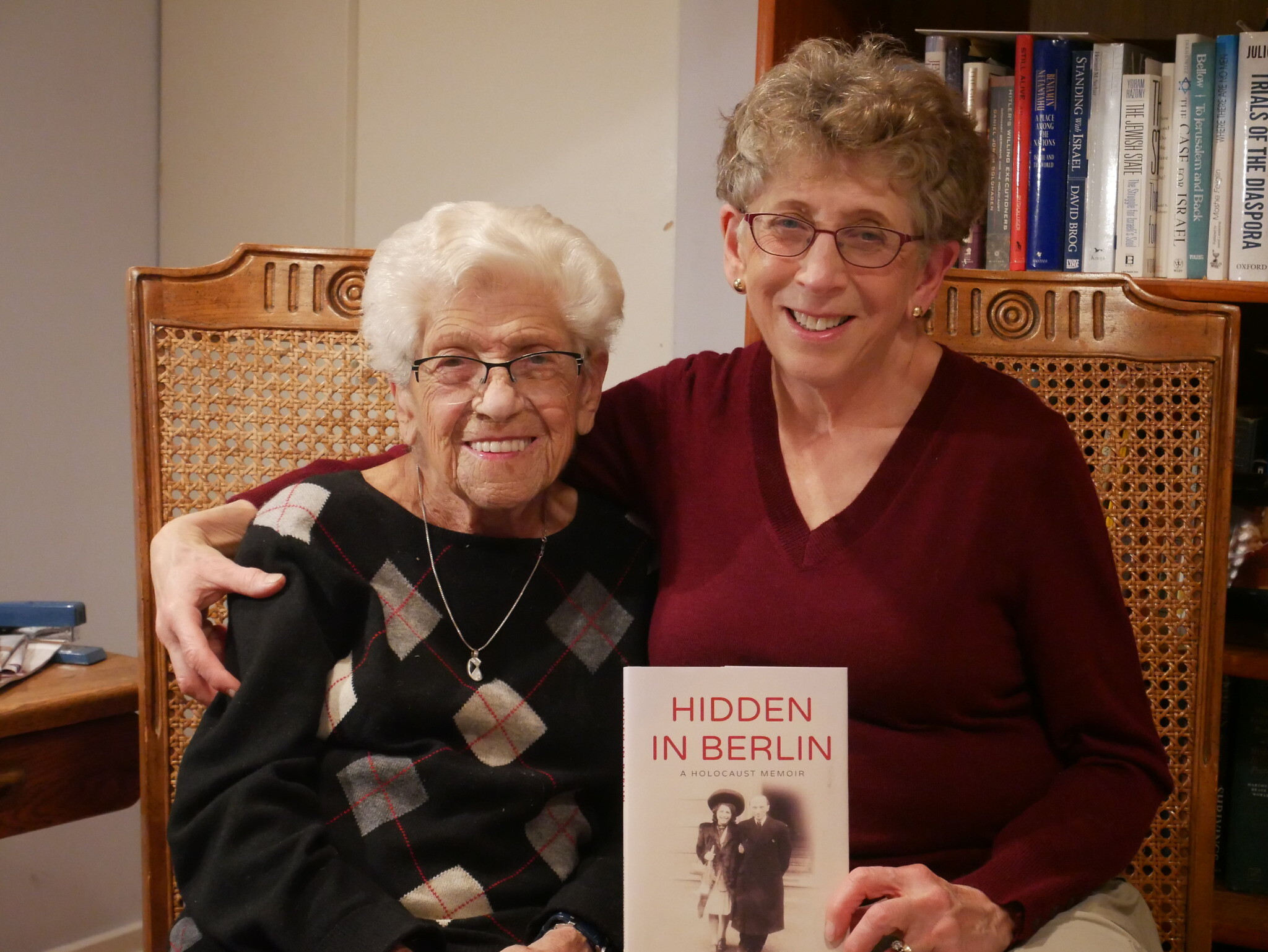
Tales told firsthand are far more powerful than those related by others, and first-person survivor testimonies consistently outperform second- and third-generation accounts, Heenk said.
“The closer to the original voice, the stronger the impact,” she said.
However, the availability of manuscripts written by survivors is declining, and those that arrive on her desk nowadays are often translated from Hebrew or Polish, trickling in decades after they were first written. Heenk occasionally receives manuscripts from child survivors hidden in Belgium or the Netherlands, a group that is a bit younger than those who passed through the camps. When she receives a flawed manuscript from someone of that generation, she’ll often send it to an editor to try to rework it into something publishable.
But most of those that cross her desk are written by the children and grandchildren of these survivors, she said.
“Those can still sell if it’s a genuinely good story,” she said. “Some of those are our best sellers.”
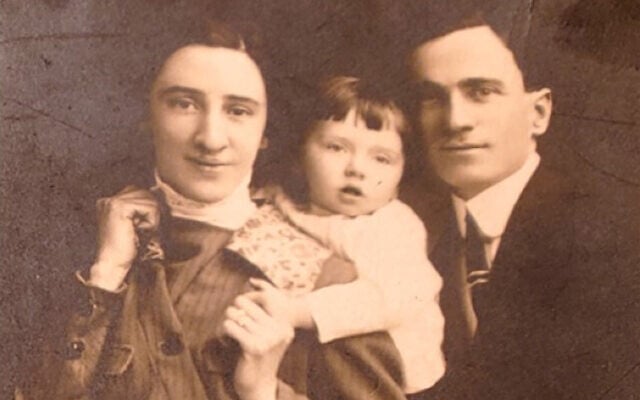
Those include “The Redhead of Auschwitz,” a third-generation memoir by Nechama Birnbaum about her grandmother, Rosie. Upon noticing that the concentration camp tattooist about to inscribe the number on her arm was doing a sloppy job, Rosie changed queues — having decided with complete clarity that she would survive, she wanted a neat tattoo to show for it.
“That attitude is remarkable,” Heenk said. “She was absolutely determined.”
Heenk sees a clear drop-off in interest from the great-grandchildren of survivors, the so-called fourth generation, however.
“They are too far away from the original story,” she said. “They’re not connected in the same way, which is why we have to act now to get the word out.”
All about the branding
Heenk has observed other, more surprising trends. Books with the word “Auschwitz” in the title almost invariably sell better, she said. And Germans read more Holocaust books than any other nationality.

“I think they have learned their lesson,” Heenk said. “I publish a lot of books in German, because they read these stories more than in the English-speaking world.”
Books remain the preferred way that most people consume Holocaust stories, even as audiobooks and podcasts gain popularity in the publishing world.
“I don’t see listening to a Holocaust book while they do the dishes or commute to work,” she said. “These stories demand a different kind of attention, and people’s emotions don’t work like that.”
A changing narrative about the Holocaust
For Heenk, the most pressing and immediate issue in the field of Holocaust publishing is how the market has collapsed since Hamas sparked the war in Gaza on October 7, 2023.
Since then, the entire narrative has changed, Heenk said. Sales are down since the war. Bookshops and cultural venues that once welcomed Holocaust memoir authors are increasingly saying no. Readers, Heenk suspects, are increasingly reluctant to engage with Holocaust material openly under the growing threat of antisemitic backlash.
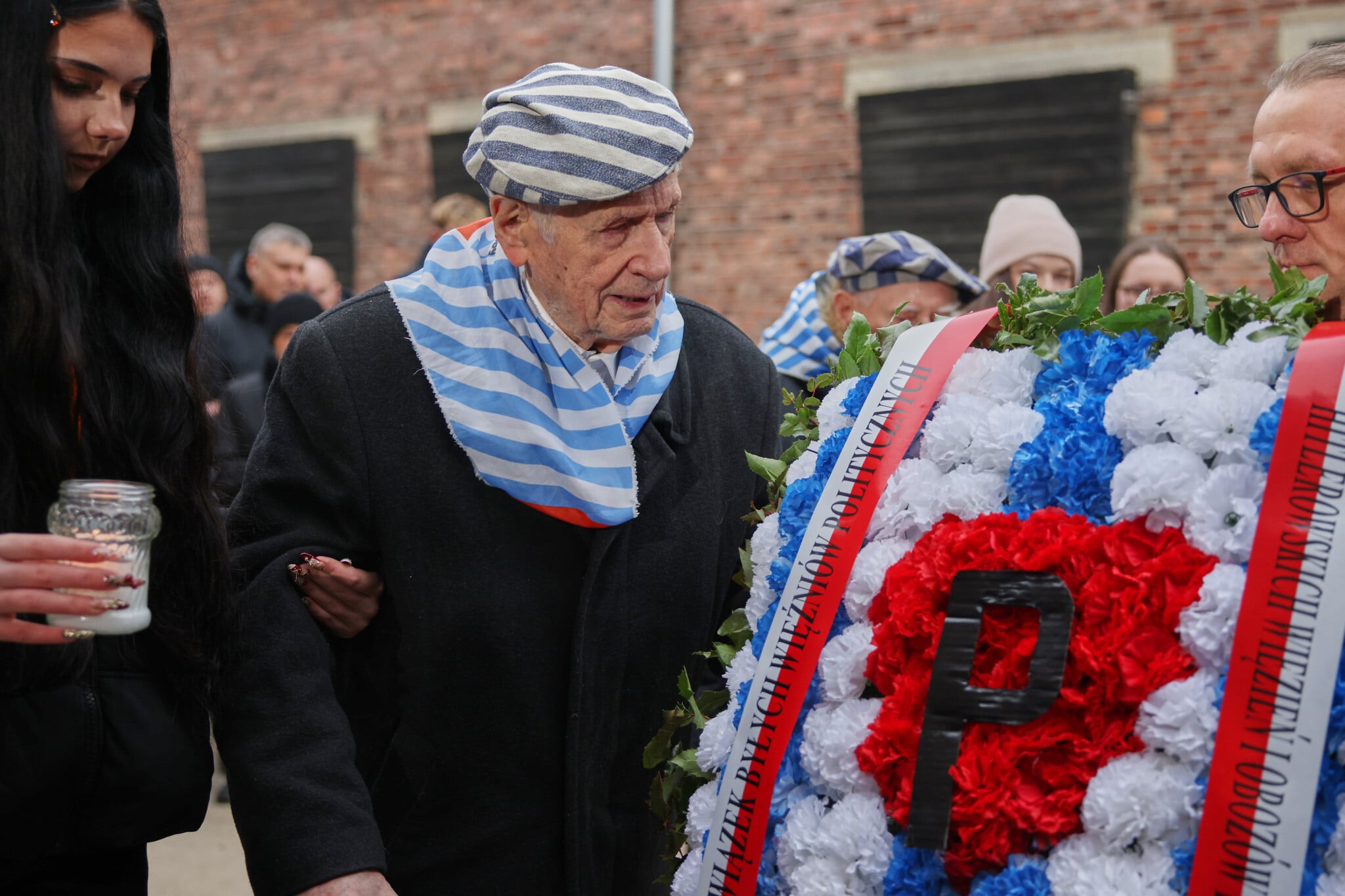
“People riding public transport or walking the streets do not want to be seen reading a book about the Holocaust,” she said. “There’s a stigma related to everything about being Jewish, and the Holocaust, as a term, is being abused in a major way.”
Heenk herself began receiving late-night phone calls in the months after October 7 — repeated, silent calls, with no voice on the other end. She is now under police protection, she said.
“In the beginning, I was a little frightened,” she said. “It’s insane that I’m trying to help people learn from the lessons of history, and now, I’m being told, as a publisher, that I’m on the wrong side of history.”
Now, she said, the hostile environment has only strengthened her sense of responsibility.
“People ask me when I am going to retire, but these attacks give me more determination to get the message out,” she said. “Now, more than ever, I can’t stop.”
This article contains affiliate links. If you use these links to make a purchase, The Times of Israel may earn a commission at no additional cost to you.









The Times of Israel Community.