

With no strategic change on either side, the battle in Gaza is over PR
Both Jerusalem and Hamas are primarily looking to preserve a tough public image among their political bases, rather than seeking an actual solution for their people

 Add ToI as a Preferred Source on Google
Avi Issacharoff, The Times of Israel's Middle East analyst, fills the same role for Walla, the leading portal in Israel. He is also a guest commentator on many different radio shows and current affairs programs on television. Until 2012, he was a reporter and commentator on Arab affairs for the Haaretz newspaper. He also lectures on modern Palestinian history at Tel Aviv University, and is currently writing a script for an action-drama series for the Israeli satellite Television "YES." Born in Jerusalem, he graduated cum laude from Ben Gurion University with a B.A. in Middle Eastern studies and then earned his M.A. from Tel Aviv University on the same subject, also cum laude. A fluent Arabic speaker, Avi was the Middle East Affairs correspondent for Israeli Public Radio covering the Israeli-Palestinian conflict, the war in Iraq and the Arab countries between the years 2003-2006. Avi directed and edited short documentary films on Israeli television programs dealing with the Middle East. In 2002 he won the "best reporter" award for the "Israel Radio” for his coverage of the second intifada. In 2004, together with Amos Harel, he wrote "The Seventh War - How we won and why we lost the war with the Palestinians." A year later the book won an award from the Institute for Strategic Studies for containing the best research on security affairs in Israel. In 2008, Issacharoff and Harel published their second book, entitled "34 Days - The Story of the Second Lebanon War," which won the same prize.
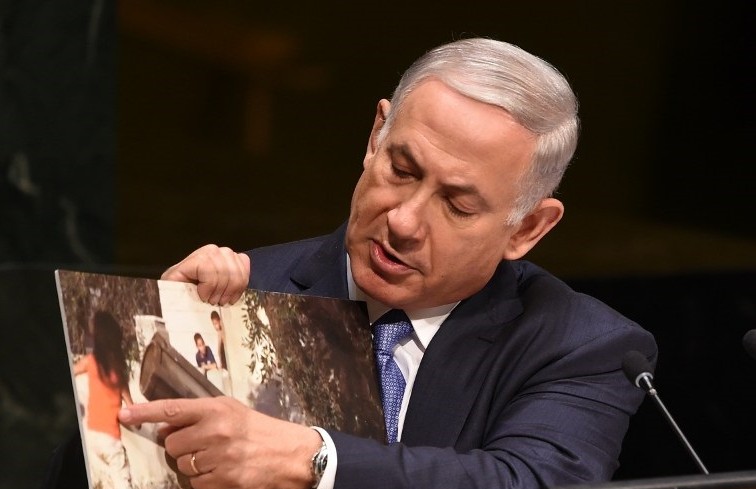
The ritual is repeating itself again. We see urgent cabinet meetings by Defense Minister Avigdor Liberman (who long ago said Hamas leader Ismail Haniyeh would be dead within 48 hours of Liberman taking office) and Prime Minister Benjamin Netanyahu, which all end with a very threatening statement against the terror group which rules the Gaza Strip — but basically acknowledge there isn’t much to do about it all.
War isn’t a real option at this stage, and serious concessions on Gaza are not possible for this government without solving the problem of the Israeli captives in Gaza and the Palestinian prisoners in Israel.
There are no good options. One is worse than the next.
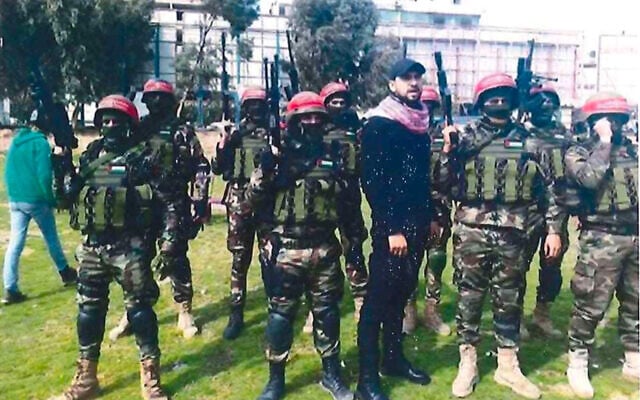
And Hamas is in a similar situation. The very moment a delegation of the terror group’s senior officials from abroad ends its Israeli-approved visit to Gaza, and all the “heroes” exit the Strip in a fancy parade, the rocket fire against Israel is renewed.
Hamas is ashamed to admit to the Palestinian public that it wants to sever its obligatory link to the West Bank, and reach a deal with Israel — alone — as soon as possible. Instead, it is preferring to focus on its militant public image.
“The organization is in a state of self-defense and filling its duty to respond to the aggression against our people,” a Hamas spokesman in the Strip said disingenuously Thursday morning.
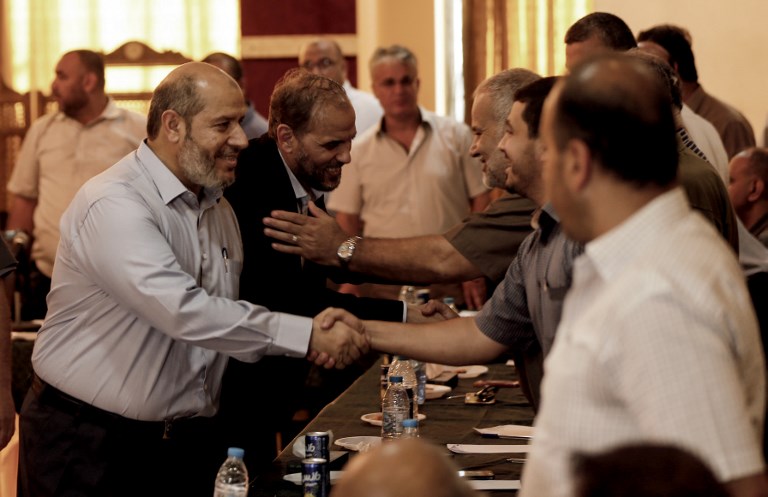
“The intensifying of the barbaric bombings on Gaza and the harming of civilians are premeditated; the occupation bears responsibility for their consequences and will pay a dear price for its crimes,” he added.
And that is how both sides are presently conducting themselves: First of all by thinking about how their actions affect public opinion, and only then about their communities’ actual plights.
It is more important to Hamas to market its image as a “resistance” organization — while its leaders abroad stay mainly at luxurious apartments and hotels.
For the Israeli government, it is more important to promote the nation-state law than to bring about an actual solution in the south.
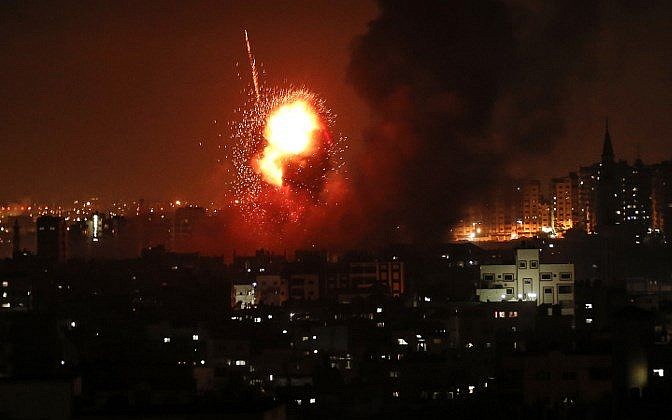
Much can be said, of course, about the mistake made when the IDF shot and killed two Hamas members it thought had opened fire at targets in Israel, when they actually were showing off to the terror group’s leaders, including those abroad.
But that isn’t the point.
The current situation will lead to other mistakes — if not next week, then the week after that. The killings, the casualties and the suffering will all continue regardless of ceasefires.
The humanitarian state in the Strip will worsen, southern Israel will continue to suffer. Utterly hostile to the very fact of Israel’s existence, Hamas will not change its strategy. And while we might get further nation-state laws, what we won’t see is a strategic move regarding Gaza from Jerusalem — which fears a dramatic interim arrangement with Hamas, and also fears war.






The Times of Israel Community.