

Woman’s dying wish ends Dutch Jewish cemetery’s century of disuse
Funeral of Holocaust survivor Juliana Slaat-Luycx is first burial since 1920 at Den Ham, east of Amsterdam
 Add ToI as a Preferred Source on Google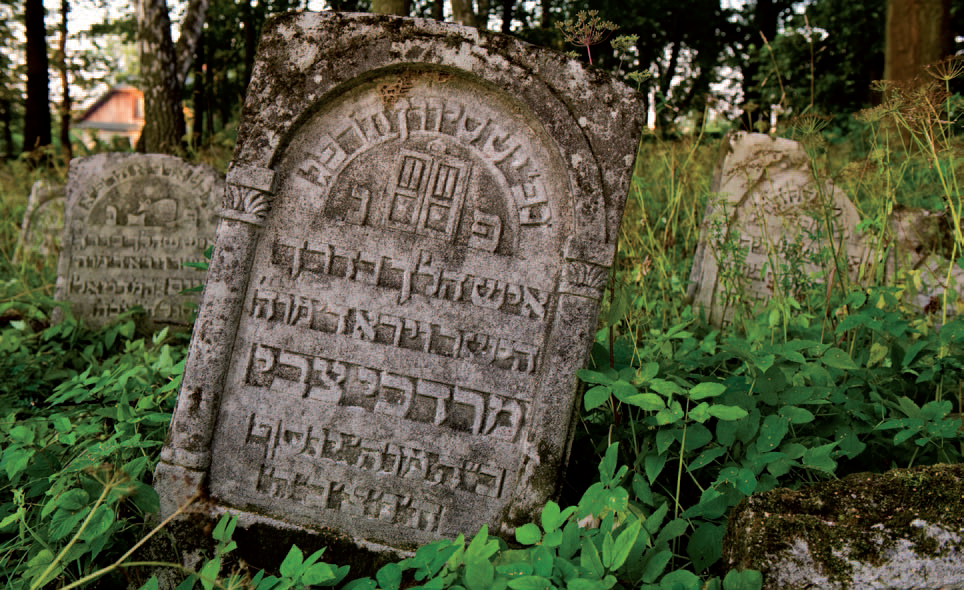
To honor a woman’s dying wish, the Dutch Jewish community arranged for her body to be buried in a cemetery that had not been used in nearly a century.
The funeral of Juliana Slaat-Luycx, who was born in 1941, was the first burial since 1920 at the Jewish cemetery of Den Ham 80 miles east of Amsterdam, the Dutch Jewish Community, known locally as NIK, said in a report it published Tuesday about the unusual event.
Because the cemetery had been unused for 96 years, the Jewish community and the office of Dutch Chief Rabbi Binyomin Jacobs had to obtain various permissions from local authorities to bury her there, NIK wrote.
Juliana Beatrix Irene Slaat-Luycx – whom her parents named for Dutch royals as a gesture of defiance against the German Nazi occupation of the kingdom for five years until 1945 – asked as her dying wish that she be buried in Den Ham, where she had lived for many years. She specifically asked not to be buried in Germany, where she moved in the years leading up to her death.
“It took effort from a lot of people but it is a beautiful thing that she can be laid to rest her and I hope she finds peace,“ Slaat-Luycx’s daughter said.
Three quarters of the Netherlands’ Jewish community of 140,000 were murdered in the Holocaust – the highest death rate in Nazi-occupied Western Europe. As a result, many far-flung Dutch Jewish communities disappeared, leaving their cemeteries and other communal property unused.
Den Ham had a Jewish population as early as 1750, according to NIK. The cemetery where Slaat-Luycx was buried was established in 1854. The person buried before her at the cemetery was Heyman Wolff, who died at the age of 26 from a disease, possibly tuberculosis.
His father, Jacob Wolff, was a butcher and caretaker of the cemetery.
Jacon Wolff had reserved a burial place for himself, two of Heyman Wolff’s uncles, an aunt and two cousins but their graves all remained empty as they were deported in 1943 to the Nazi death camp of Sobibor in Poland, where they were murdered and disposed of.
Separately, NIK on Wednesday announced the successful conclusion of a three-year effort to restore thousands of headstones at the once-neglected Jewish cemetery of Oisterwijk 60 miles south of Amsterdam thanks to the raising of some $300,000 in donations and subsidies by a local nonprofit. Jacobs, the Dutch chief rabbi, is scheduled to inaugurate the restored cemetery on Sept. 11, the Dutch Monuments Day.









The Times of Israel Community.