

In substance-free election, PM’s spending looms large
When candidates and the media focus on insubstantial issues, the real matters at hand are swept aside
 Add ToI as a Preferred Source on Google
Haviv Rettig Gur is The Times of Israel's senior analyst.

If he had made peace with the Palestinians, the centrist Yedioth Ahronoth daily would not have devoted its entire front page Wednesday to Prime Minister Benjamin Netanyahu’s excessively luxurious spending. The leftist Haaretz would not have run the unabashedly tendentious headline, “Netanyahu’s response to the comptroller’s report is an embarrassing, sickening show of passing the buck.”
The complaint against Netanyahu resonates in Israeli politics because of a cultural expectation set by past generations. The leaders of left and right in the first decades after Israel’s founding, David Ben Gurion and Menachem Begin, lived modestly. After his premiership, Begin retired to a humble southern Jerusalem apartment. Ben Gurion’s last residence, visited by thousands of high schoolers, hikers and soldiers each year, is a dusty shack in the tiny desert village of Sde Boker south of Beersheba. The sign pointing to it on the nearby Route 40 actually reads “Ben Gurion’s Shack.”
They were not leaders who might be caught charging thousands of shekels a month for gourmet ice cream to the Israeli taxpayer.
At the same time, the political crisis brought on by the publication Monday of a scathing State Comptroller’s expenditures report on Netanyahu’s expensive tastes in ice cream and sushi — and, at the margins, a handful of financial management issues at the Prime Minister’s Residence not actually connected to the PM personally — is not likely to do the prime minister too much damage.
Such news does nothing to endear him to the electorate, to be sure, but Netanyahu was not personally liked by the Israeli public in the first place. And for most Israelis, his habits are indicative of the declining personal ethics of the country’s ruling class as a whole.
It is telling that the most public and biting criticism from Likud’s chief opposition in this election, the center-left Zionist Union, was put out Tuesday by Labor Party faction chair Eitan Cabel, not by the party’s leader Isaac Herzog.
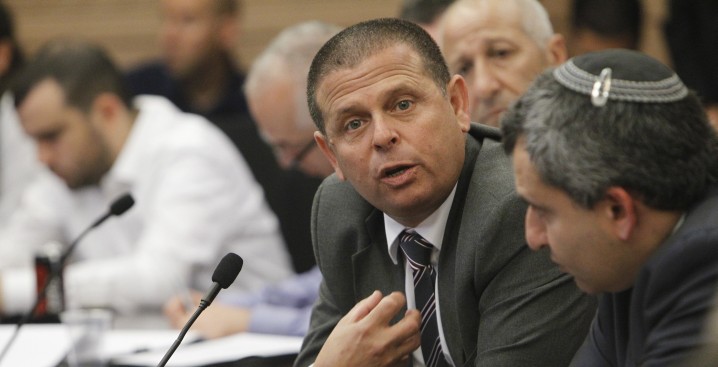
The reason is obvious. Herzog, grandson of a chief rabbi and son of a president, is, like Netanyahu, a wealthy man. Herzog’s own anemic statement Tuesday night — “I have faith in the law enforcement authorities to handle this” — was delivered before a group of wealthy businesspeople at a gathering of donors to Tel Aviv University.
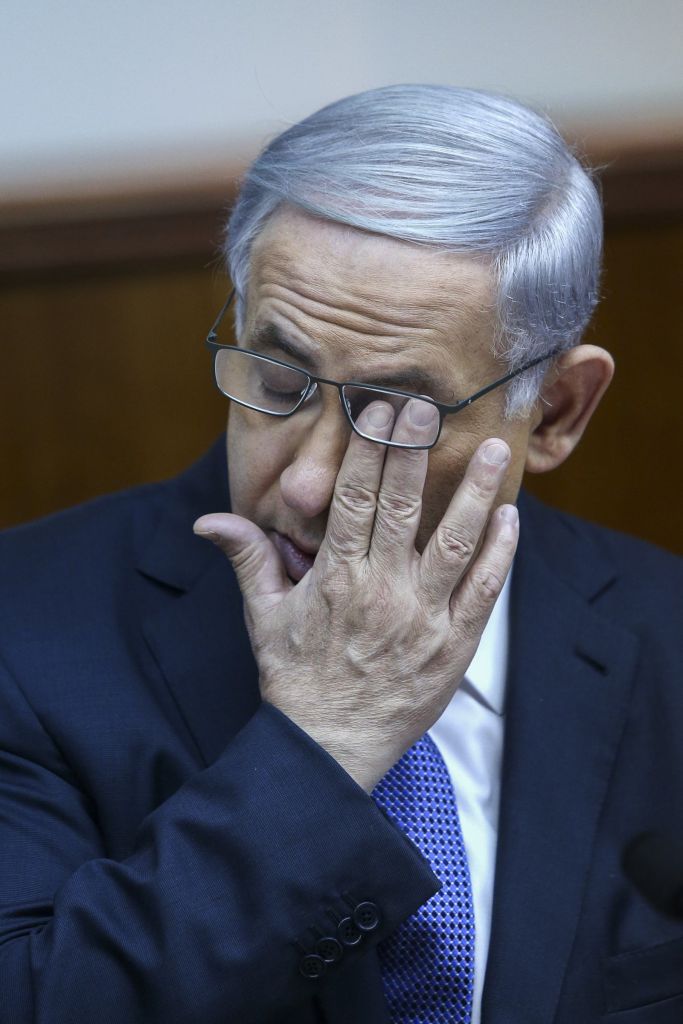
The heads of the two next highest polling parties, Jewish Home’s Naftali Bennett and Yesh Atid’s Yair Lapid, are also self-made millionaires, the former in high-tech, the latter as an author and television news anchor.
In an election race between millionaires, with a total Prime Minister’s Residence expenditure in the worst-offending year, 2011, of under $800,000, the horror in the media over the prime minister’s hedonistic predilections is largely hyperbolic, driven by the political expediency of the looming March 17 election, not by any objective concern over expenditures or the declining mores of Israel’s politicians.
If he wins the premiership and subsequently brings peace with the Palestinians, will the left-wing media concern itself with Herzog’s ice cream and sushi expenditures? And if a voter believes he is the best candidate to bring about the dismantling of the Iranian nuclear program, will Netanyahu’s spending on a private pool at his Caesarea mansion be a reason to vote for a candidate less able to deliver the country from that threat?
Indeed, in an election almost entirely lacking in substance (neither Likud nor the Zionist Union has agreed to publish a platform on defense and diplomatic issues), it is fair to wonder if the obsessive focus of both left and right on such trivialities isn’t the cleverest of campaign manipulations in the race. As long as attention is focused on ice cream and sushi, neither side has to fend off substantive criticism over more serious questions.
In the political center, in Yesh Atid, Kulanu and even Shas, one finds detailed, substantive proposals and promises on a range of issues, from Shas’s “rich tax” to Yesh Atid’s welfare reforms to Kulanu’s promise to break up monopolies and streamline the national land registrar.
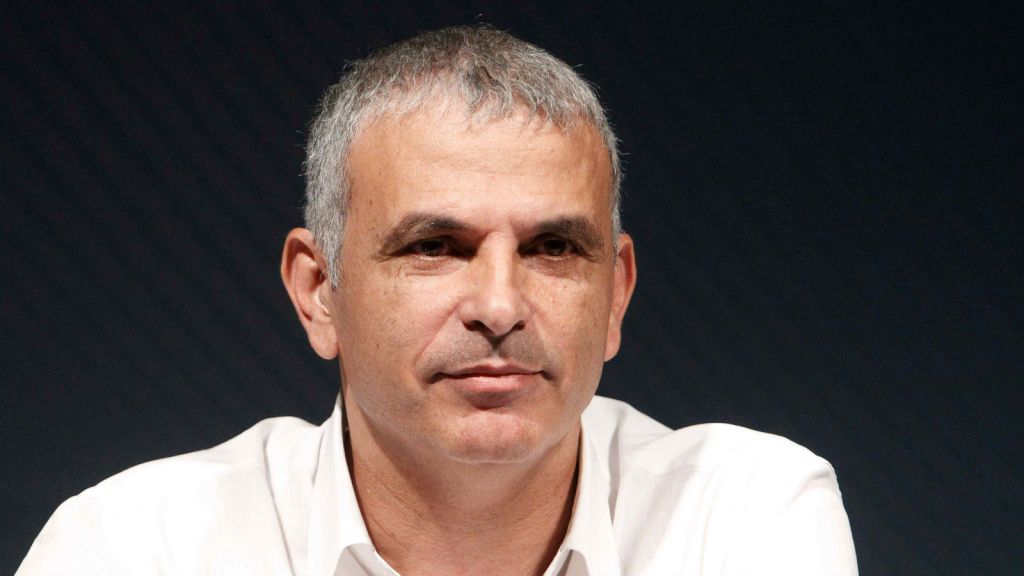
Following the publication of the comptroller report, it was from this center that this complaint could be heard most clearly.
As Kulanu leader Moshe Kahlon, a former cabinet minister who grew up in poverty, put it Wednesday, “the report that worries me more is the one about the 16 percent rise in housing costs [in 2014].… The comptroller’s report serves those who don’t want to talk about the real problems.”








The Times of Israel Community.