

A defiant Yair Golan says he can lead the left out of oblivion by redrawing the map
Uniting Labor and Meretz, The Democrats head claims he can attract voters without pandering; argues that ideology is less important than bread-and-butter issues like affordability
 Add ToI as a Preferred Source on Google
Ariela Karmel is a political correspondent at The Times of Israel. She previously reported for Calcalist and Haaretz. She holds an MA in Middle Eastern and African History from Tel Aviv University and a BA in Political Science from the University of British Columbia.

The ghosts of David Ben-Gurion and Yitzhak Rabin linger near Yair Golan. Hanging high on an otherwise starkly white wall, their portraits peer down at a political headquarters where quiet and calm now reign in place of the vibrant chaos of the powerful political machine that ruled Israel in decades past.
Golan, a former general who has become the unlikely leader of Israel’s peace camp, sits behind a sleek desk bathed in a bright, white light that gives the former Labor Party headquarters an almost clinical feel.
Today, the Tel Aviv office is home to The Democrats, the party formed by Labor’s reluctant merger with Meretz, which sits somewhat further to the left on the political spectrum than Labor.
Once the party that defined Israeli politics — producing every prime minister in the country’s first three decades — Labor was essentially forced to throw in its lot with Meretz recently, after years of dramatic decline that saw much of its support shift to centrist upstarts like Yesh Atid, and the country’s body politic lean more heavily to the right. In the most recent elections, Labor barely crossed the Knesset threshold, while Meretz failed to enter altogether.
Had the two parties merged, critics said at the time, the current government might never have been able to take power in late 2022.
The answer to that criticism was the creation of The Democrats last year, helmed by Golan, a former Meretz Knesset member with a history of outspoken criticism that has tested the boundaries of accepted discourse and drawn raucous protests.
Speaking to The Times of Israel in a wide-ranging interview this month, the left-wing leader obstinately proclaimed that he had no intention of curbing or changing his candid approach.
“Ministers in Israel’s government calling to destroy what’s left of Gaza, to bomb and starve, are the problem — not me, who talks about what they say,” he insisted.
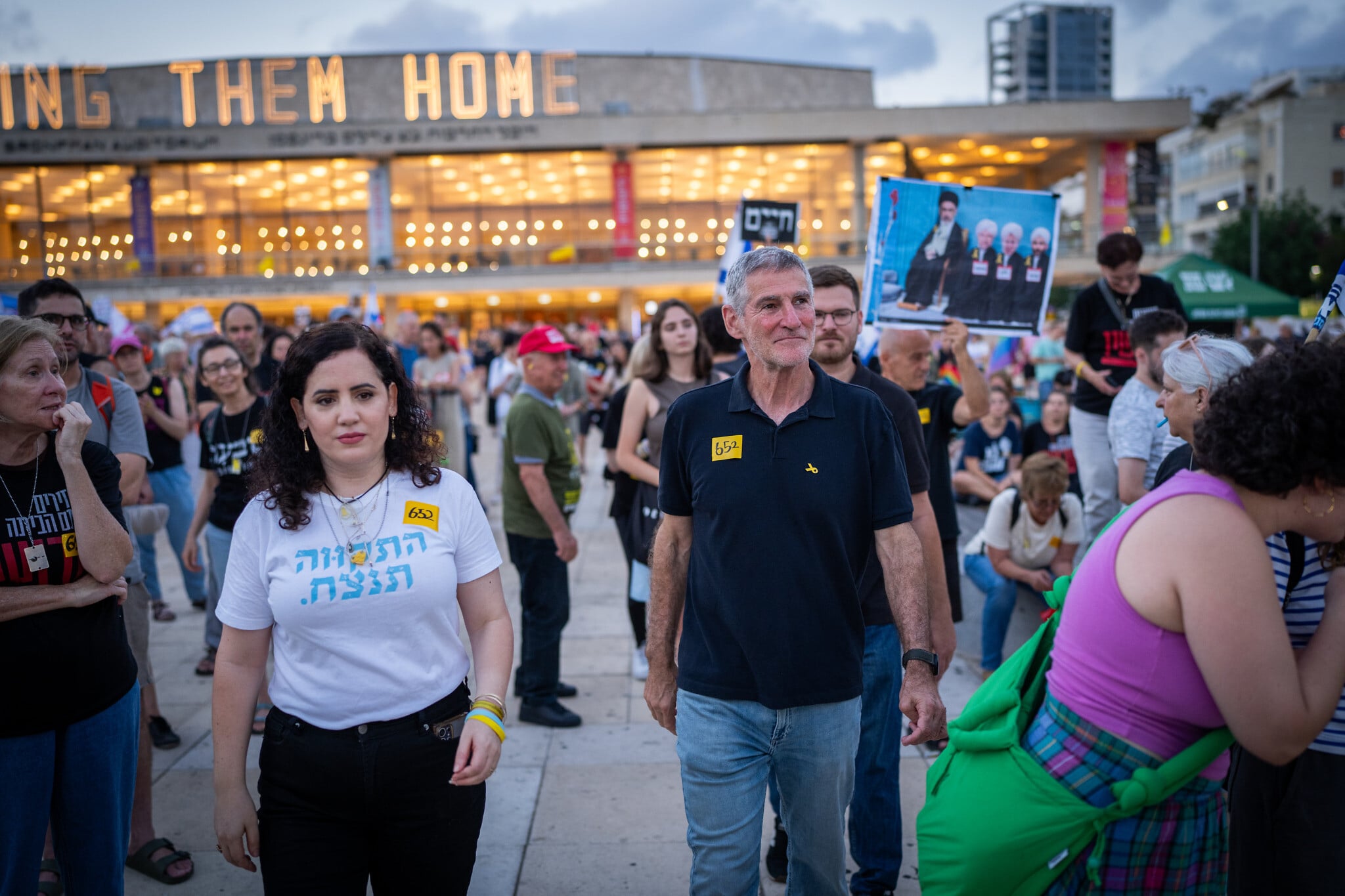
He has been a vociferous critic of the government’s response to Hamas’s October 7, 2023 attack, Israel’s conduct in Gaza, and the planned judicial overhaul, and is a regular at anti-government protests.
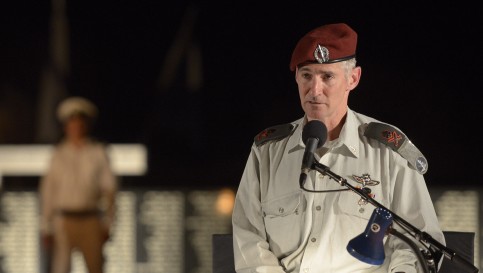
A former deputy chief of staff in the IDF, the 61-year-old Golan’s military career and his widely acknowledged heroism on October 7 — when he drove repeatedly into areas where terrorists had infiltrated to rescue those fleeing the carnage — adds complexity to the image his opponents on the right try to present of him as an enemy of the state.
But he can be a polarizing figure. At a Holocaust Remembrance Day event in 2016, while serving as IDF deputy chief of staff, he likened trends in Israeli society vis-a-vis Palestinians to Nazi Germany. The comments, which ignited a firestorm, cost him a promotion to the army’s top post, he believes.
He sparked outrage again this May for saying that “a sane country does not fight against civilians, does not kill babies as a hobby,” referring to the war in Gaza. He later insisted that he was referring to the government and not the military.
Golan argues that the public is not as right-wing as pundits suggest, and that the government’s failures — and the threats they pose — have, if anything, reinvigorated voters.

The party’s MKs — Gilad Kariv, Naama Lazimi, Efrat Rayten, and Merav Michaeli — appear to be presenting a united front, aligned closely with their new leader’s vision for the party despite differences that previously kept the factions from merging.
After campaigning for the party leadership on the promise that he would unite Labor and Meretz into a coherent political vision, Golan has spent the last year reinventing The Democrats for an electorate that largely views it as an outdated relic of another era. An ardent critic of the government, the politician has responded by redefining the political map and positioning the party as a gatekeeper of Israeli liberalism and besieged democratic values.
“Sticking to the old left–right–center paradigm is wrong. It locks us into outdated concepts and prevents thinking about a better future,” he said. “The real story today in Israel is the corrupt and authoritarian camp versus the liberal-democratic camp.”
Polls suggest The Democrats would get enough votes for nine to 10 Knesset seats if elections were held today, improving on Labor’s current four seats, but fewer than the 13 seats the two parties garnered with separate runs in 2021.
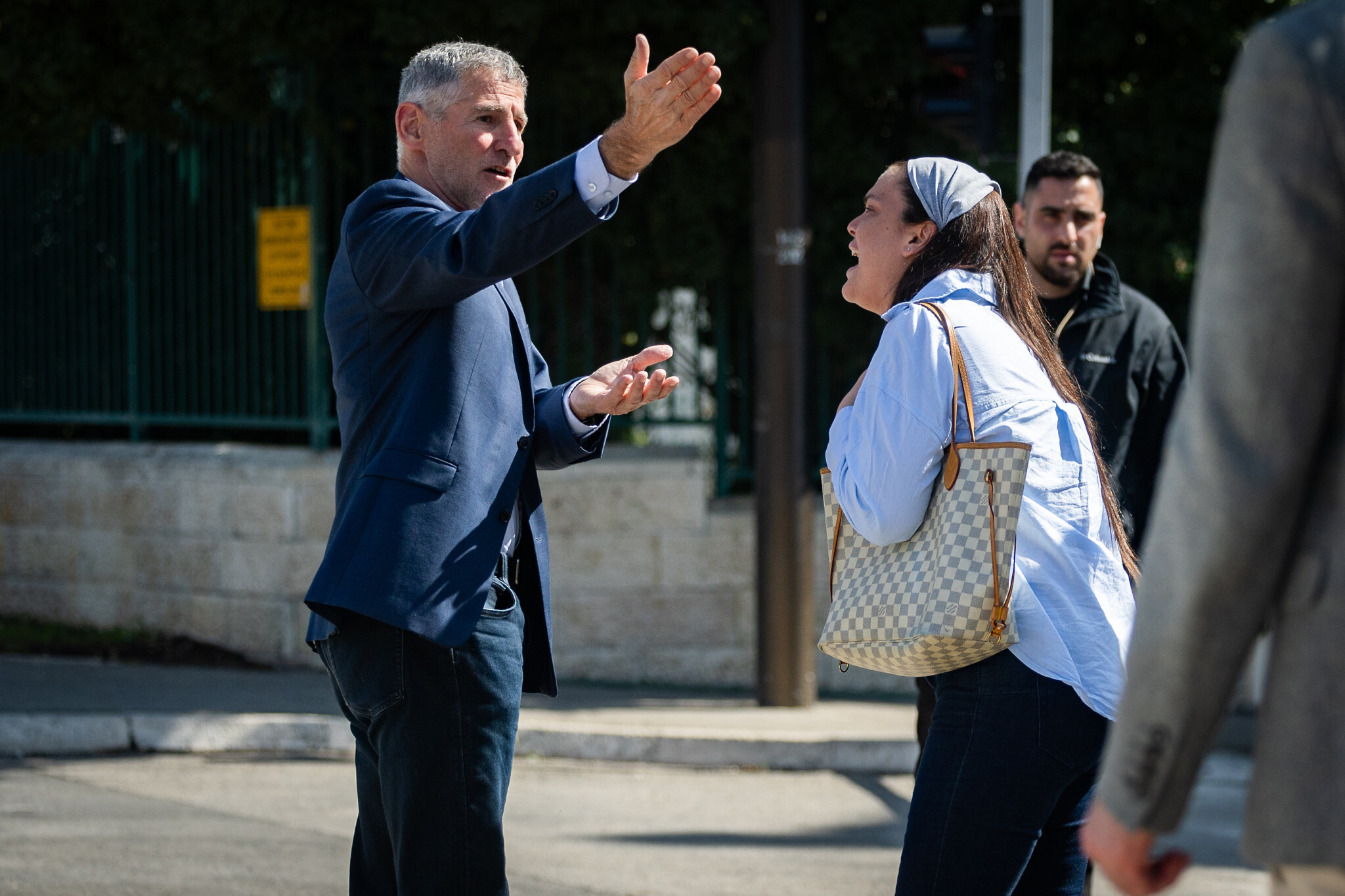
Golan, in the interview, ruled out joining a government with Prime Minister Benjamin Netanyahu or far-right figures such as Itamar Ben Gvir and Bezalel Smotrich, but he said he would consider working with Haredi parties if circumstances required it.
“In principle, I could join a government with them if forced to politically, but what’s good for Israel is a coalition from Bennett to Ra’am’s Mansour Abbas, led from within by the liberal-democratic camp — not the right,” he said.
In 2021, he and Meretz were part of a wide-ranging coalition that joined politicians from across the political spectrum, including the Arab Islamist party Ra’am. The right-wing Naftali Bennett, who served as prime minister for much of its short time in power, is predicted to be a strong contender to push Netanyahu from power again when voters go back to the polls in October.
Golan insisted that the Democrats’ campaign is focused on bread-and-butter issues such as the cost of living, housing, and early childhood education, aiming to address the daily concerns of ordinary Israelis rather than getting mired in ideological battles.

“Identity politics killed us. I think the main lesson from [New York City Mayor-elect Zohran] Mamdani’s win isn’t whether he’s good for Israel or the Jews or not, but that the public is hungry for leaders who deal with life itself and meet ordinary citizens where they are,” he said.
Still, he made clear that the overarching battle for him and his party is ideological — the fight for Israeli democracy.
Golan spoke to The Times of Israel on November 20 about his party’s vision, the Israeli left, uniting the opposition, and a future government. The transcript has been edited for clarity.
In the last elections, Labor made it into the Knesset by the skin of its teeth, and Meretz didn’t get in at all. So, is there a left in Israel at all? And how are you different from what was before?
I think sticking to the old left–right–center paradigm is wrong. It locks us into outdated concepts and prevents thinking about a better future. The real story today in Israel is the corrupt and authoritarian camp versus the liberal-democratic camp. The liberal-democratic camp must defend Israel as we want it to be, against a corrupt camp with fascist tendencies and extreme nationalism.
That’s the real story. Unfortunately, some in my camp don’t yet understand this.
In the opposition?
Yes. The paradigm must change. Instead of locating where the public already is and trying to please it, leadership should be about what’s right for Israel and how to bring the public there.
That doesn’t sound very democratic.
Harry Truman said leadership is the ability to convince people to go in a direction they don’t want to go, but in their hearts know they must. That’s what real leadership is. The alternatives before the public aren’t absolute good vs. absolute evil; often it’s between a very bad option and a less bad option — or a good option with drawbacks.

Instead, our camp has lowered itself for years, surrendering to right-wing narratives like the left is “weak” or can’t wage wars. The left won Israel’s most important wars and delivered its greatest military achievements.
It’s absurd that the right calls itself the “national camp.” How can they be nationalists when half of their faction doesn’t serve in the military? We are the national camp. So I say to Lapid, Gantz, Eisenkot — let’s build a large, strong liberal-democratic camp that provides a governing alternative.
Instead, they say the public has gone right, so only Naftali Bennett can bring change. Netanyahu vs. Bennett is right vs. right. Bennett brought [the Kohelet Forum] into our lives, attacked the Supreme Court, and injected religious content into education. What are we talking about? Are you crazy?
You don’t agree that the public has moved to the right?
I completely disagree. It’s a meaningless claim. Look at the characteristics of the “left” versus the “right”: most of the public understands military achievements must be anchored in political agreements — traditionally a left-wing view, versus the right-wing mantra of force, force, and more force.
In terms of the economy, most want a welfare state, not American-style neoliberal capitalism. Most want individual freedoms, not a halachic state. Most want greater Haredi integration, not continued isolation and autonomy.
Would you agree to sit in a government with Bennett?
Yes. I’m a realistic politician.
How would you get along with him and other right-wing politicians like Yisrael Beytenu’s Avigdor Liberman?
I know how to work with anyone who is honest and supports Israel as a democratic, liberal, and free state. I’ve already served with them: I was deputy economy minister in Bennett’s government, and worked with both him and Liberman, who was finance minister.
We all understand we need each other. We don’t want any of the current coalition parties. They’re destructive: a corrupt Likud, the extreme nationalists Ben Gvir and Smotrich, and the Haredim who are destroying the state.
So you wouldn’t sit with anyone from the coalition?
Not with Ben Gvir, Smotrich, or Netanyahu.
But you would sit with the Haredim?
The Haredim will accept anything as long as they get their pound of flesh. In principle, I could join a government with them if forced to politically, but what’s good for Israel is a coalition from Bennett to Ra’am’s Mansour Abbas, led by the liberal-democratic camp — not the right.
What about the Arab parties?
Anyone who accepts the founding principle that Israel is the national home of the Jewish people — a free, equal, and democratic state — can be an excellent partner. Those who don’t accept it — like Balad — are not partners. I won’t sit with Netanyahu, Ben Gvir, or Smotrich for the same reasons.
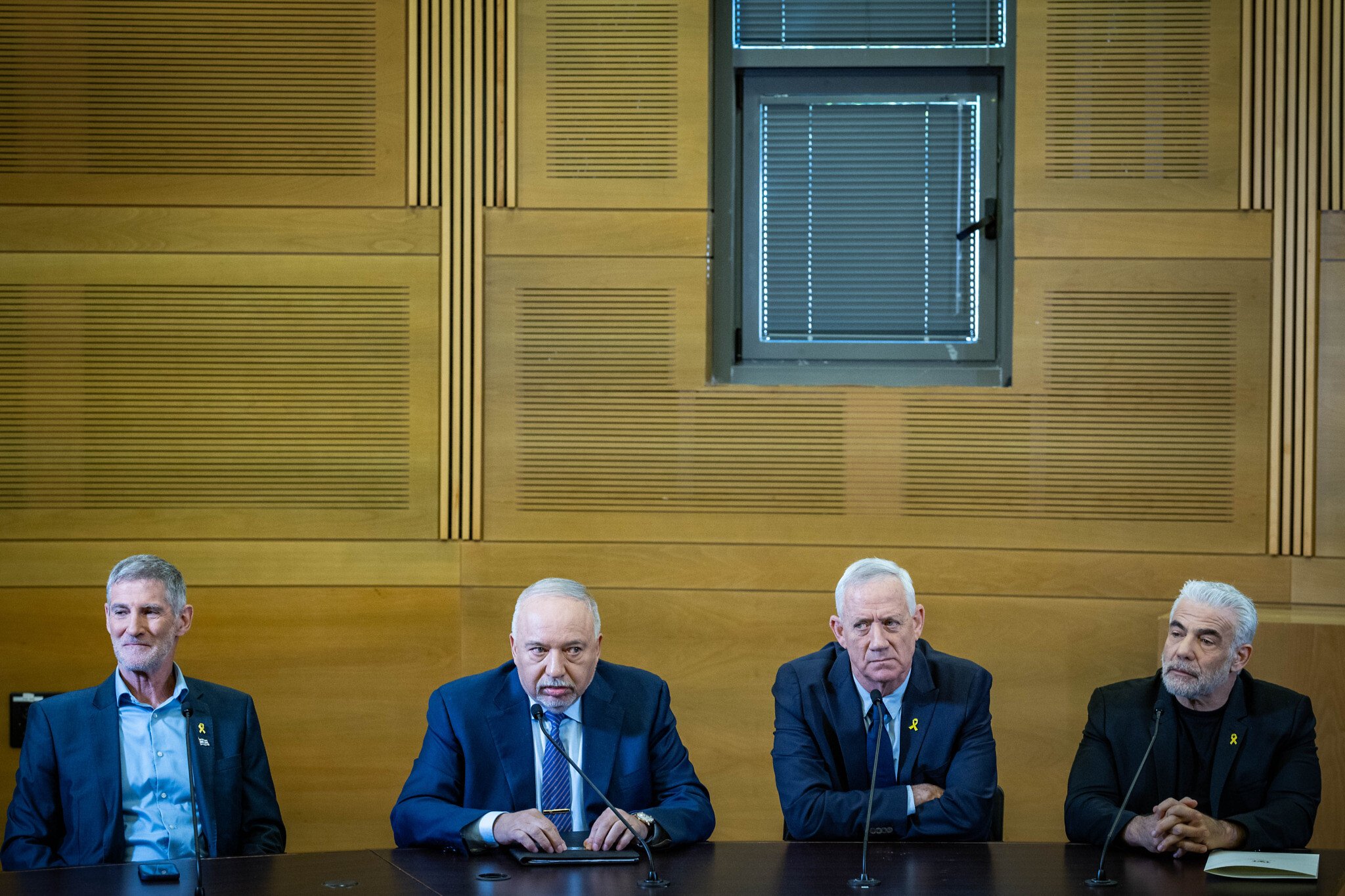
What kind of progress has there been among opposition parties in terms of unifying?
We’re having these conversations, which are good and ongoing — but there’s a long way to go.
This must happen. I’m trying to convince Lapid and Eisenkot. We have to do it.
Let’s discuss the economy and the cost of living. You’re one of the few parties with a formal economic platform. Will that be a significant part of your campaign?
Absolutely. Along with democracy and security, the cost of living is one of our most important issues.
First of all, housing prices are skyrocketing. The state controls them through land pricing. Why is land so expensive? To fund the ultra-Orthodox who don’t work, and settlements. If we cut these unnecessary expenditures, we could market land more cheaply without raising taxes.
Secondly, the prices of early childhood education are unimaginable. How can a family pay NIS 5,000 ($1,500) per child per month? With two kids, that’s NIS 10,000 just for daycare. If Israel stopped funding able-bodied adults to sit in a yeshiva, and invested in early childhood care instead, kindergartens would be affordable and young families wouldn’t collapse under the strain.

Many have argued that Zohran Mamdani’s recent victory in the New York mayoral election was evidence that the left wins when it focuses on the cost of living and affordability rather than ideology. Do you think that the Israeli left could learn this?
We have. We don’t deal with identity politics. Identity politics killed us. I think the main lesson from [Mamdani’s] win isn’t whether he’s good for Israel or the Jews or not, but that the public is hungry for leaders who deal with life itself and meet ordinary citizens where they are.
When I talk about the cost of living, security, and democracy — that’s life itself. The West Bank exploding means pouring the entire IDF into the area because of these lunatics who run around carrying out attacks. It hurts each and every one of us. A totalitarian drift will hurt everyone who wants a free state. And the cost of living, certainly, hits your pocket.
What do you think is the most important issue for the public right now?
To safeguard Israeli democracy. We need to regulate, limit, and decentralize power. How? Pass a constitution, limit a prime minister to two terms, and devolve power from Jerusalem to municipalities.
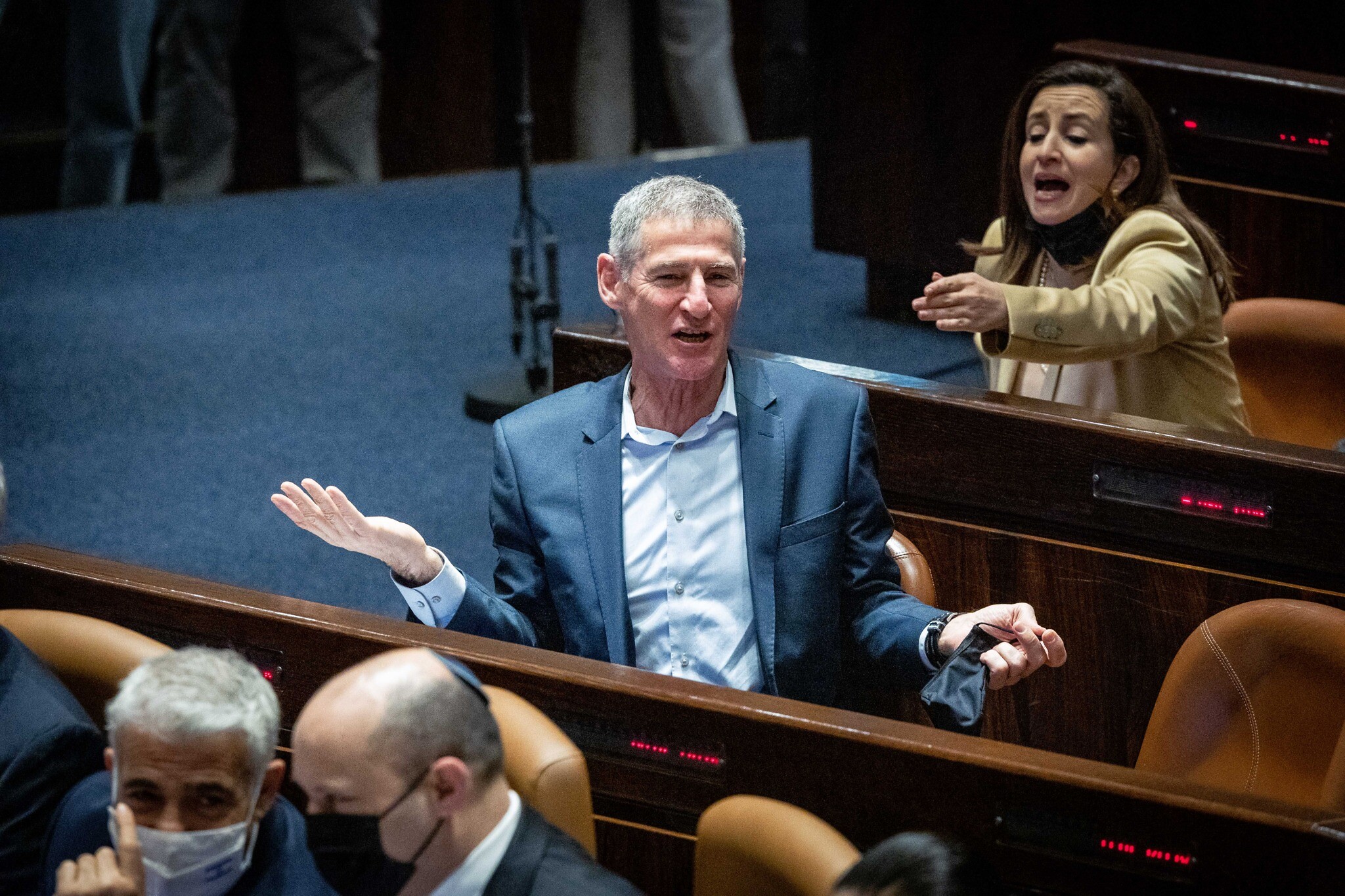
What about security?
This is the second main issue. We must anchor military achievements in political agreements that fortify long-term security. We’re failing at that now. Gaza is a mess: instead of bringing in actors who would lead construction like Saudi Arabia, UAE, Jordan and Egypt, we’re dealing with Turkey and Qatar because Netanyahu abdicated the field.
We must take the initiative against Iran. Strikes are fine, but what’s next? We need a new deal.
The West Bank is exploding in our faces. We need to restore law and order there, stop Jewish terror that inflames the situation, and provide a political horizon for Palestinians.
Israel has no policy in these places and others, like Lebanon, and everything we have achieved militarily is going down the drain. Instead of taking advantage of the opportunity to create an alliance of moderates — Egypt, Jordan, Iraq, Saudi Arabia, UAE, Morocco — we’re letting Turkey, Qatar, and Iran raise their heads, and giving Hamas space to reemerge because we haven’t built an alternative in Gaza.
What do you think of Trump’s plan for Gaza?
First, kudos to the Americans for having a plan. Israel should have presented one. The fact that there’s an American plan but no Israeli plan shows the Americans got fed up with us and decided that if we wouldn’t come up with a plan, then they would. It’s insane.
This is also a problem because ultimately, the Americans pursue American interests, which may not necessarily be in Israel’s interest. For example, the US views Qatar and Turkey as allies because they’re thinking about wider global relations like China, while we see them as aligned with Hamas and the Muslim Brotherhood. If Israel had been better involved in the process, we might have kept at least Qatar out.
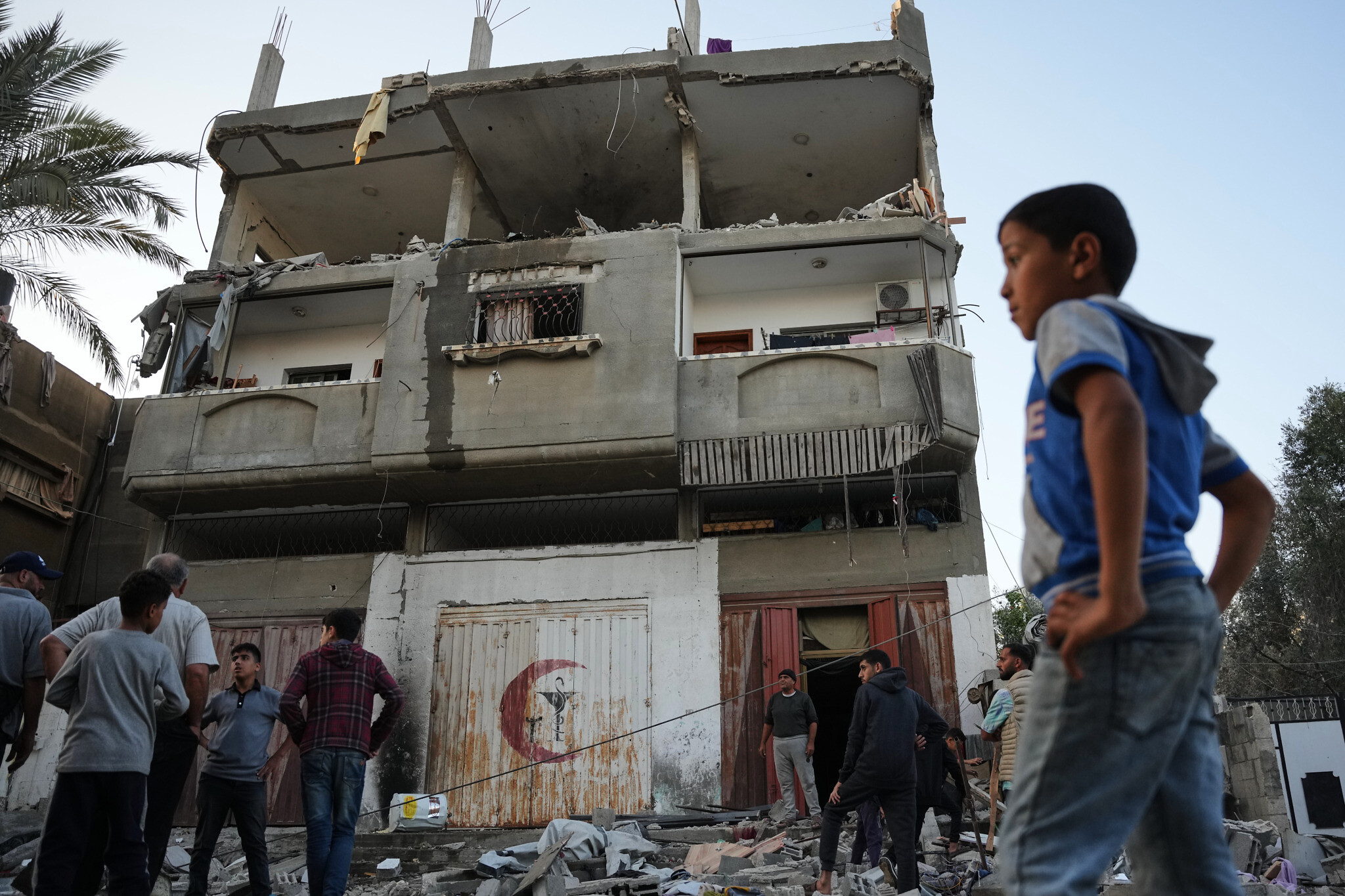
Another issue is that there’s no robust mechanism to supervise the Gaza–Egypt border. Hamas’s weapons didn’t come from the moon; they crossed the border, whether above ground or below, via drones, tunnels. We need trusted, neutral actors there who aren’t concerned with pleasing any particular party, whether Gaza, Egypt, or even us, only about stopping smuggling. An Egyptian policeman who might take a bribe isn’t enough.
You’re one of the only political leaders still talking about a two-state solution. How do you see a path to a Palestinian state now?
It’s too early to talk about a Palestinian state. Israel must first decide: annexation or separation. Annexing five million Palestinians would be a disaster. The right is pushing annexation; ironically, that’s the most extreme “left-wing” position in the world: absorbing millions of foreigners.
That’s why I think the concept of left versus right, as it is understood in the West, is irrelevant in Israel. I’m against annexing millions of Palestinians and in favor of separation and clarifying borders.
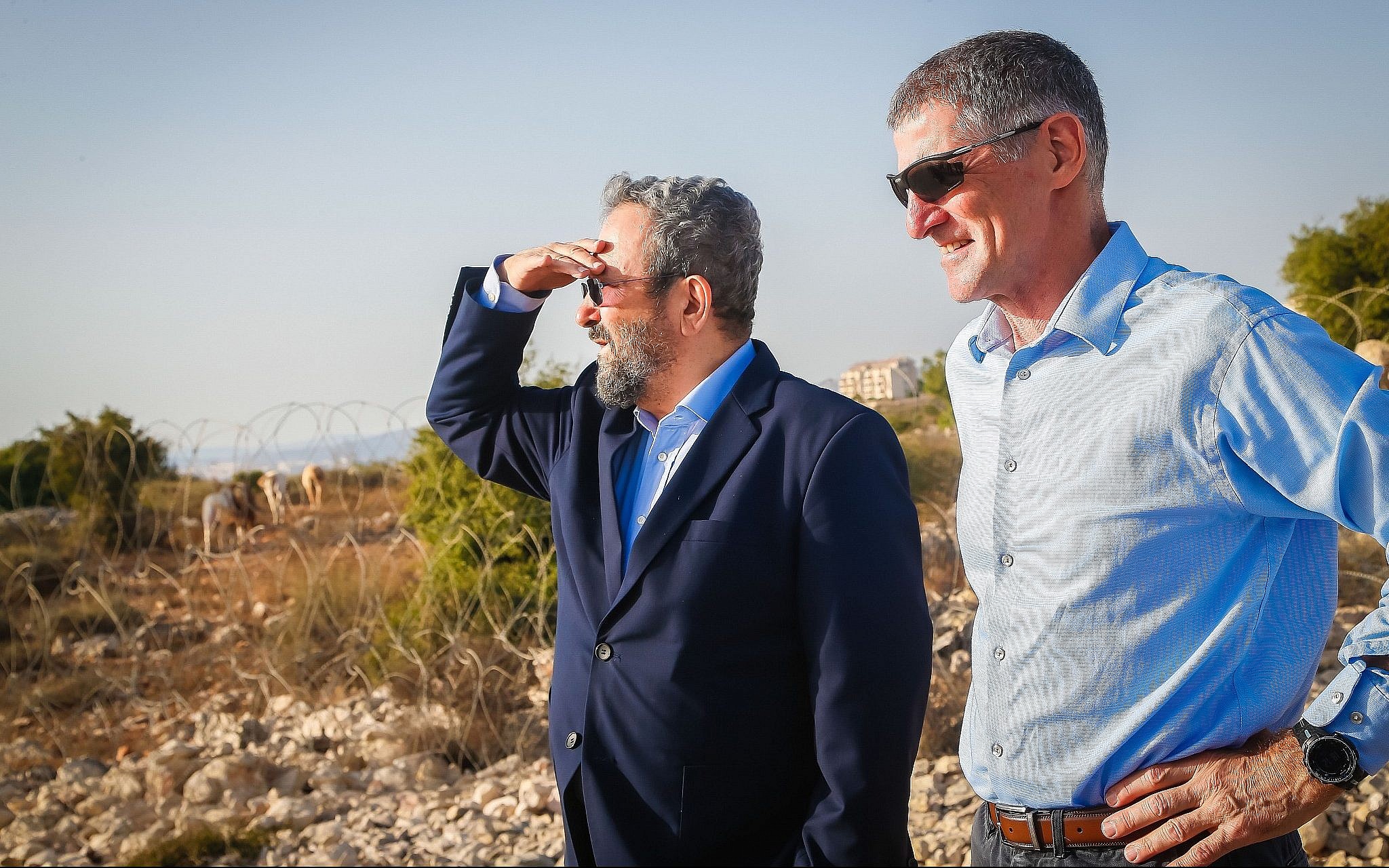
Will there be an independent Palestinian state tomorrow? Not likely, because there can only be one when we trust them. We won’t compromise on security. We’ll maintain freedom of action as long as terrorist organizations exist, but no annexation. Annexation would destroy Israel.
You’ve previously drawn criticism for comments you’ve made, most recently in May when you appeared to suggest that Israel killed babies in Gaza “as a hobby.” Do you think you need to change your style or risk alienating voters?
I won’t change my style. We face a “poison machine” that attacks us whenever we expose the truth. Ministers in Israel’s government calling to destroy what’s left of Gaza, to bomb and starve, are the problem, not me, who simply pointed out what they say.
Many young Americans, including Jews, feel less connected to Israel than previous generations. How would you address this?
The loss of Israel’s democratic and liberal identity is creating a terrible disconnect with young Jews globally. Anyone raised in democratic, liberal societies will not be able to identify with an Israel that abandons the rule of law, is an extreme nationalist state, or engages in apartheid. If we want Israel to remain the national home of the Jewish people, we must preserve its democratic and liberal identity.







The Times of Israel Community.