

A photographer’s view of Israel, from a sukkah
Artist Andy Alpern brings breathtaking vistas of Jerusalem, desert landscapes to the walls of your Sukkot holiday huts
 Add ToI as a Preferred Source on Google
Jessica Steinberg, The Times of Israel's culture and lifestyles editor, covers the Sabra scene from south to north and back to the center
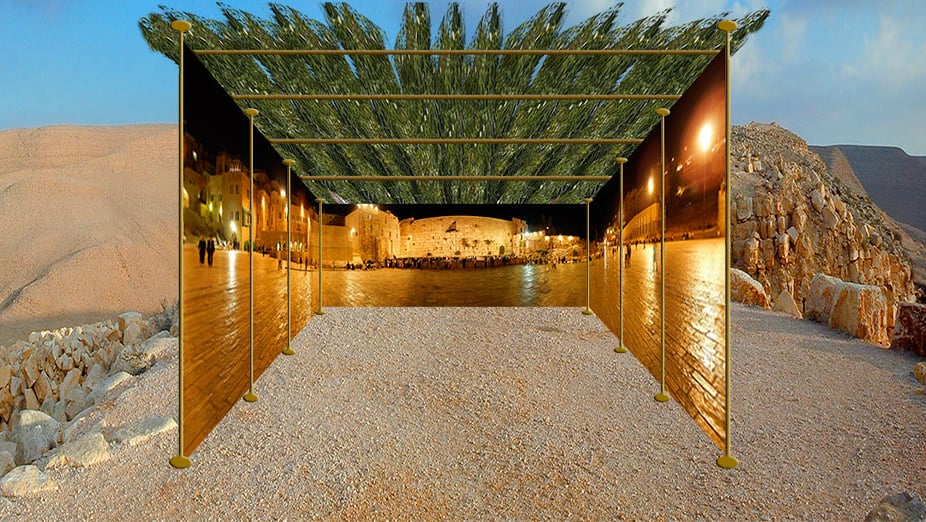
It was during a stroll several years ago in the mystical city of Safed during the Jewish holiday of Sukkot, while peering up at the white fabric booths perched on every balcony, that photographer Andy Alpern came up with his latest idea: The Panoramic Sukkah.
For years, Alpern had been selling his fine art prints with panoramic, 360-degree images of Israel. It occurred to him that they would work perfectly in a sukkah — the temporary structures used during the week-long festival.
“Fine art photography has always been my main focus,” said Alpern, a Safed resident from Chicago. “But this idea just occurred to me.”
It took him, however, nearly three years to find the right printer to handle transferring the images to fabric, rendering canvas walls that are weatherproof, easily used and stored, and allows the photos to remain crisp and clear. That search ended up in China.
“We found someone who met our quality standards of print resolution and weather resistance and price,” he said.
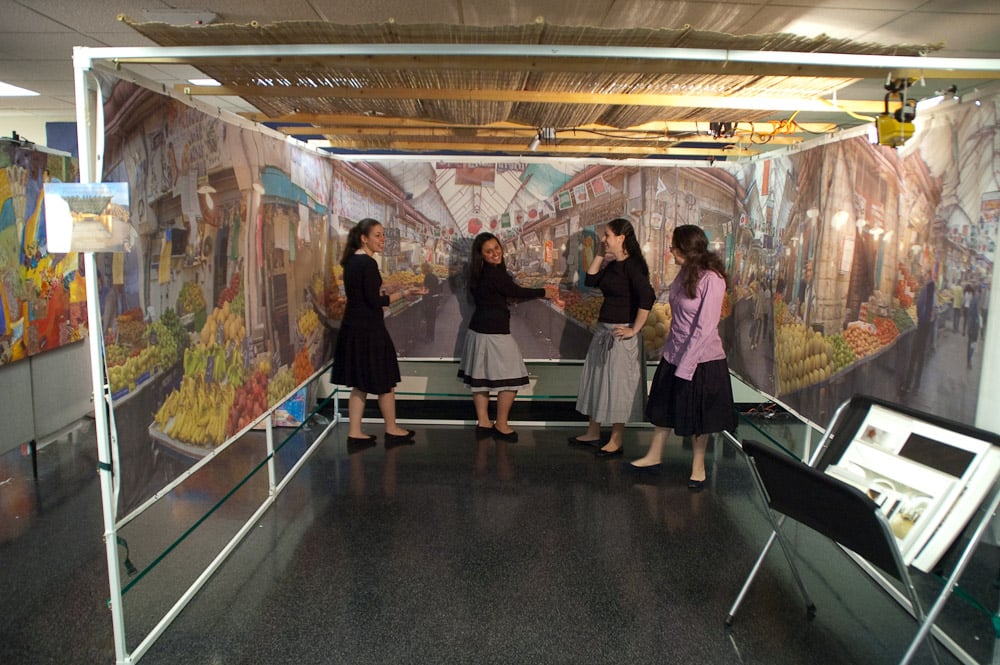
With five panoramas to choose from, most of Alpern’s clients have opted for his colorful Mahane Yehuda images, offering the sense of sitting among the market’s fruit and vegetable stalls. The Western Wall option follows as a close second. The other images are of the Banias waterfall in the north, Jerusalem’s Old City and the biblical Kadesh Barnea desert landscape.
“It’s like looking out at the desert,” said Alpern. “You feel like you can jump into it.”
The sukkah panels can easily be customized. One customer ordered Alpern’s panoramic images for 20 panels that were attached to the wooden walls of the sukkah, and a synagogue planned on attaching them to acrylic walls that would be illuminated in daylight.
Still, the impressive prints are not always an easy sell, said Alpern. He thinks it’s primarily because most people don’t think about Sukkot until Rosh Hashanah, the Jewish New Year. And by then it’s too late to order a Panoramic Sukkah.
To increase sales, Alpern started a crowdfunding campaign on Indiegogo this summer, but didn’t make enough headway.
“You can have the coolest product in the world, but if you don’t market it right, or have a stroke of luck, it’ll never get noticed,” he said.
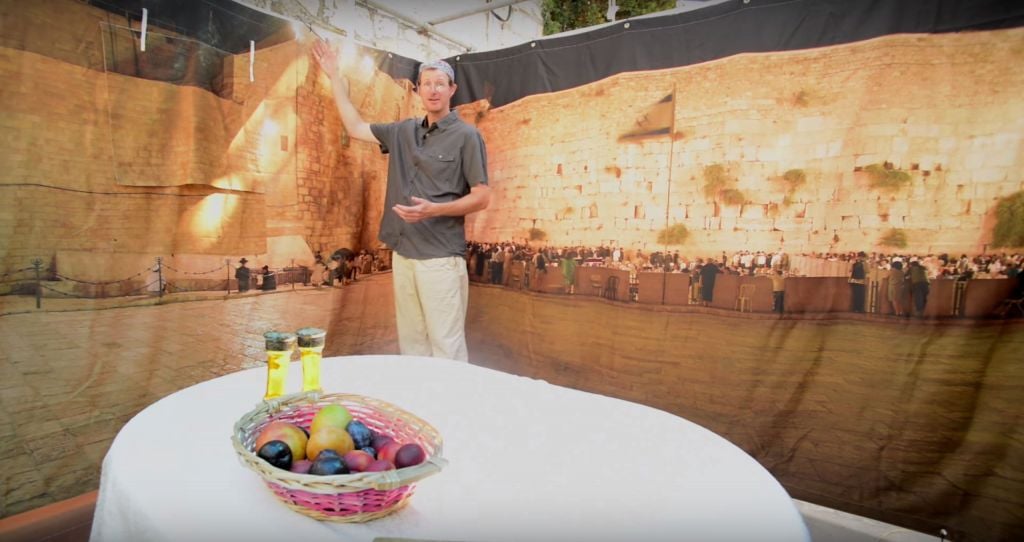
Alpern first delved into photography after moving to Israel in the late 1990s, when he was using a 35mm digital camera, one of the first of its kind. His cameras kept getting larger, and the panoramic photos, a relatively new technology at the time, became his specialty.
“I love taking an impossible view and making it possible,” he said, calling it a form of meditation when one is able to see both in front and in back of them at the same time.
‘I love taking an impossible view and making it possible’
Alpern first thought about doing panoramic, on-line virtual tours of Israel, and ended up installing one for the Taglit-Birthright program on the first version of their website. He moved from the virtual images into panoramic prints, often creating large ones as banners and posters used by various Jewish organizations.
When the idea for the panoramic sukkah first came up, Alpern looked for a way to print it inexpensively, given that initial costs were around $1,800 for an average-size structure.
Now he’s brought the cost down to $600, which is closer in price to the $400 to $500 for the sukkah fabric sold in the US. It’s far pricier than the simple, white fabric Israeli sukkah that usually costs between NIS 600 and NIS 800 ($155 to $200), but cheaper than what he started with.
And while Sukkot 2015 hasn’t yet begun, Alpern is already thinking about the future.
“You could always order it now for next year,” he said.
For more information on the Panoramic Sukkah, visit Andy Alpern’s website or arrange a visit in Safed.








The Times of Israel Community.